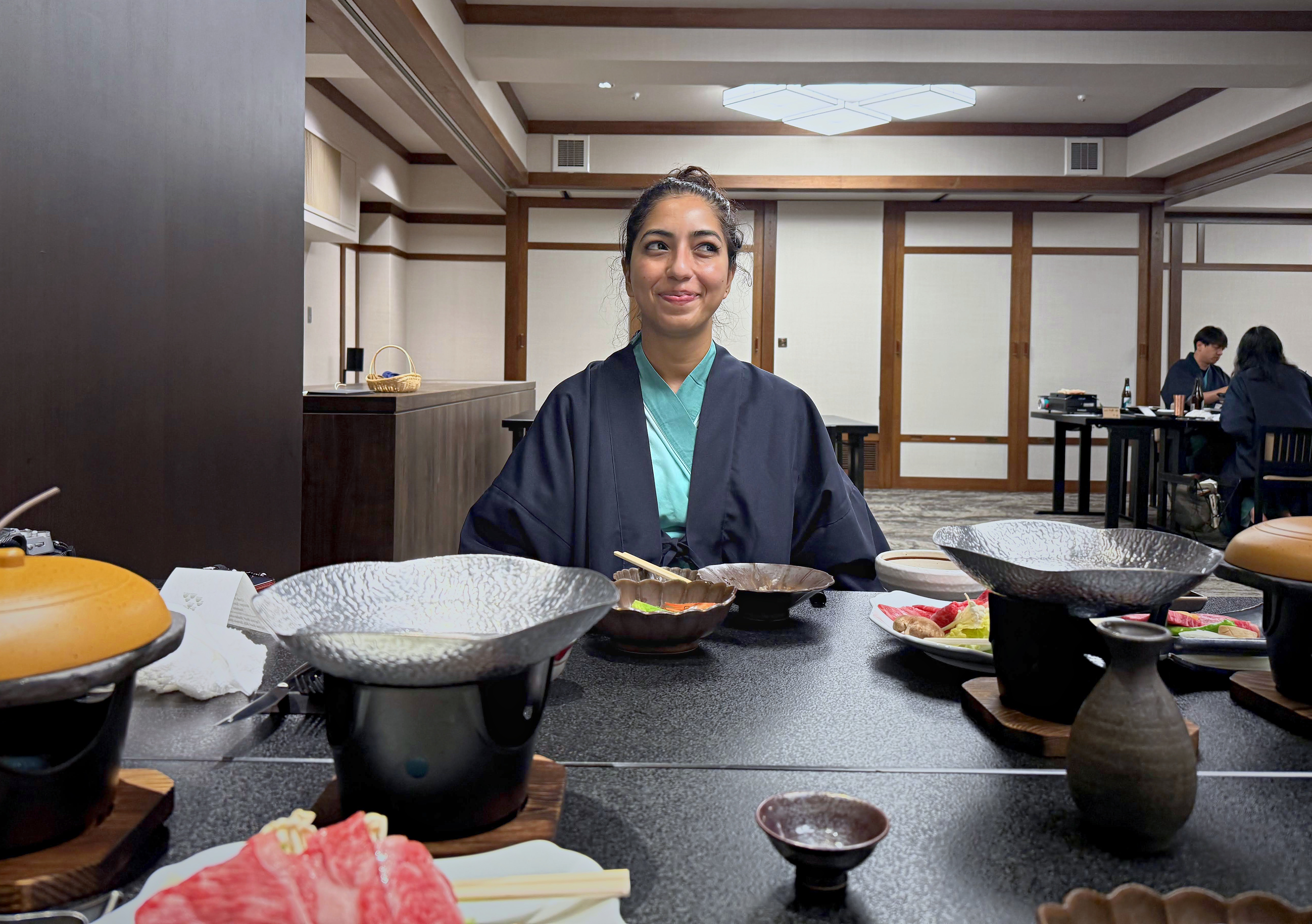
If I had to name the longest unbroken run of absolutely delightful eating in my life, it would be those three days in Kinosaki Onsen. (Jakarta excluded, because nothing is better than my Amma’s cooking).
Quick context for the greedy: First, Kinosaki has been in the hot spring business for about 1,300 years. Everyone comes for the sotoyu meguri, the circuit of seven public baths you hop between in a yukata and geta, which are the town’s formal wear. The whole culture of the place runs on that loop.
Soak, change, wander, eat, soak again.
Second, winter is crab season. The snow crab here is matsuba-gani, the San’in name for the male zuwai-gani. The season opens on 6 November and closes on 20 March, which is an oddly precise pair of dates to build an entire local economy around, and yet, here we are. The females get their own name, sekogani, their own much shorter window (November to the end of December), and their own devoted following.
Lastly, nearly everything below contains crab. I am not at all sorry.
So here is every bit of Kinosaki Onsen food I can still picture, ranked, from the ones I think about most often down to the ones I merely think about repeatedly.
1. Crab udon at the hole in the wall
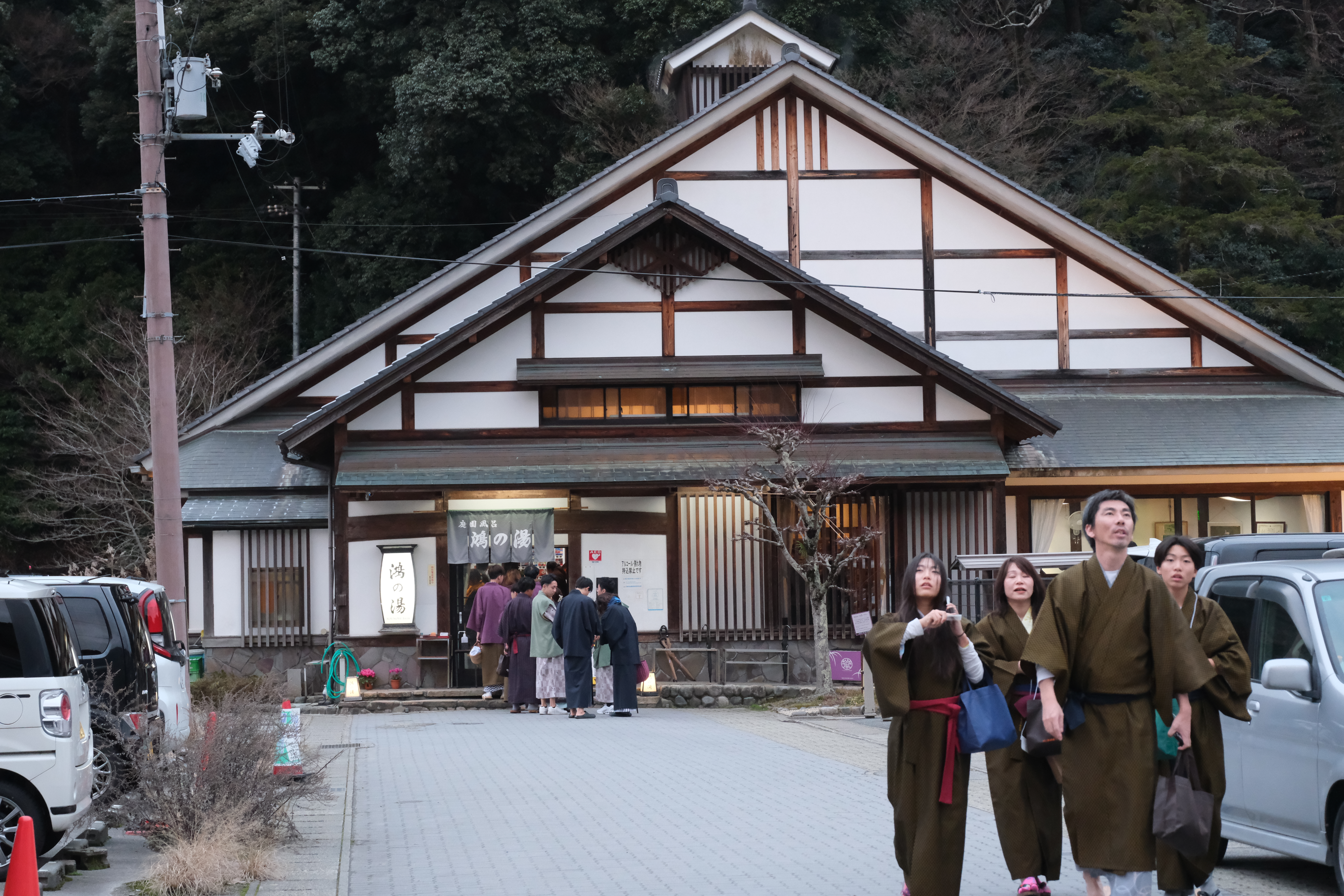
We found it because of the queue, a line of people outside a place we would otherwise have walked straight past. We tried our luck near closing time, and they let us in as the last patrons of the afternoon.
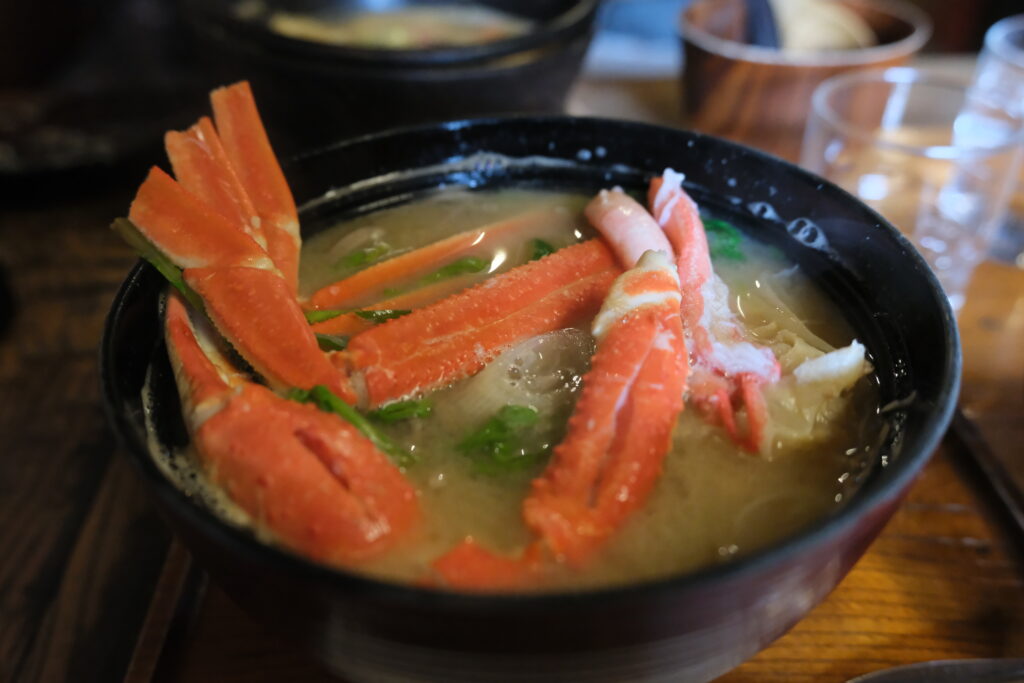
The Daikokuya menu was enormous. I had crab udon, 1,000 yen. Fafa went for kani zosui, crab rice porridge, 1,450 yen. Phenomenal, both of them.
2. Tajima beef kaiseki
First night of our ryokan stay.
Appetiser was crab miso tofu. Then, sashimi, three types of seasonal seafood. Tajima beef shabu-shabu. The 80g Tajima sirloin. Rice, soup, pickles, fruit.
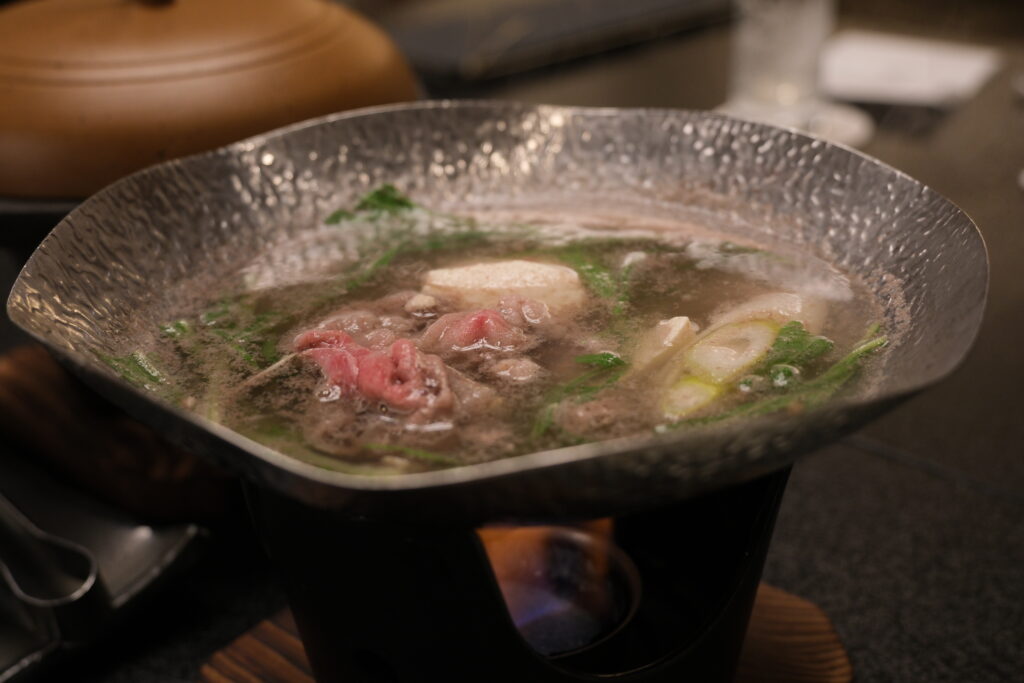
Also, for the record. I spent this entire trip convinced all sets served by our ryokan were supposed to be crab sets. They were not. Crab turned up here and there, in a tofu on this menu and in a dumpling at breakfast down the line here, but the sets themselves were beef and seafood. My brain filed all three days under crab regardless, which tells you something about my brain.
3. Kani onigiri
I tell Fafa I have a writing project about an onigiri trail through Japan. The truth is that, writing project or no writing project, there is not a single onigiri shop I do not want to stop at.
This one was pure serendipity. It was a shop selling snow crab, which had me entranced on its own merits, and then I clocked the little restaurant tucked inside with the laminated onigiri menu. That was that.
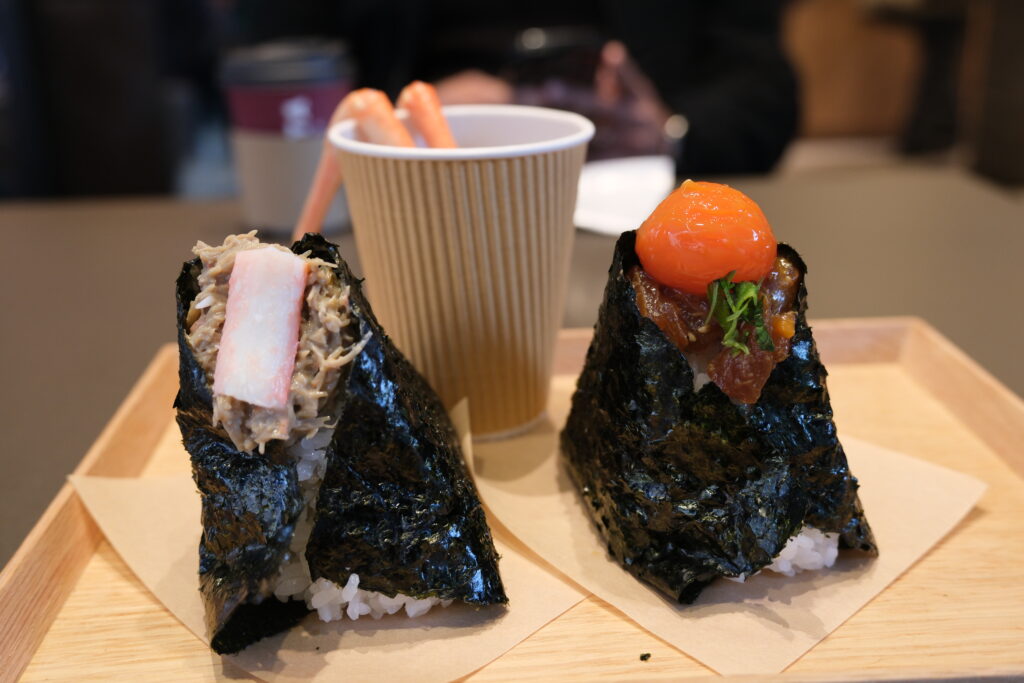
I was not even hungry. I was between meals and probably slightly tipsy (see number four), but I still was not going to let it slide. I told Fafa I would grab one to share. I came back with a kani onigiri (500 yen, delicious-o), an egg yolk onigiri (I have never seen anything as beautiful), and a miso soup with a single crab leg (exquisite).
Crab-induced happiness levels, through the roof.
4. Crab sake
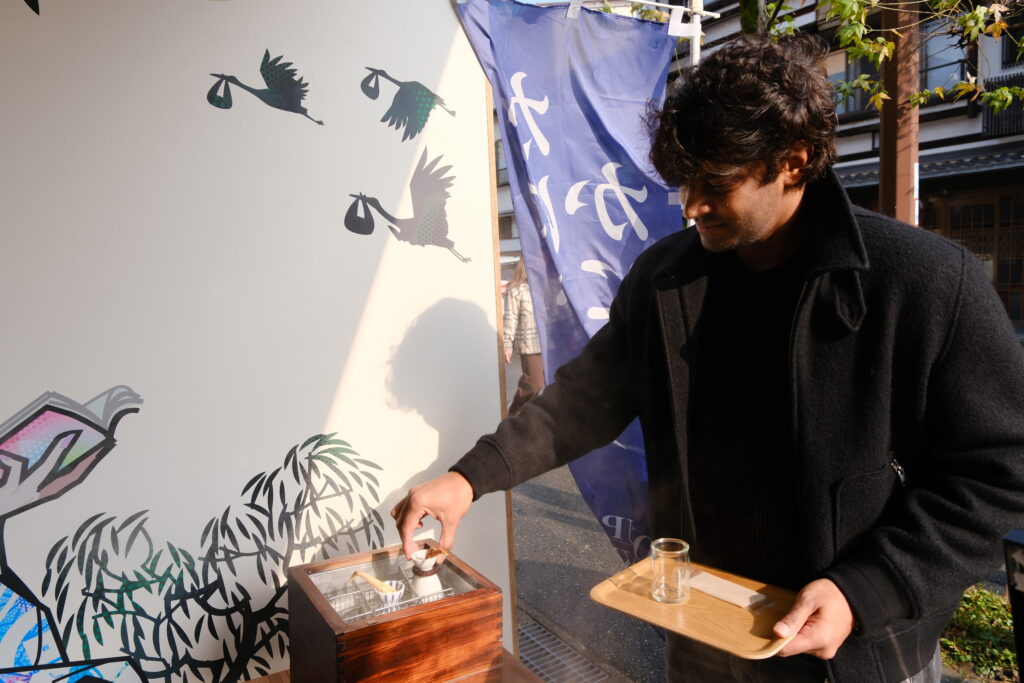
Yep yep, you heard that right. Somewhere in Kinosaki, someone has combined my two favourite things, alcohol and crab, and is selling the result on the street for 750 yen.
Fafa spotted it outside a random store. Warm sake, infused with a crab leg.
It belongs to a proper family of Japanese-infused sakes, a whole drinking culture built on putting things into hot alcohol. The full-dress version is kora-zake, where hot sake is poured into the roasted shell, with the kani miso still clinging to the sides. First cousin to hirezake, the one made with a grilled pufferfish fin.
Ours was the street version.
We paid for the bottle inside, took it outside to be warmed up (Fafa handled the warming), then went back in and drank it in the corner of what appeared to be a coffee shop crossed with a library.
It did the job.
5. Seafood kaiseki
Dinner at Shinzan arrived with its own printed card, which is always a good sign for an evening.
Appetiser. A three-item assortment. Sashimi, three types of seasonal seafood. Fish shabu-shabu. An 80g Tajima beef sirloin, dropped into the middle of a seafood menu like it was nothing. A steamed dish. Then rice, soup, pickles and fruit to finish.
Fafa encouraged me to eat it exactly as it was served, in the order it was intended, no shortcuts. I did. This is not the time to be indecisive.
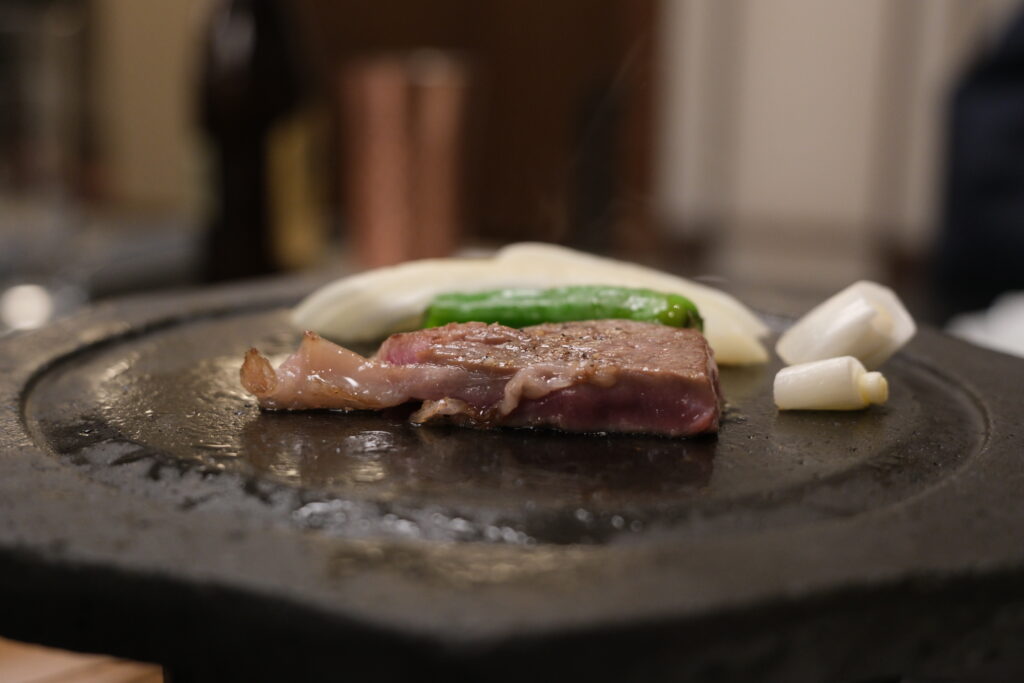
The fish shabu-shabu is the one I would order again and again. Thin slices of seasonal fish swirled through hot broth for about three seconds, which is roughly two seconds longer than my patience. And 80g of Tajima beef is not very much, but it still tastes delicious.
One thing worth knowing if you are booking. In crab season, most Kinosaki Onsen ryokan run a matsuba-gani set alongside the standard one, built around crab landed at Tsuiyama and Kasumi just up the coast. Tsuiyama even throws a festival for the fishermen when the season opens.
And guess who got the matsuba-gani set as an extra. I mean, while in Kinosaki, eh. It was, and let me say this one more time, phenomenal.
6. The Tajima beef bun
I clocked it on the first day, when we were too busy greedily ordering three onsen tamago to stop. I saved it for the last day, and I regret that, because it was so good I could have eaten several more.
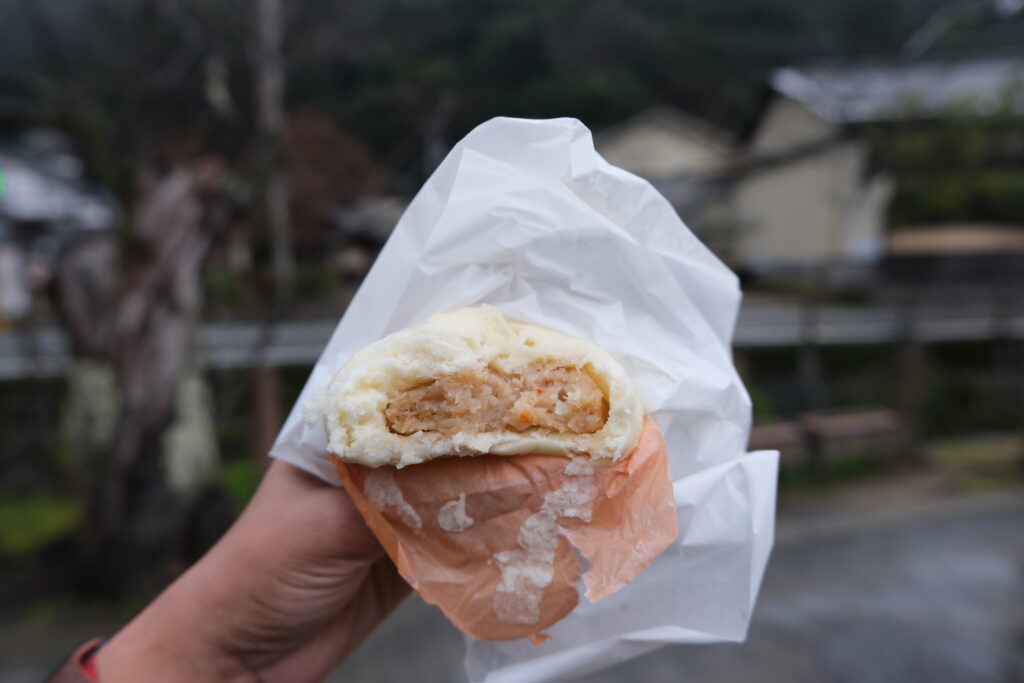
Through crab season, the souvenir shops steam kani-man out the front, packed with matsuba crab, and the town does this Tajima beef version standing right next to it. So I had a choice, and for once in three days, I did not choose crab.
No notes. No regrets. Except the one about not buying four.
7. 15 Plates Breakfast
Fifteen small plates. Cod roe. Turnip pickled in sweet vinegar. Deep-fried fish cake. Egg tofu. Tajima beef simmered in miso. Shellfish with miso dressing. Grilled mackerel. Boiled spinach. Yoghurt with blueberry jam. Crab and turnip dumpling. Roasted green tea shabu-shabu with Yoka pork. Then, nori, rice, pickles and a mushroom miso soup.
Fifteen things. Before nine in the morning. There is crab in it, at breakfast, which I chose to take as a personal kindness.
We also got Kuritama eggs, laid by Goto Momiji chickens at Nishigaki Poultry Farm. Nishigaki is a name worth knowing around here. The same family is behind Tankuma over in Tanto, a restaurant that serves essentially one thing, egg on rice, and still pulls a queue for it.
And the kitchen prints instructions for eating the egg. Beat the egg. Pour soy sauce over the rice, so that it becomes soy sauce rice. Pour the beaten egg over the soy sauce rice, mix quickly, and eat immediately.
Step two is the one that got me. I have spent my whole life putting egg on the rice, never with soy sauce. But Shinzan says otherwise, and when a ryokan prints a numbered method for egg on rice, you do not freestyle. So I did as I was told. Sauce the rice, then the egg, then eat.
A refill egg is 110 yen, which is the best value item in this entire post.
Honorary mention: the onsen tamago
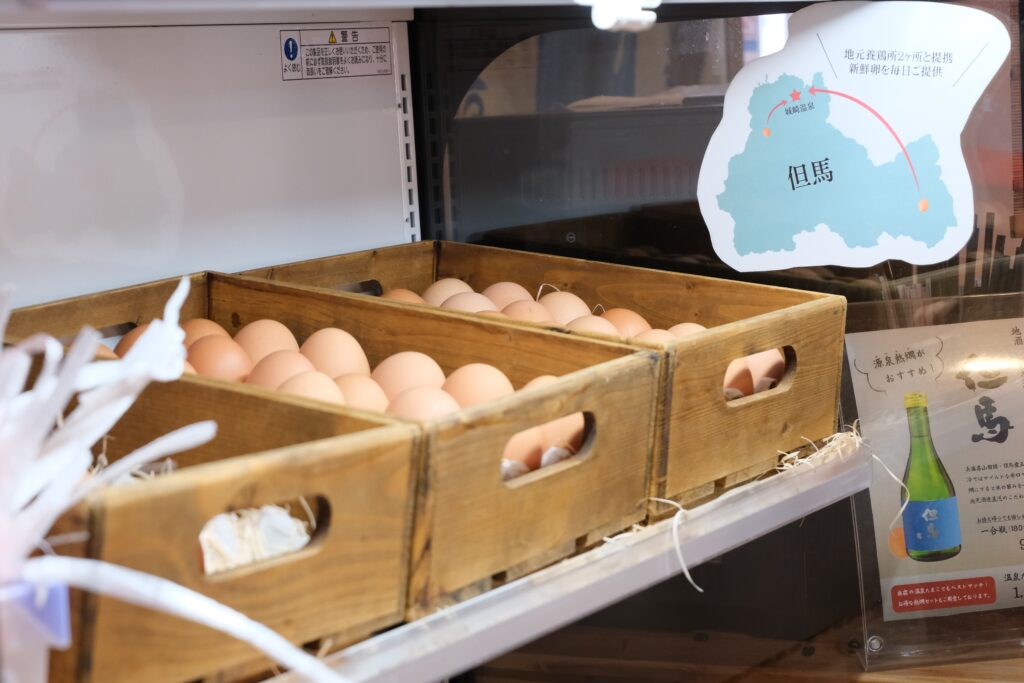
Speaking of eggs. The onsen tamago was also crazy good. I would park it right here, between the ryokan food and the crab below, and it is only left out because I’ve already written about it extensively.
8. Crab BBQ
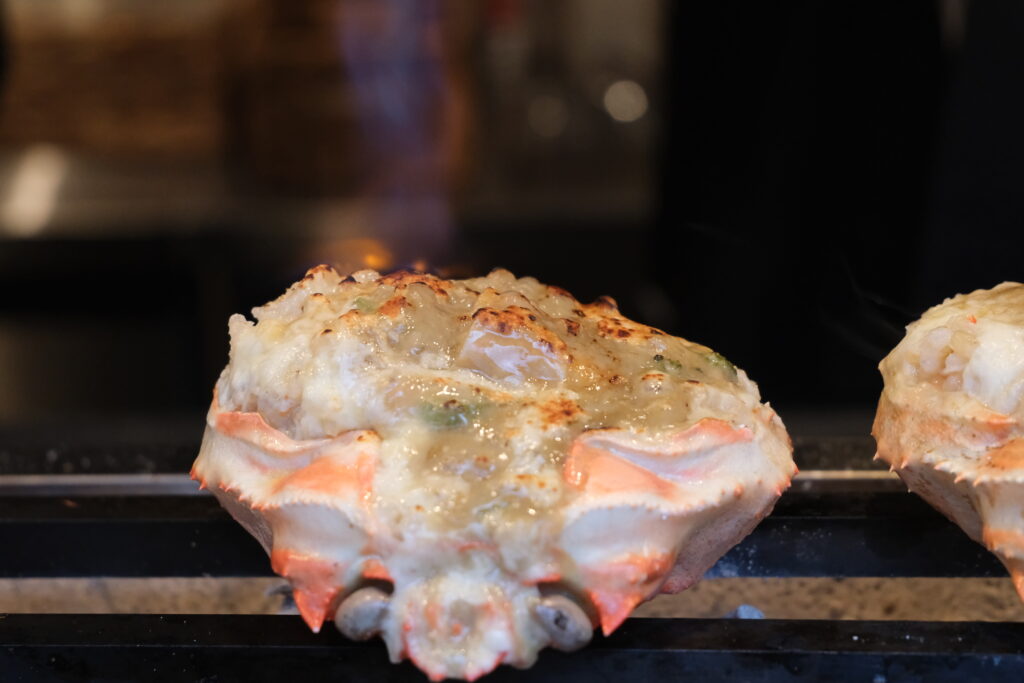
The smell reached us at the station, the minute we arrived in Kinosaki Onsen. Crab meat cooked inside its own shell, then lightly grilled.
This one has a name, too. Kora-yaki. It is the same shell that gets a splash of sake at the end, if you are lucky, which brings us neatly back to number four.
You can smell it, can’t you? So good.
9. Kani sansho and the rest of the snacks
We bought so many snacks from so many stores along the main road. Kinosaki is built for exactly this. In season, half the shopfronts in town have something to snack on, or something steaming away out the front for the people wandering past in yukata.
One of them was the kani sansho. Nishimuraya makes it by hand: red snow crab from Kasumi, simmered with Asakura sansho, Tajima sake, white soy and mirin. 1,680 yen.
It is sold as a side for rice or as something to drink sake with. Given my sake intake across those three days, you can probably guess which one I tested.
10. Last Morning Ryokan Breakfast
On check-out day, breakfast arrived in a nine-square box with an open flame next to it.
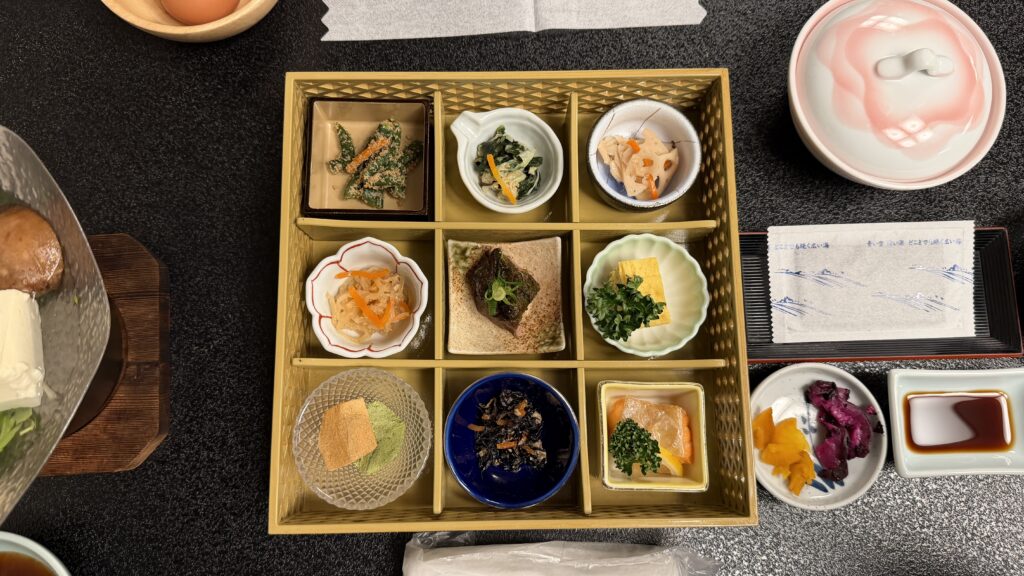
The box: green beans in a sesame dressing. Greens and cabbage with strips of citrus peel. Simmered lotus root and carrot. Shredded daikon in vinegar. A dark-braised cube under a scatter of spring onions, which I was fairly confident was the Tajima beef in miso again, and I was not about to complain. Tamagoyaki with sprouts. Hijiki simmered with carrot. A pale piece of fish under lemon and parsley. And a cut glass dish holding two neat triangles of powder, one kinako and one matcha, arranged like a very small zen garden.
Then a bowl of hot soba with wakame, spring onion and a dab of wasabi, because noodles are apparently a breakfast food here, and I have no notes.
But what made it the last morning rather than just another was the pot. A personal tofu hot pot, tofu and a fat round of negi, a bundle of enoki, one shiitake and some mizuna, sitting over a live flame at the table at eight in the morning. Nobody should be handed fire before nine. I was delighted.
And a raw egg, with instructions as above.
11. Genbudo okaki
The hotel left these in our room. Rice crackers are named after the basalt caves down the road. A perfect drinking companion, which I finished, plus Fafa’s as well.
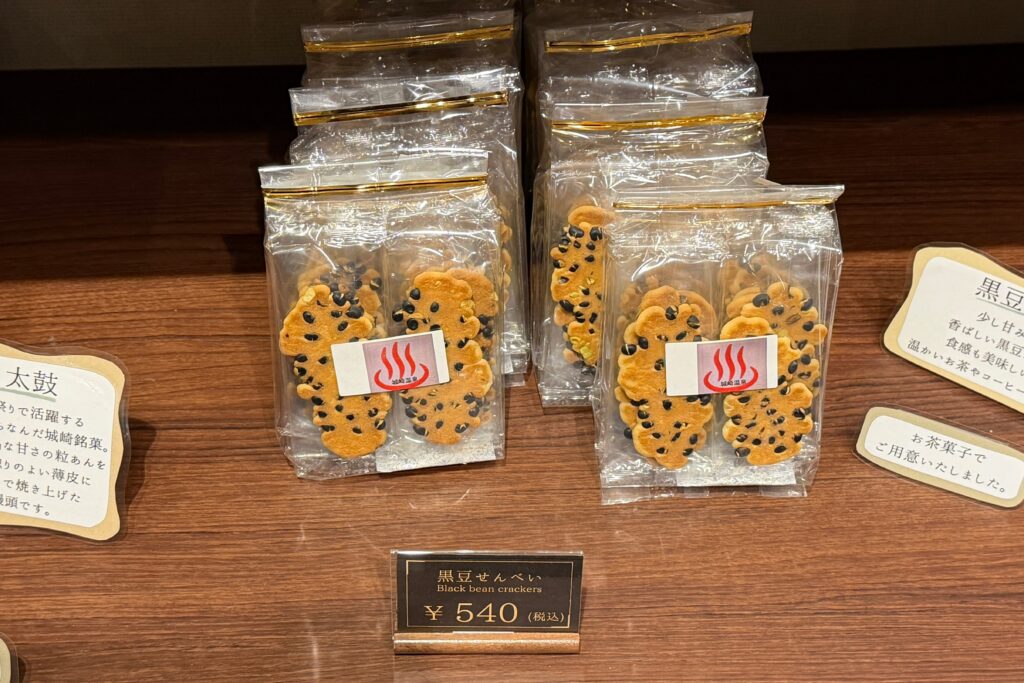
He never got the chance to eat his.
12. Kani senbei
Crab crackers from a random street vendor. Thin, pressed with crab, sold in every second souvenir shop in town.
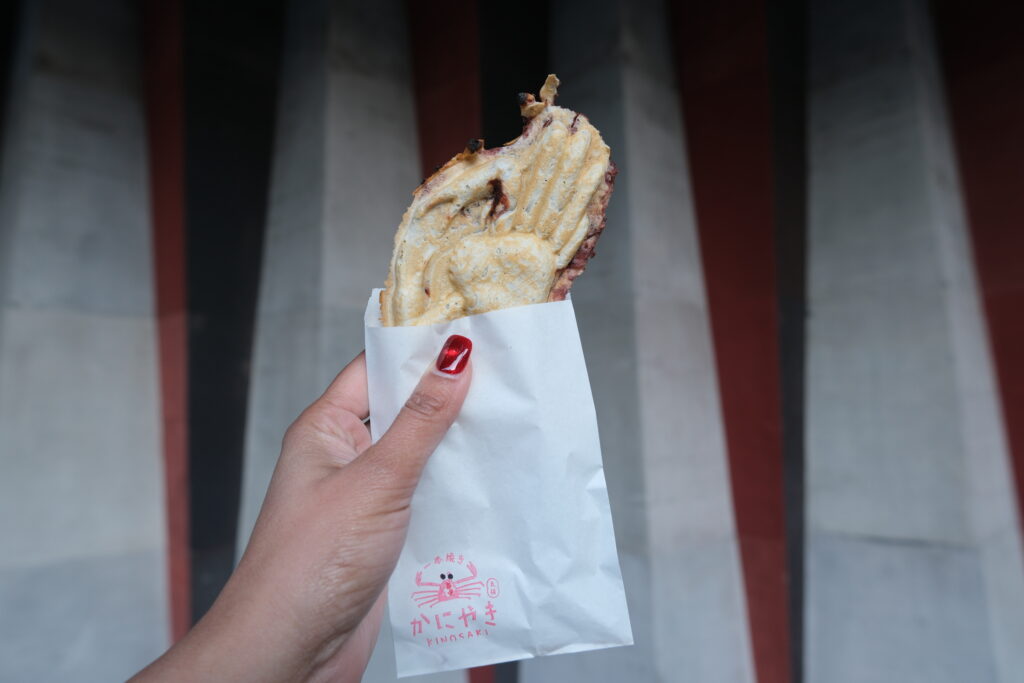
I want to say I have had a version of this before, and maybe I have. This one was so good that my Indo brain immediately started wondering whether it would have been even better with a chilli dip.
13. The milk
Post bath milk is a whole institution, left over from the sento days when the neighbourhood bathhouse was one of the few buildings around with a fridge. Glass bottle. Finished in a few sips.
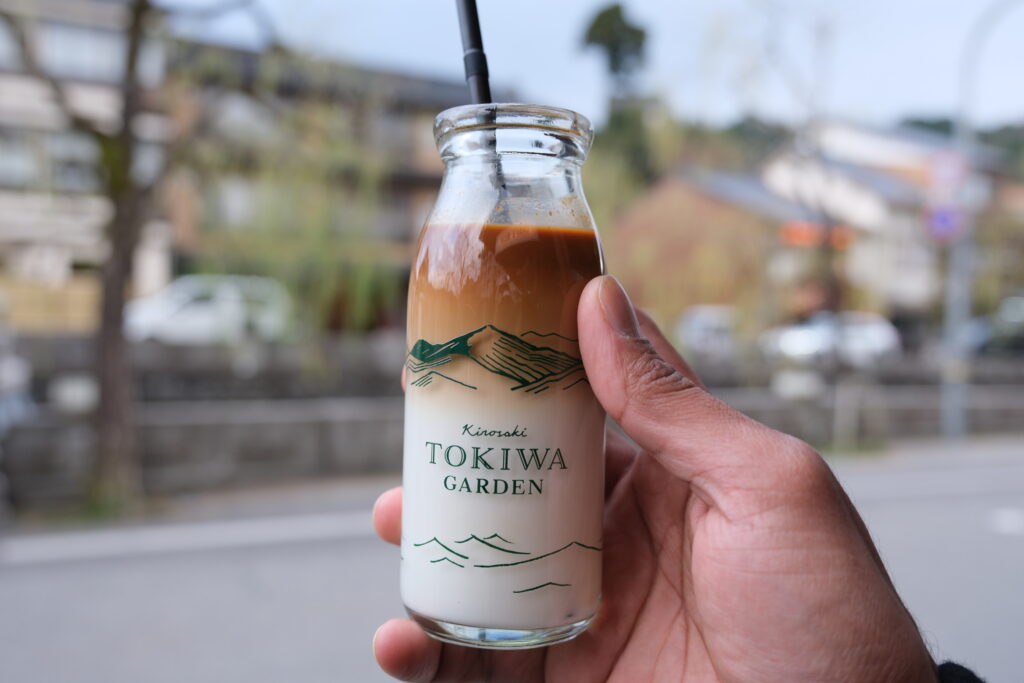
Coffee milk and fruit milk are the classics, and this is one piece of bathhouse culture nobody here has any intention of retiring.
14. Tamago pan
One morning, freshly soaked, we wandered into town and joined the queue for the freshly made buns. Tamago pan from Motosue, the egg bread specialist across from Sato no Yu. They bake in batches throughout the day, torch the sugar on top, and sell out so fast that people plan their mornings around it.
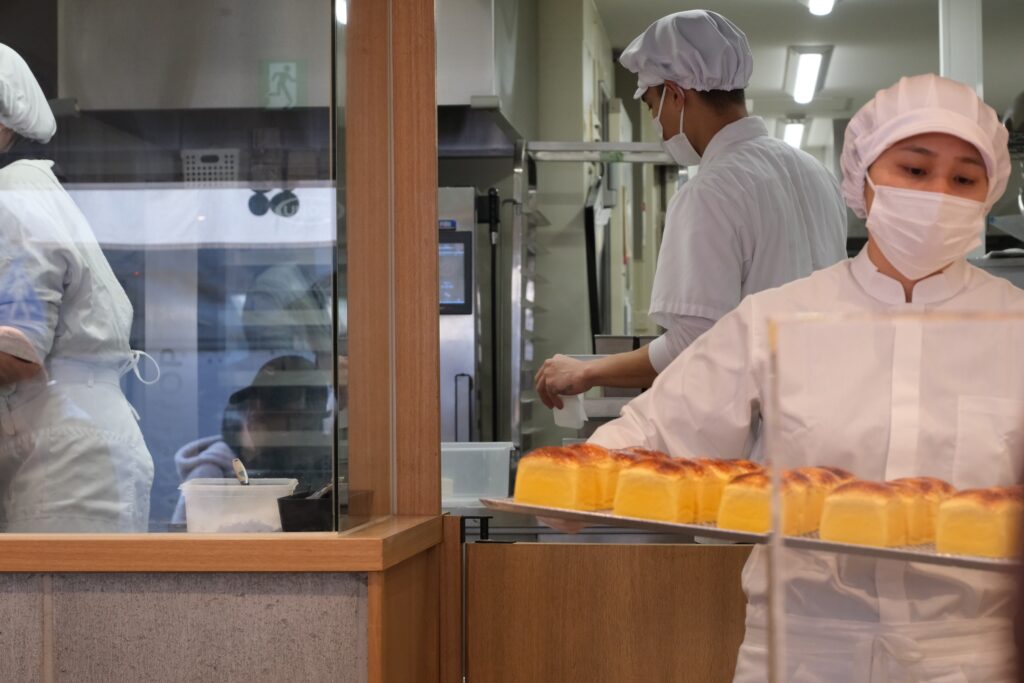
Soft, warm, lovely, and the locals are clearly in love with it. I liked it. It is still not crab.
Also not on the list
The copious amount of sake I had for breakfast, lunch, dinner and everything in between, aside from the crab sake at number four. It was winter. I needed it. Kinosaki generously offered. Also, shout-out to Shinzan Kinosaki ryokan, which offered a variety of sake cups and invited me to choose my own.
Orizuru – The Kinosaki Onsen food experience that got away
We hesitated for a couple of hours over booking the fancy restaurant. By the time we tried, it was fully booked.
It is Orizuru, Kinosaki’s sushi place. Counter seating, and the fish is whatever came in that day, so it runs as omakase. In winter, the headline is the Tsuiyama crab full course, one whole crab, priced accordingly.
Lunch 11:00 to 13:30, dinner 17:00 to 20:00, closed Tuesdays and Wednesdays. The phone number is 0796-32-2203; it is Japanese only, so ask your ryokan to call. They will do it happily.
Book before you arrive. Not the morning of. Not two hours after you first thought about it. Ask me how I know.
So, is Kinosaki Onsen food worth the trip?
Listen. Even though I ranked them, everything here sits well and truly above the line.
If you are a foodie, or just crab-obsessed like me, Kinosaki is worth it even if you refuse to soak naked with strangers. The eating and bathing cultures are the same trip, anyway. You cannot really have one without the other.
Actually, especially then. More crab time.
Follow me on Instagram @KultureKween for more recent updates.

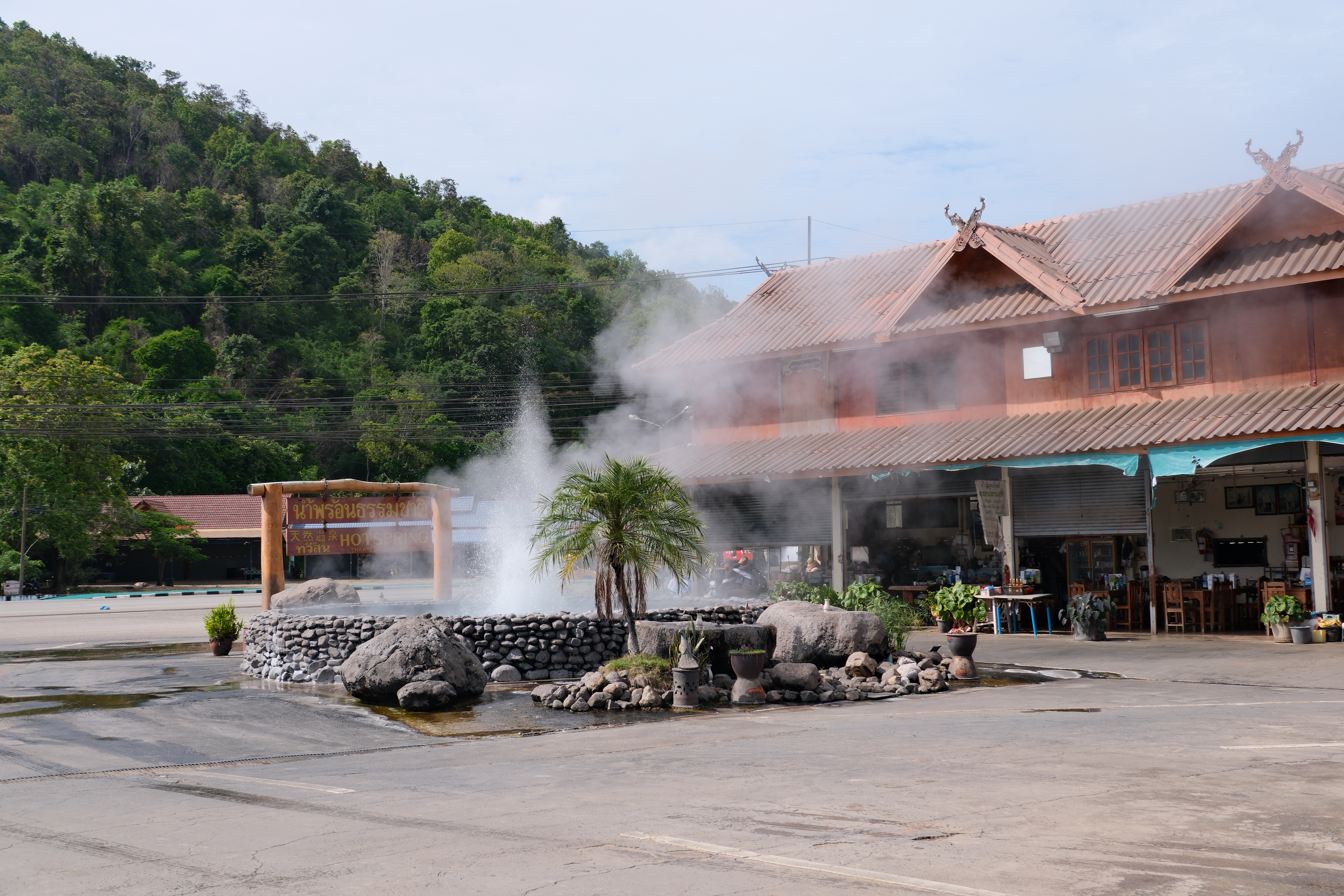
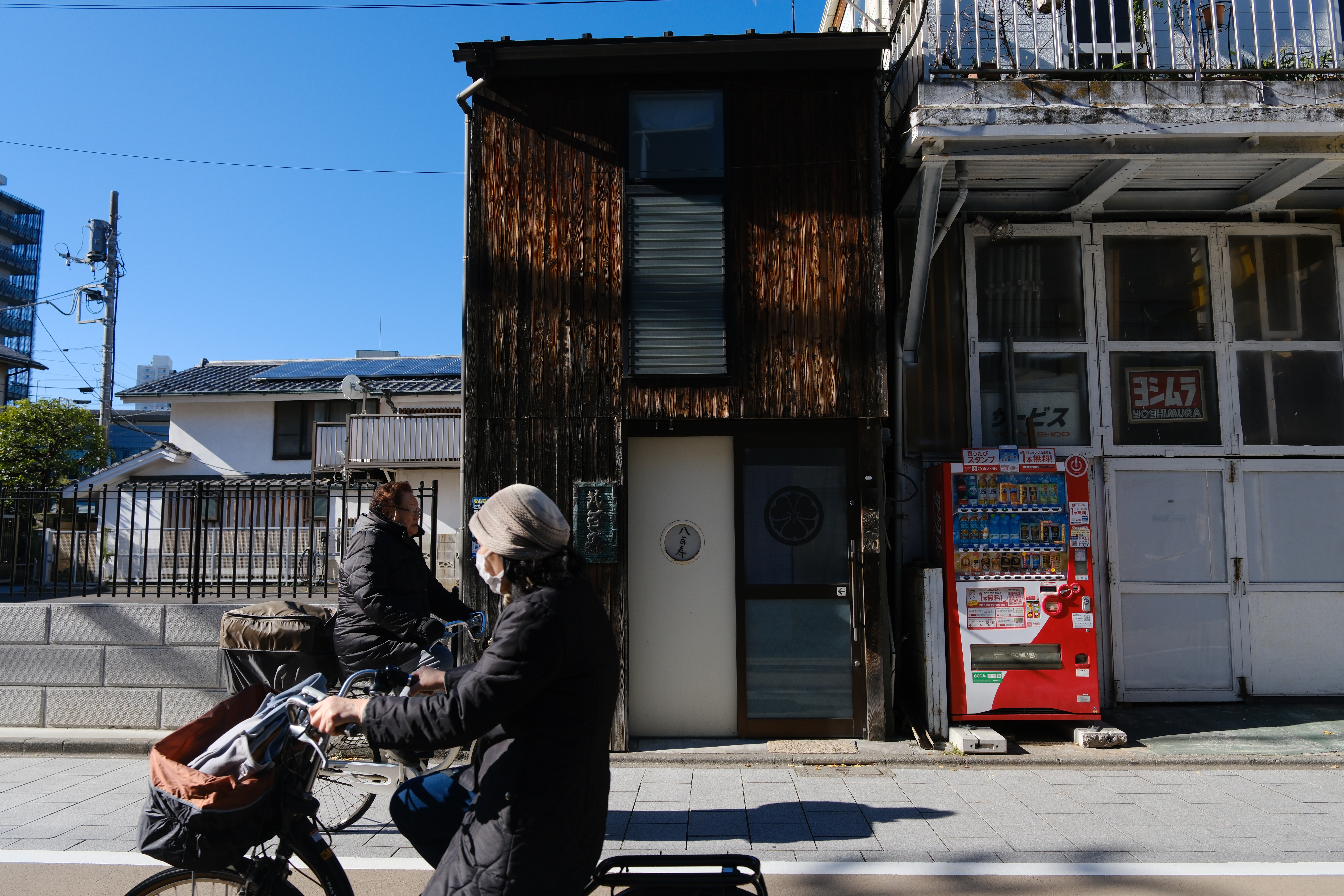
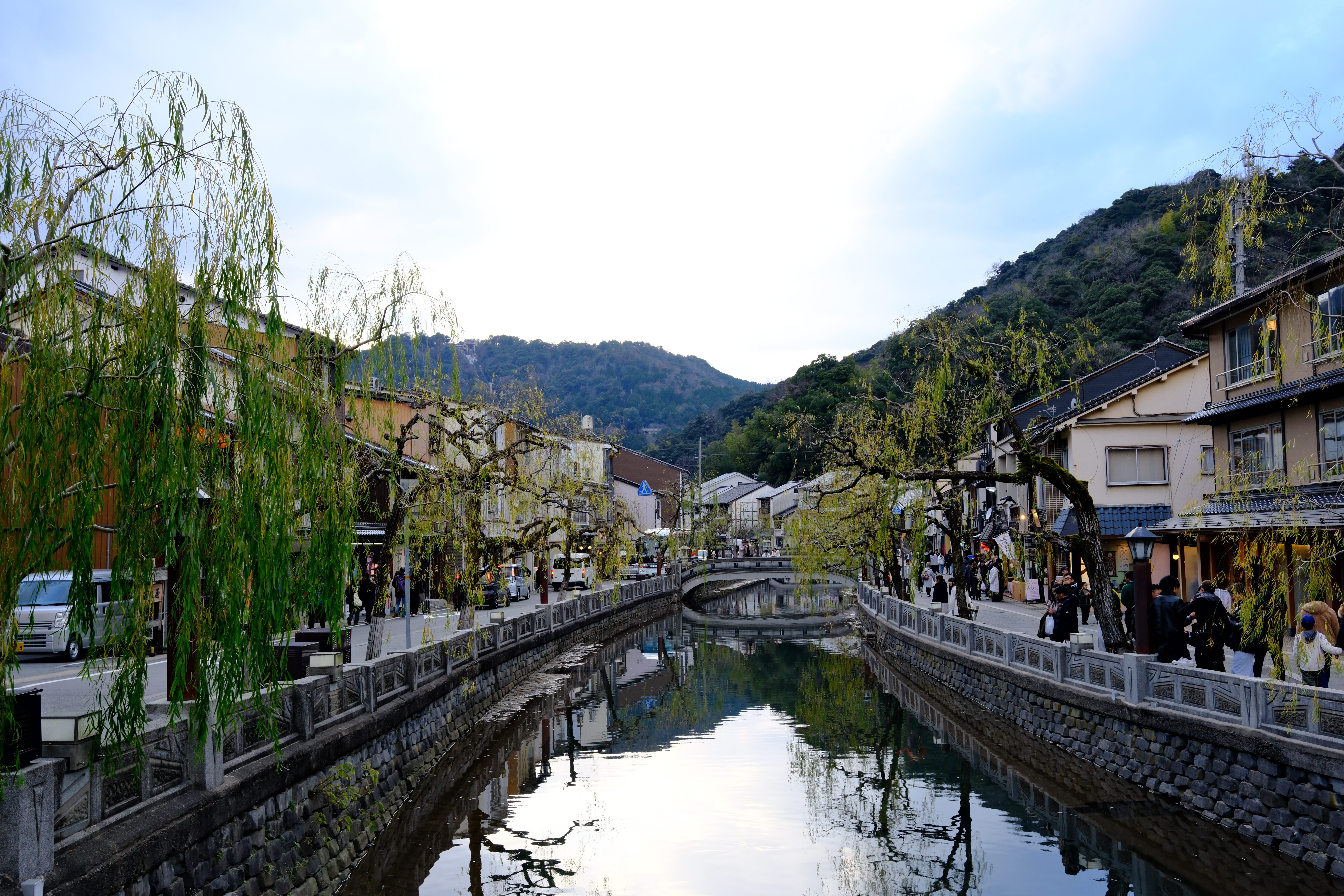
[…] It is winter, it is matsuba-gani season, and the town has arranged its entire personality around it. The food was easily half of why I loved this trip, which is why it got a post of its own: what to eat in Kinosaki Onsen. […]
Hi hi! Did you actually visit during the winter season or is this post highlighting restaurants in the off-crab season? Planning to go in September so trying to play ahead 🙂
Hi Lexie, we were there in December (crab season), but I’m sure you’ll get to enjoy plenty of other delicious seasonal food all year round.
[…] Edo-era doctor who praised the healing powers of its waters, and it sits at the symbolic centre of Kinosaki Onsen. So we made our way there, the walk taking twice as long in our yukata. Graceful, maybe, but I was […]
I still dream of that crab porridge 🦀
Yeah, that’s so delicious, perfect for today’s weather…