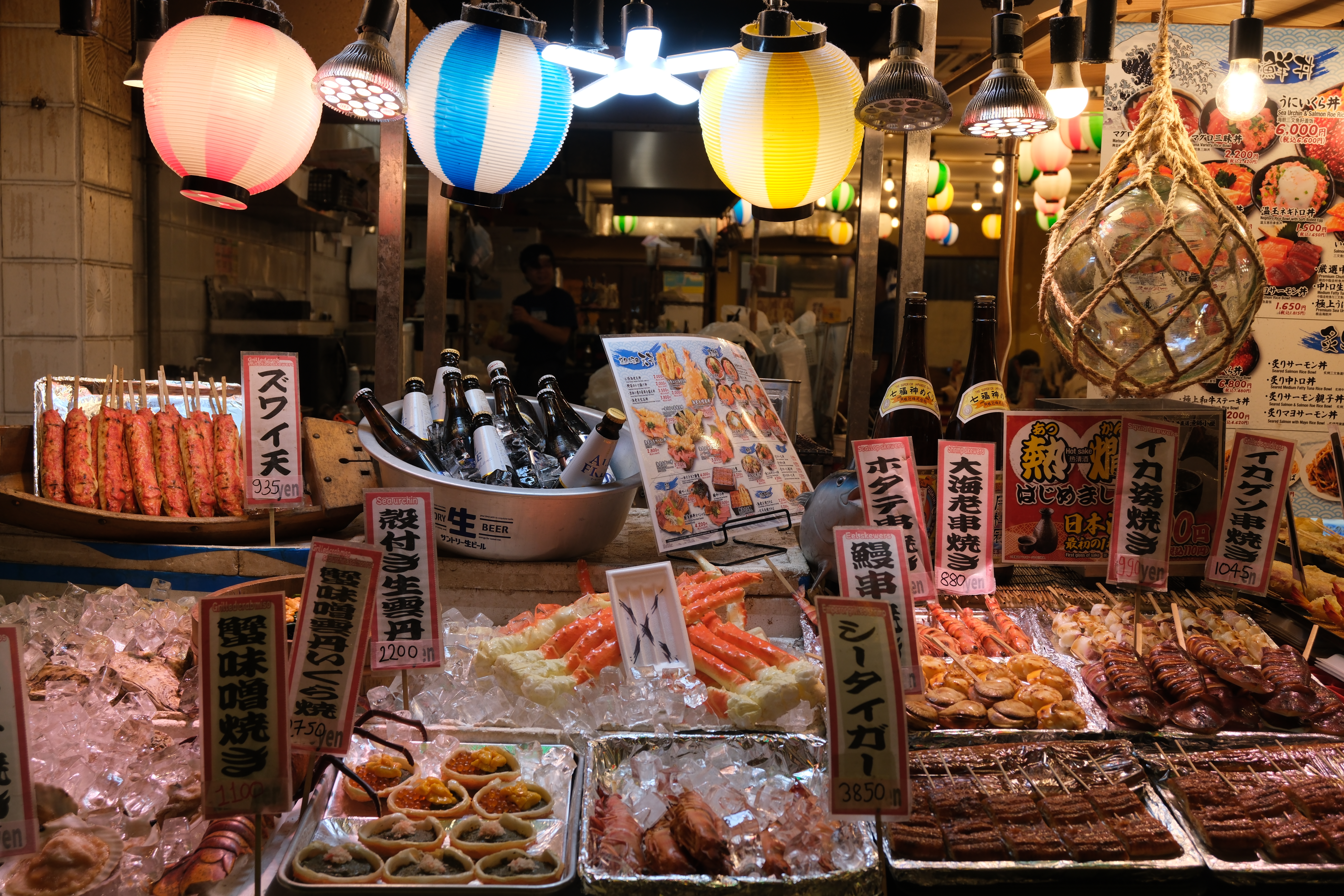
The Japanese habits I brought home are not the fancy ones. A washcloth, a little animism and a habit of noticing pretty things. None of them cost much (unlike my Japan souvenirs, which cost me an extra whole suitcase).
The washcloth
The long Japanese body washcloth is a bathroom staple in Japan. It is long enough to reach your back, it whips soap into a foam worthy of a cappuccino, and it scrubs better than any loofah I have owned. I met it properly at the onsen in Kinosaki, where I also learned the small towel goes on your head and never in the water. Now my shower feels naked without one. I grew up with mandi and a gayung, so I thought I knew clean. I did not.
Everything has a spirit
In Shinto, kami can live in mountains, trees, rivers and even everyday objects. There is a folk belief called tsukumogami, where a well used object gains its own spirit after a hundred years. Some temples even hold a memorial service for broken sewing needles (hari kuyo), thanking them for their work. This felt familiar. Growing up in a Hindu household, we blessed our tools, books and car during Ayudha Puja. Japan just reminded me to do it daily. I now thank my rice cooker. It has never let me down, which is more than I can say for some people.
Joy in small daily beauty
Japan makes ordinary things beautiful. Seasonal sweets that change with the month. Konbini onigiri wrapped like a gift. Manhole covers painted with local art. A single flower in a ryokan toilet, of all places. Nobody is performing for Instagram. It is just how things are done. So I set my table nicely even when it is toast for one, and I buy the prettier tea towel.
These Japanese habits did not need a plane ticket to keep going. They just needed me to slow down long enough to wash my back properly, thank my things, and notice the flower. Small habits, big joy. Japan, you did it again.
Follow me on Instagram @KultureKween for more updates.