Fafa and I recently went out for Rajasthani food, and surprisingly, neither of us had ever tried it before. The restaurant is in Carlton, where the chef was running a Rajasthani menu woven through with Australian native ingredients. It reminded me of Atlas Dining, except this chef is working their way through India’s regions.
Rajasthan is high on my Indian bucket list (more specifically, it sits right below the Taj Mahal and just above Madurai) for two reasons: it is on the Maharajas’ Express Indian Splendour route, and I want to stay in one of its fancy palaces. So naturally, I was curious about Rajasthani flavours.
We started dinner with a trio of famous Bikaneri snacks. The Papad with peas, grapes and pink peppercorns was exquisite and easily my pick of the night.
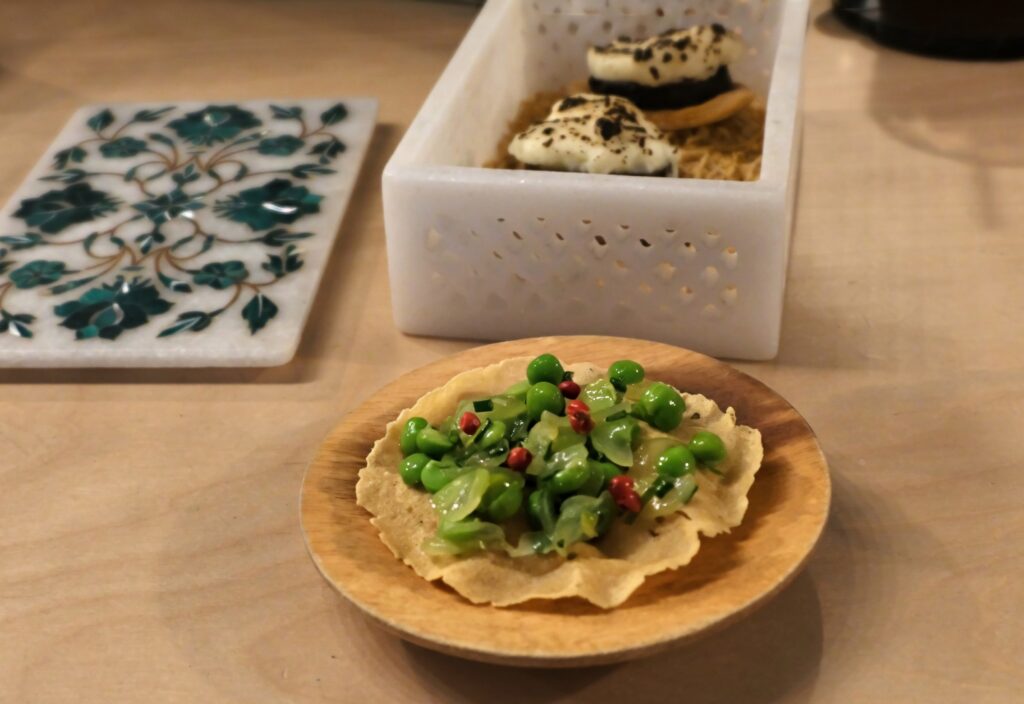
It was followed by Bhujia on Mathri, each with a local twist of mountain pepper, leatherwood honey, and lemon myrtle. It was okay, though beautifully presented, and I would have loved to take home the box it came in.
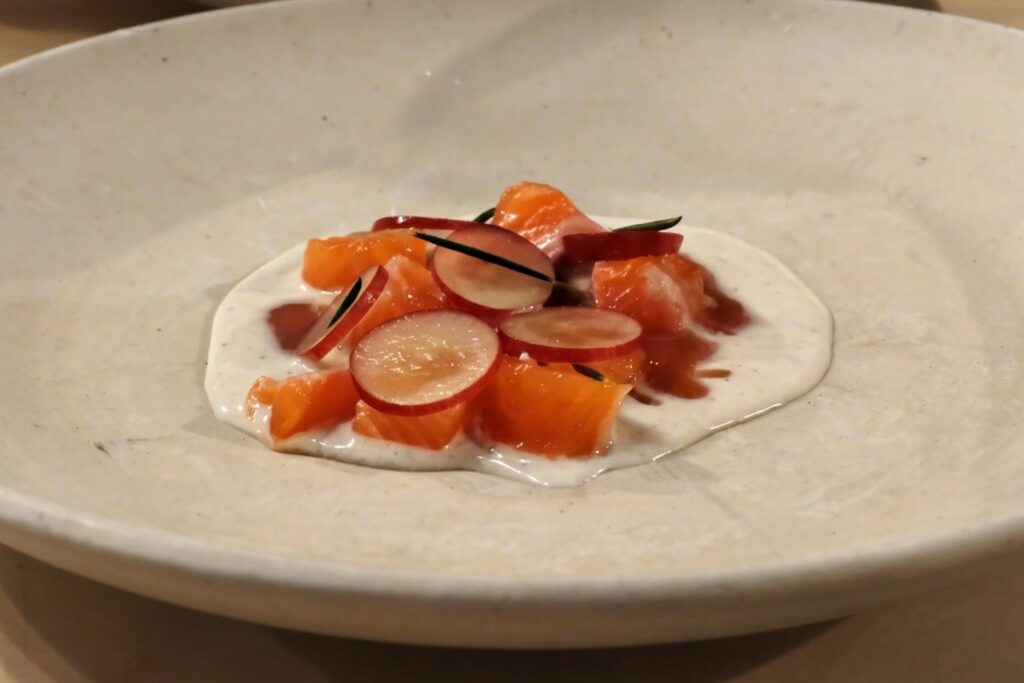
The second course, Safed and Laal Maas, drew inspiration from the royal kitchens of Jaipur. Seasonal fish came with two sauces, a red quince and chilli curry and a white macadamia korma, finished with paperbark and Geraldton wax. I really enjoyed this dish too.
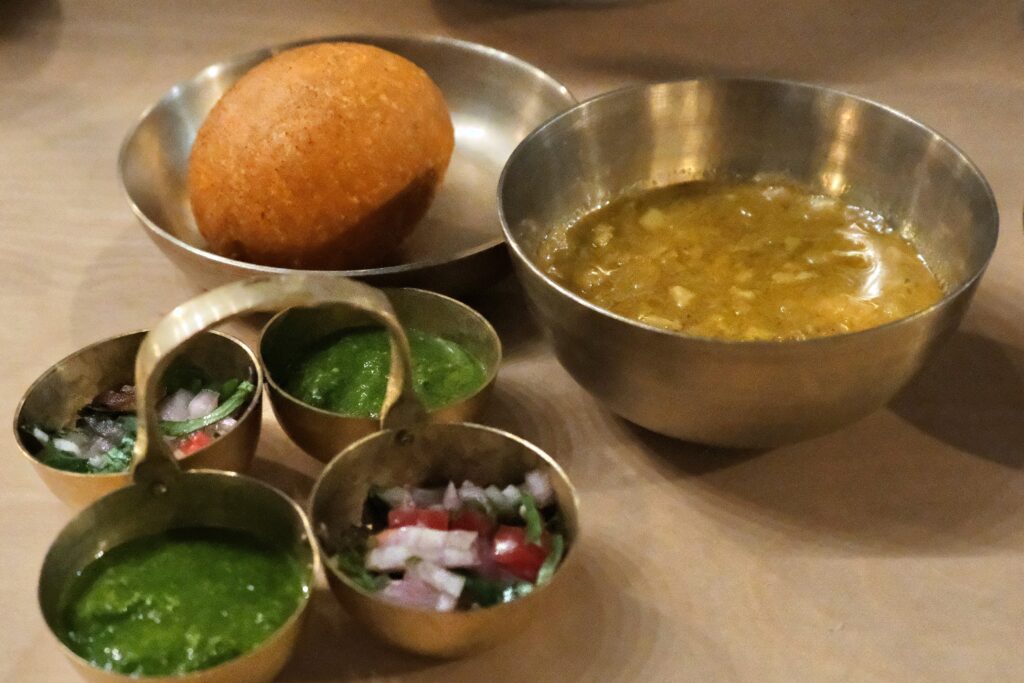
Then came the Kangaroo Keema Baati, an outback take on the baati of the old Mewar kingdom, home to the great forts of Chittorgarh and Kumbhalgarh, served with masala curry, coriander and finger lime. Baati, I later learned, is a classic Rajasthani dish: a hard-baked wheat ball traditionally broken open by hand and soaked in ghee. The concept was good and faithful to the original, but I struggled to break the ball with my spoon. Next time, I’ll use my hands and bite directly.
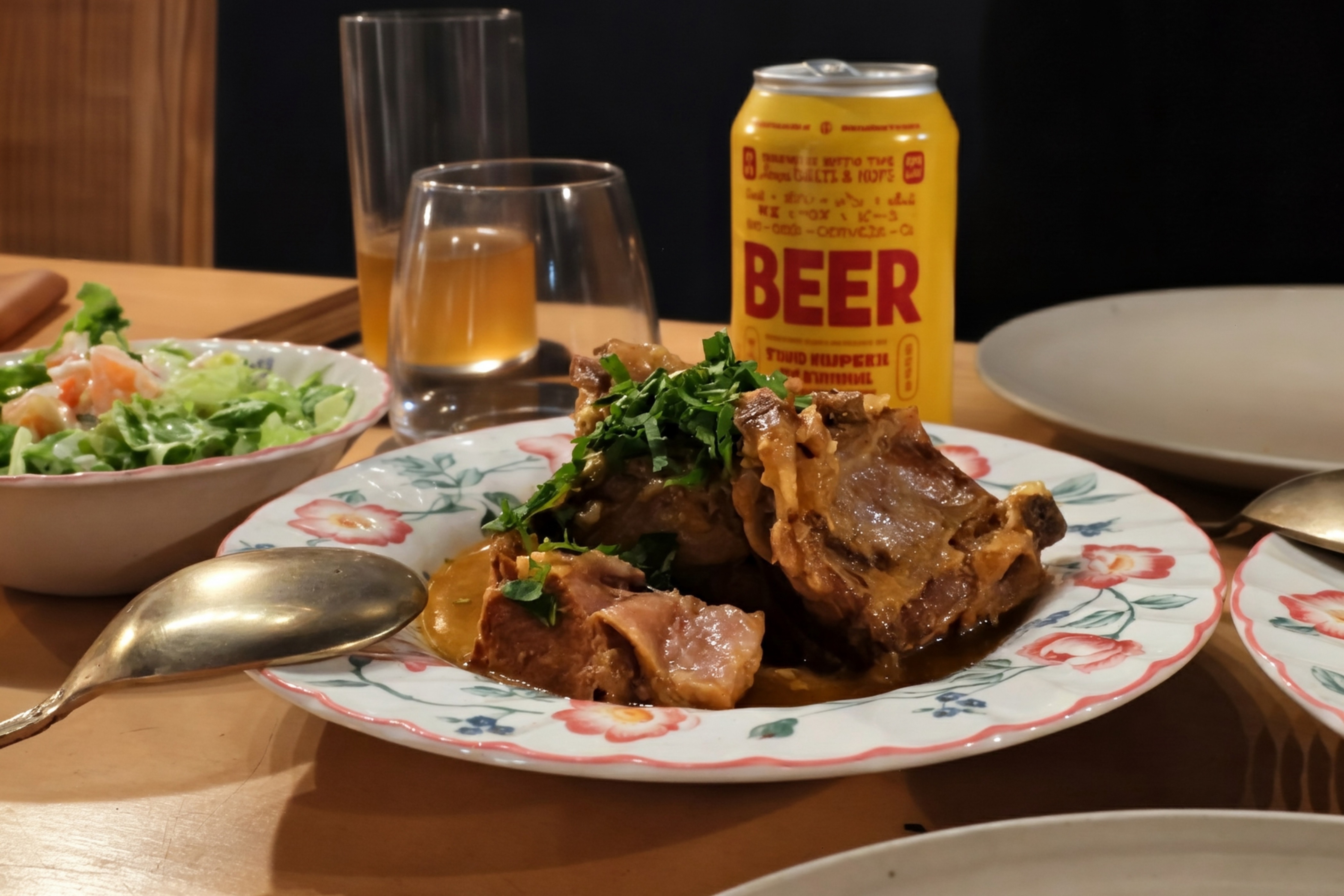
The main was Junglee Maas, which translates to “wild meat” and is inspired by Ranthambore’s royal hunting era. It was goat with cumin rice and a seasonal salad, and the meat was the polar opposite of the baati because it fell right off the bone.
Junglee Maas is supposed to be fiery, traditionally cooked with little more than ghee, salt and plenty of dried red chillies, yet this version was lightly flavoured compared to other Indian soups I have had. I’m not sure why the chef toned it down. Perhaps it was to cater to local palates, but I wish they had kept it spicy. Still, it was good and comforting, and I would have it again, though I couldn’t stop thinking about how much it tasted like Sop Sani’s Indonesian mutton soup.
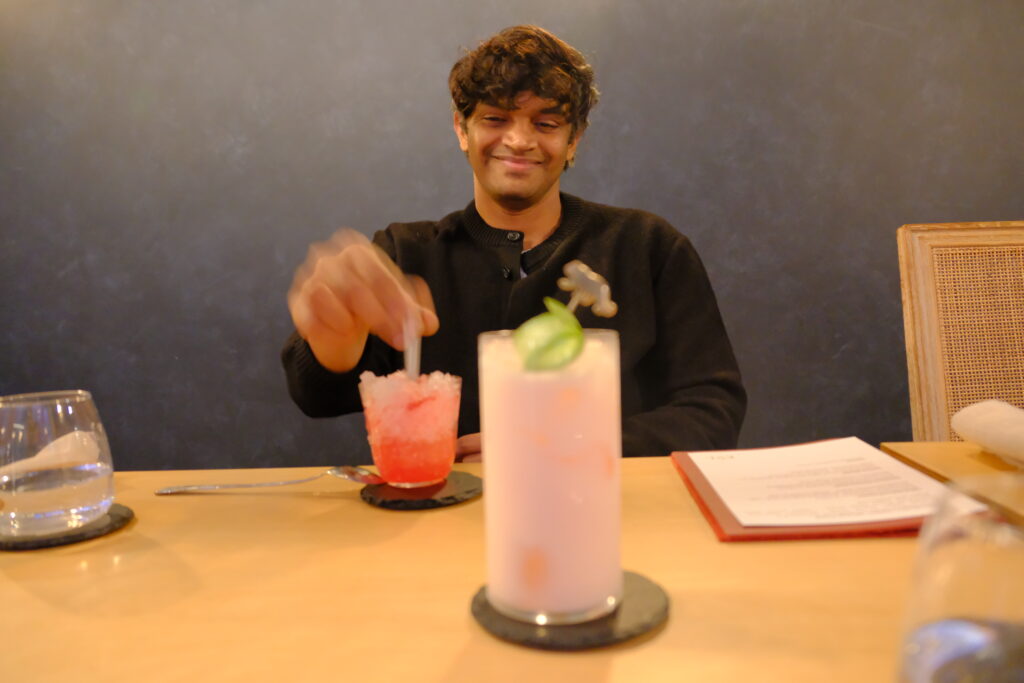
Last was dessert: Kheer, rice cooked in milk. I didn’t enjoy it, not because of the taste, but because I have this weird thing where I don’t like rice with milk as a dessert, not even payasam, a version of it that is my favourite dessert in the world.
Still, my first experience of Rajasthani food was a privilege, and it made me curious about the other regional Indian cuisines I have yet to discover.
Follow me on Instagram @KultureKween for more recent updates.