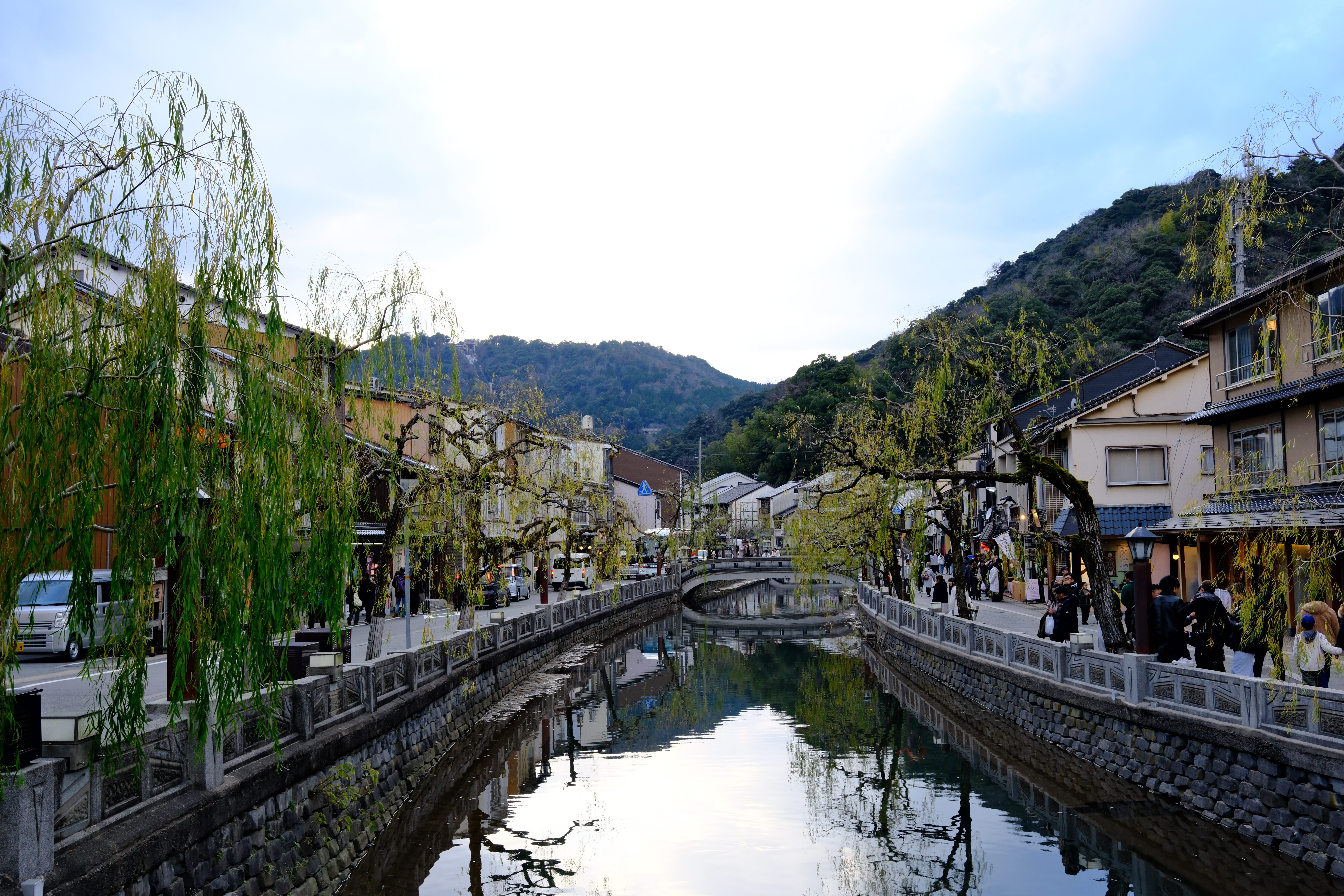
Kinosaki Onsen was Fafa’s idea. It is one of the few onsen towns that will let you in with tattoos, which conveniently covers both of our loves: ink and sitting in very hot water with no clothes on. We booked it for our anniversary, which lands right in the middle of the Japanese winter holiday. (Hold that thought. It comes back at the end.)
Quick context: the whole town runs on the sotoyu meguri, the circuit of seven public baths you hop between in a yukata and geta, which are the local formal wear. Everything else- the shops, the crab, the coffee, the temple on the hill- happens in the gaps between soaks.
So, one do, and one don’t at a time.
Things to do in Kinosaki, and what not to do
DO soak, get out, and soak again
If you ask me what I actually did in Kinosaki, the honest answer is this. Got in the water. Got out. Put the yukata back on. Walked four minutes down the canal. Got back in. Six bathhouses across two nights, and I would have gone back for the seventh if my skin had been willing. That is the town. That is the entire point of the town. Six Bathhouses, Two Nights, One Yukata.
DON’T count on your ryokan onsen
Ours was fine. Newly renovated, spotless, perfectly nice, and not what I came for. The in-house bath is for eleven at night, when you cannot face putting your geta back on. The town’s baths are the actual event.
DO practise the etiquette
Kinosaki letting tattooed people in is a kindness, not a loophole, so earn it. Wash and rinse yourself completely at the seated shower before you get in. Properly. Not a symbolic splash. Every single time, including the fourth bath of the day. Hair up. Little towel out of the water, folded on your head or parked on the ledge. Rinse your stool and bucket for whoever is next. Voice down. Dry off before you step back into the changing room, and get out if you start feeling lightheaded. None of it is hard. All of it is why the town still feels the way it does.
DON’T bring your phone in
No cameras either. Not for the tiled ceiling. Not for the empty corner. Not at seven in the morning when you are certain everybody else is asleep. The baths are one of the last places left where nobody is photographing anything, and it is glorious. Do your posing on the bridge outside, in your yukata, like the rest of us.
DO chase the Kinosaki Onsen stamps
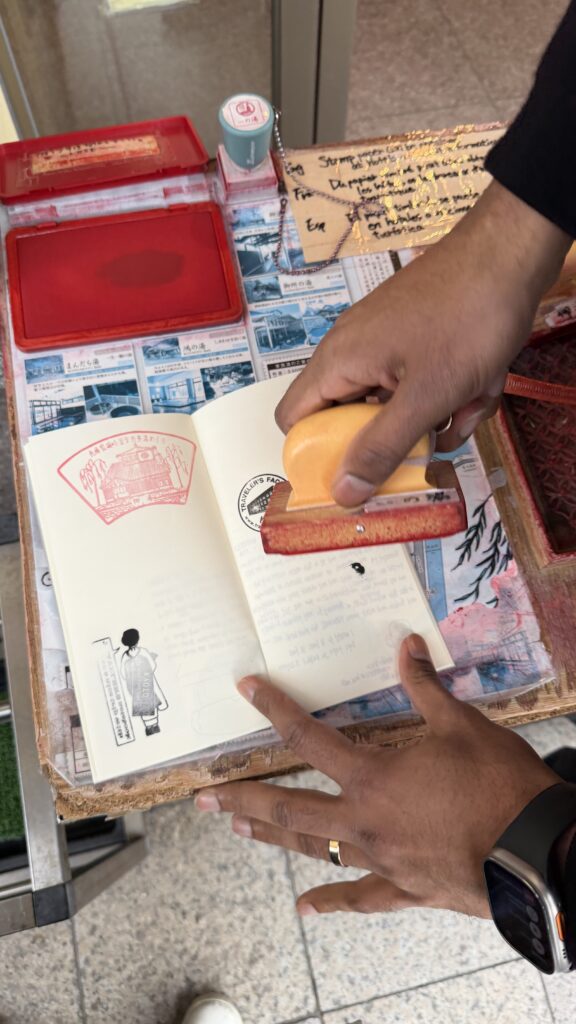
A stamp waits outside each Kinosaki Onsen bathhouse, and yes, I collected them as I went to a deadline. It sounds like a small thing to build two days around. It is an extremely small thing. It also turned the walk between baths into a treasure hunt and sent me down streets I would otherwise have walked straight past.
DON’T drag your companion to all of Bathhouse, but do go yourself!
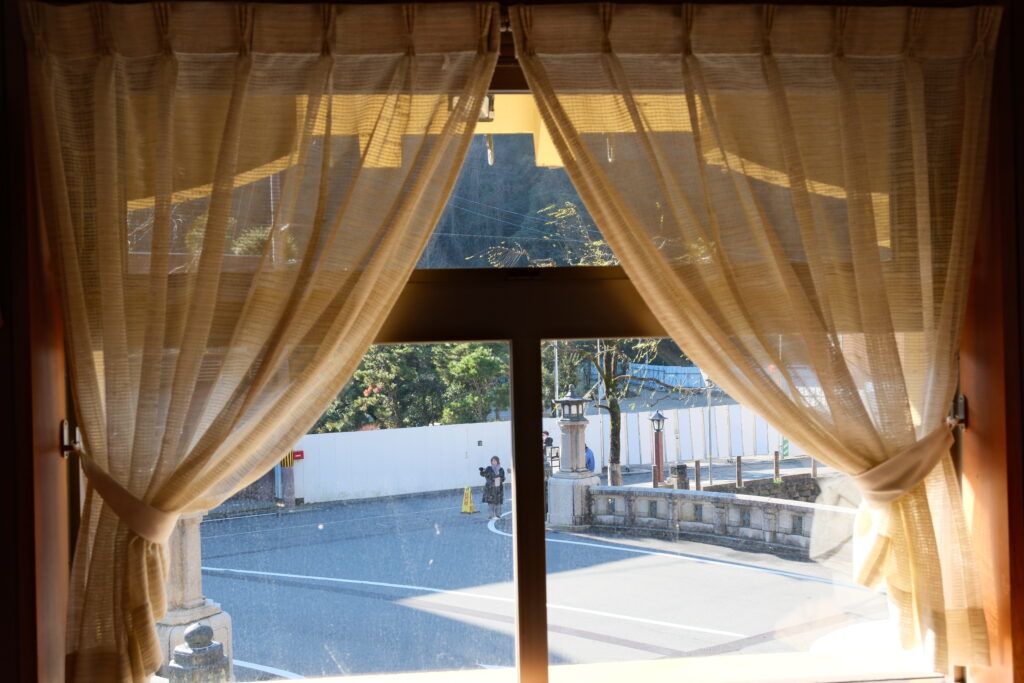
Fafa is not a six-bathhouses-in-two-nights person. I am. Marching someone through your own hobby for an entire weekend is how an anniversary quietly turns into a negotiation. Let them out after the first couple.
DO make the coffee shop the meet-up point
We found one he could sit, read and relax in while I soaked, and I would turn up afterwards, pink and boiled and very pleased with myself.
DON’T stay away from the canal
Shinzan was lovely. The room was humongous, the staff were kind, and I would happily recommend the place itself. But it sits away from the canal and the main strip, and in a town where the whole culture is shuffling between baths on foot, that distance costs you something. Next time I am booking right on the water.
DO take the cable car up Mt Daishi
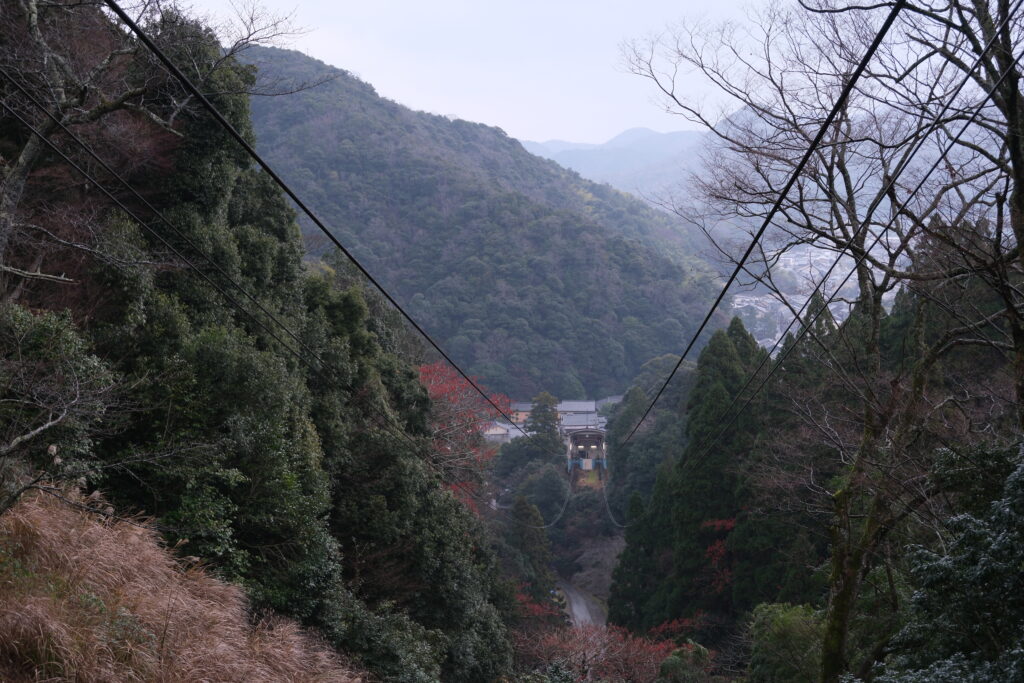
The surprise of the trip. The ropeway leaves from the western end of town near Konoyu and climbs in two stages, about seven minutes to the top. The summit deck looks out over the whole town, the Maruyama River plain and the Sea of Japan behind it, and there is a spot up there where you throw little clay discs at a target for luck. I came back down with a notebook from the shop. Obviously.
DO embrace the healing power of Onsenji temple at the middle station
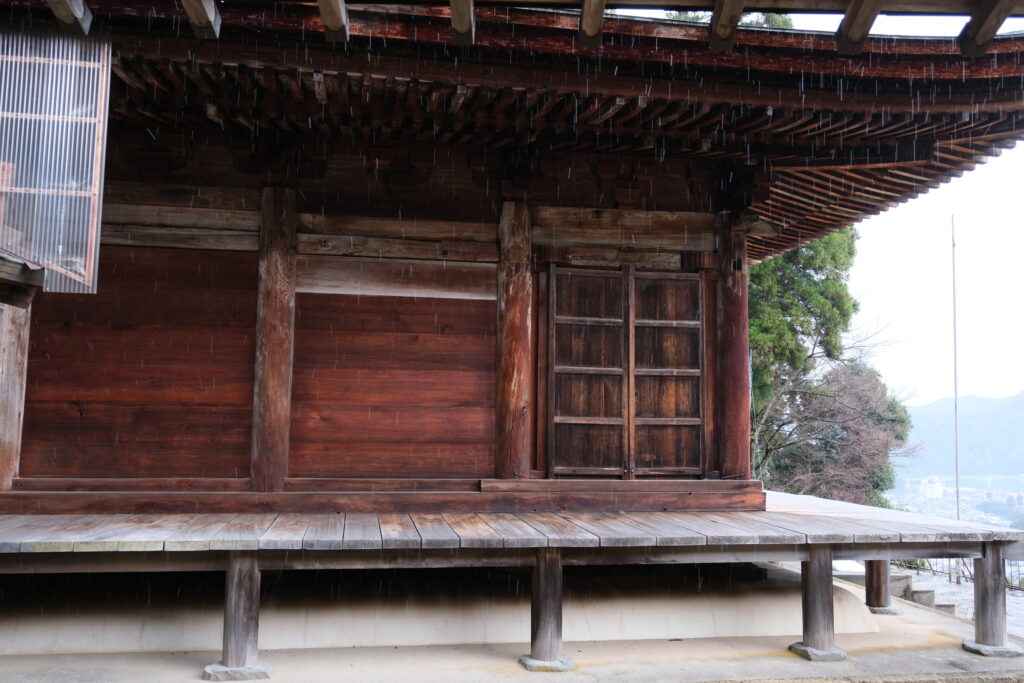
Get off at the middle station. That is where Onsenji sits, the town’s guardian temple, founded by the monk who is said to have prayed for a thousand days before the springs appeared. It enshrines Yakushi Nyorai, the healing Buddha, and for centuries anybody who wanted to bathe down in the town was expected to climb up here and ask the temple first. Learning that halfway through a bath crawl rearranged something in my head.
DO boil your own onsen egg
At the bottom of the ropeway, in Yakushi Park in front of the Onsenji gate, the water comes straight out of the rock at around boiling degrees. Buy a little mesh bag of raw eggs from the chaya beside it, hang the bag in the water, then sit in the footbath and count out roughly eleven minutes. Custardy white, firm yolk, salt, done. We ordered three on the first day, because I’ve never once been able to walk past a hot spring egg. Onsen tamago, at length.
DON’T book more than two nights
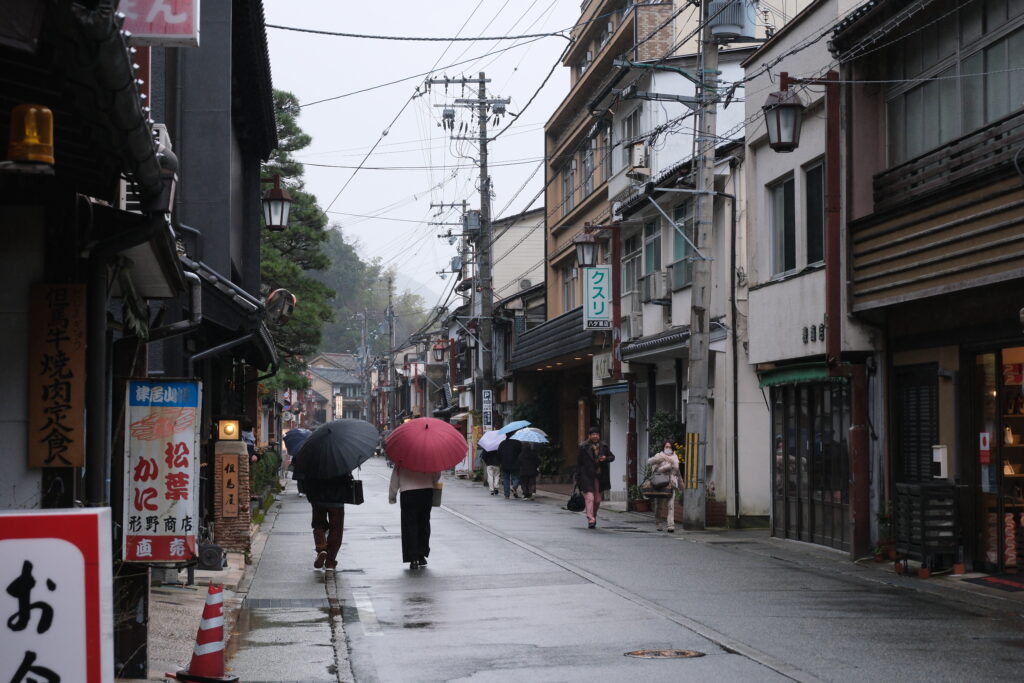
Everything above fits into two, comfortably. The town is small enough that you will have walked all of it by the second afternoon, and ryokan rates come with dinner and breakfast attached, so the nightly number climbs a lot faster than a hotel does. A third night would have been lovely, but it would also have been a lot.
DO buy usable souvenirs
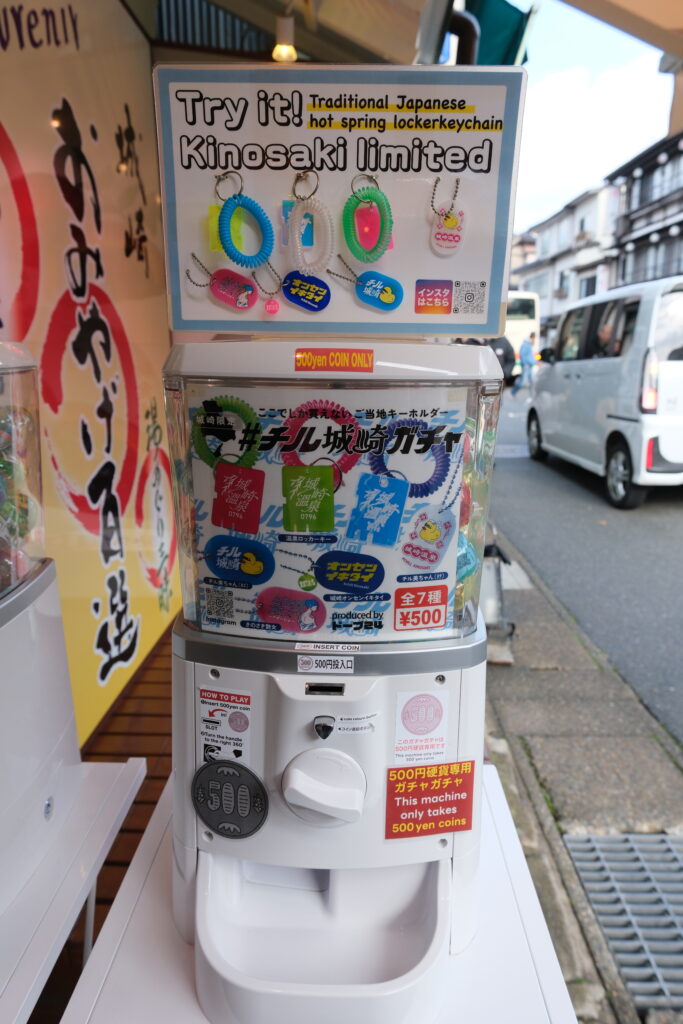
Kinosaki is a shopping town. I came home with four Japanese towels, ten postcards and a keychain that is on our house keys right now, months later. Nothing big, nothing expensive, all of it still in use, which is more than I can say for most things I have carried across an ocean.
DON’T leave the trains late
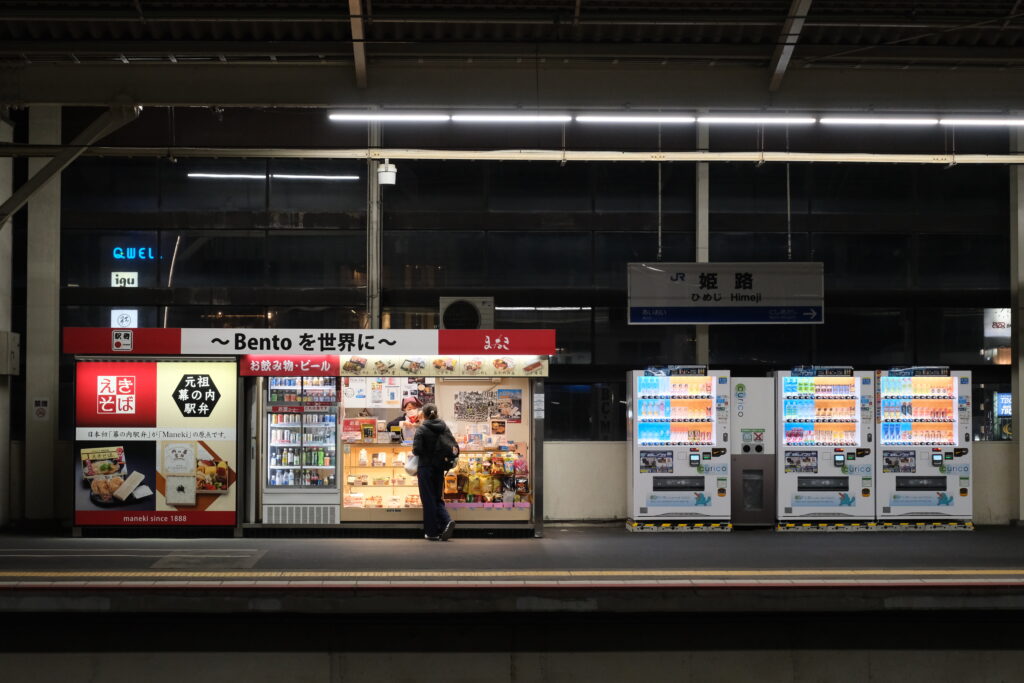
The baths, the shops and the crab can all be sorted once you arrive. The trains cannot. Book in and out early, especially over the holiday period, because the seats go. Least romantic tip on this list. Possibly the most useful one.
DO send the postcards
I bought ten of them. They go to family, to friends, to the people who would still rather have four lines in my handwriting than another photo on a feed. Buy them in town, write them in the coffee shop while you are waiting for whoever is still in the bath, and post them before you leave. A postcard mailed once you are home is not the same object.
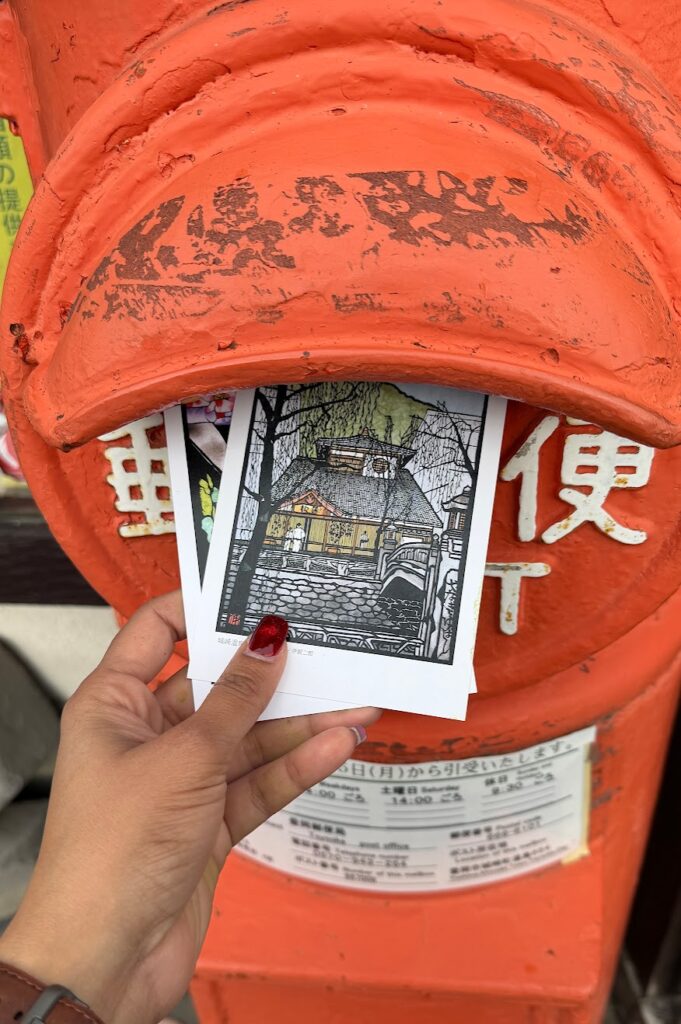
DON’T forget one for future you
This is the one I never skip. I always send myself a postcard. It lands in Melbourne a few weeks later, when I am back in my normal life, back at my desk, doing normal things, and it arrives to tell me that life was completely great only a few weeks ago. Past me is not always thoughtful. On this one, past me delivers, and future me always appreciates it.
DO eat the crab
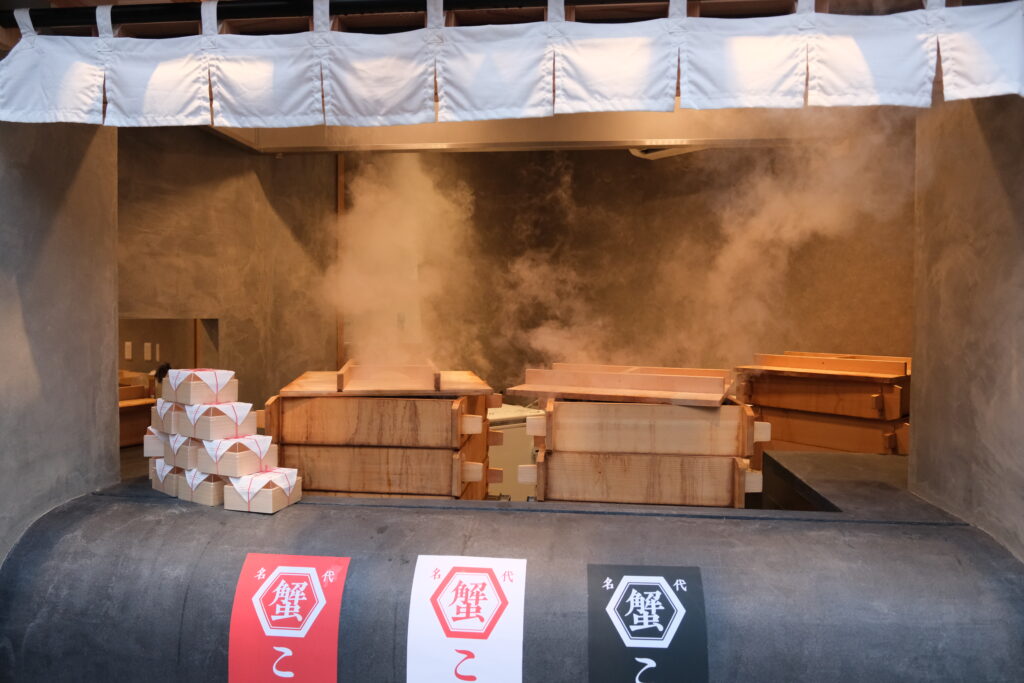
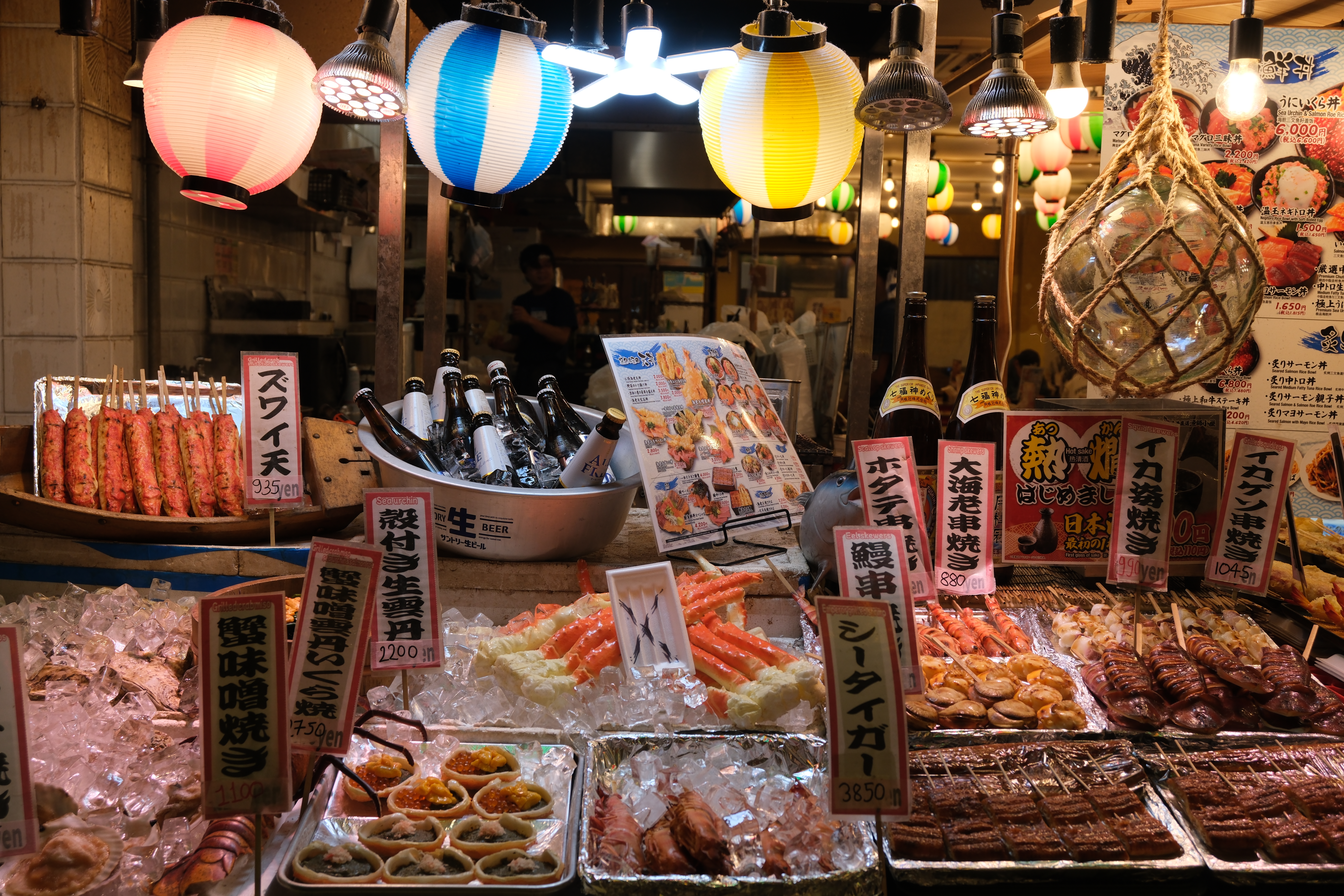
It is winter, it is matsuba-gani season, and the town has arranged its entire personality around it. The food was easily half of why I loved this trip, which is why it got a post of its own: what to eat in Kinosaki Onsen.
DON’T hesitate on Orizuru
If possible, do consider the fancy dinner at Orizuru, the sushi counter where the fish is whatever came in that day. We wanted it for our anniversary. We thought about it, talked about it, decided to sit on it for a couple of hours, and by the time we tried, it was gone. A couple of hours. It closes Tuesdays and Wednesdays, the phone line is Japanese only, and your ryokan will ring for you happily, so ask them the day you book the room. Not on the day itself. Definitely not after a long soak, when your brain is soup.
DO say yes to the ryokan rituals
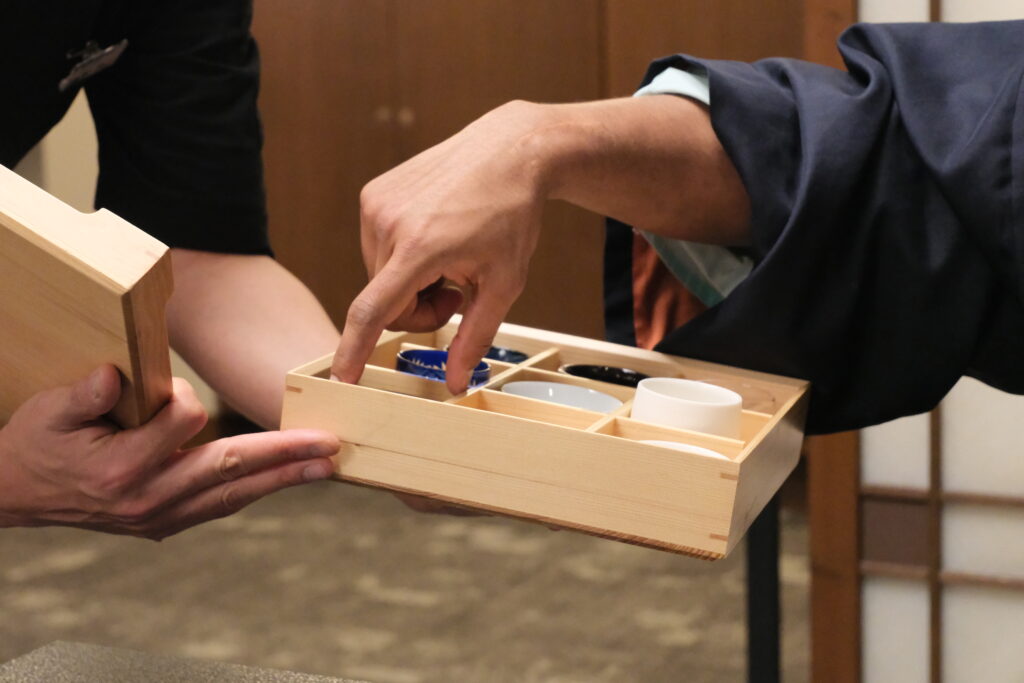
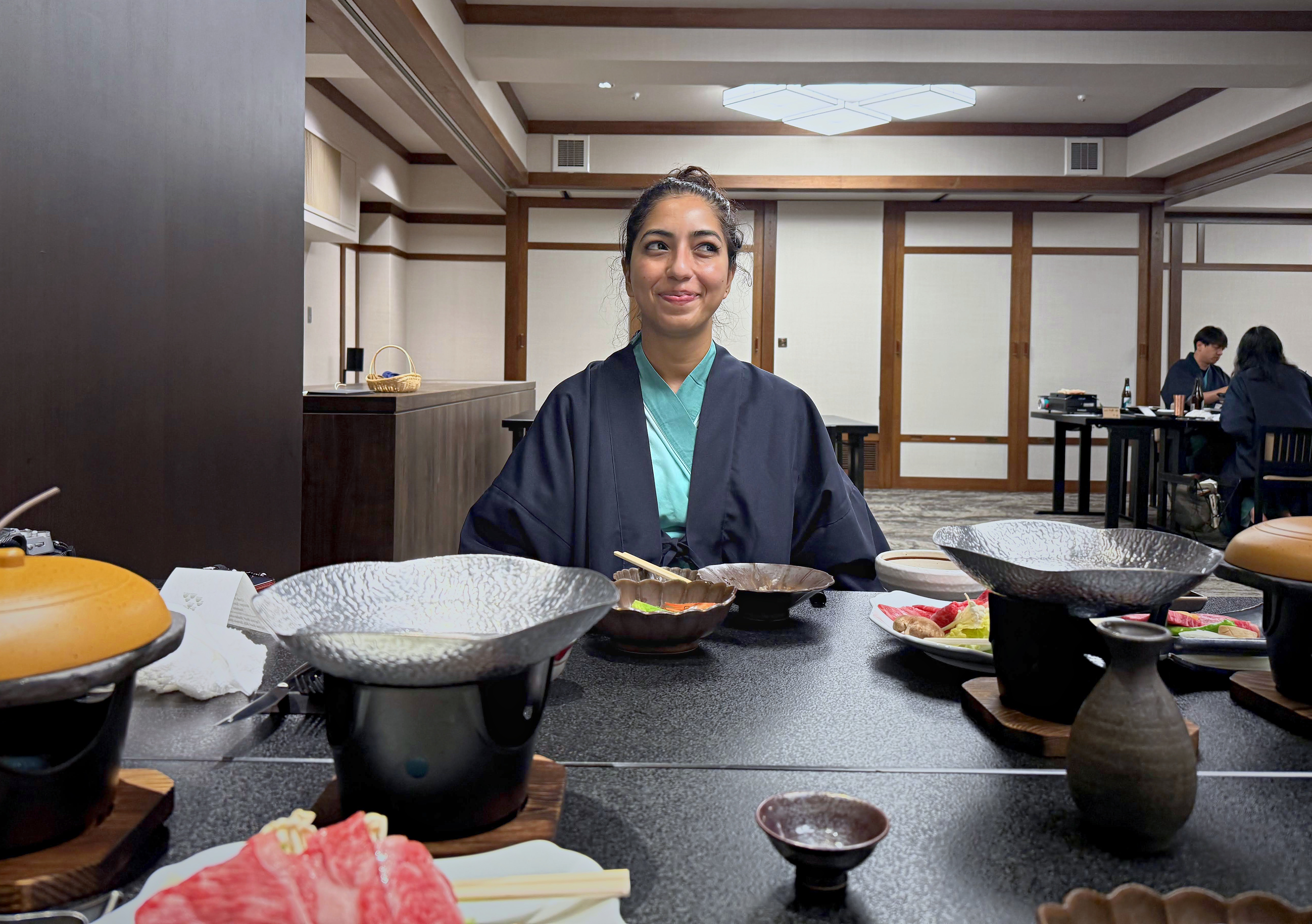
At Shinzan, they brought the sake cups to the table and let me choose my own, nine or so out of twelve options, every night I ate there. There was also a soybean snack I still think about. These small ceremonies are the thing you are actually paying for at a ryokan, so do not wave them away in the name of not being a bother.
DON’T book the ryokan late
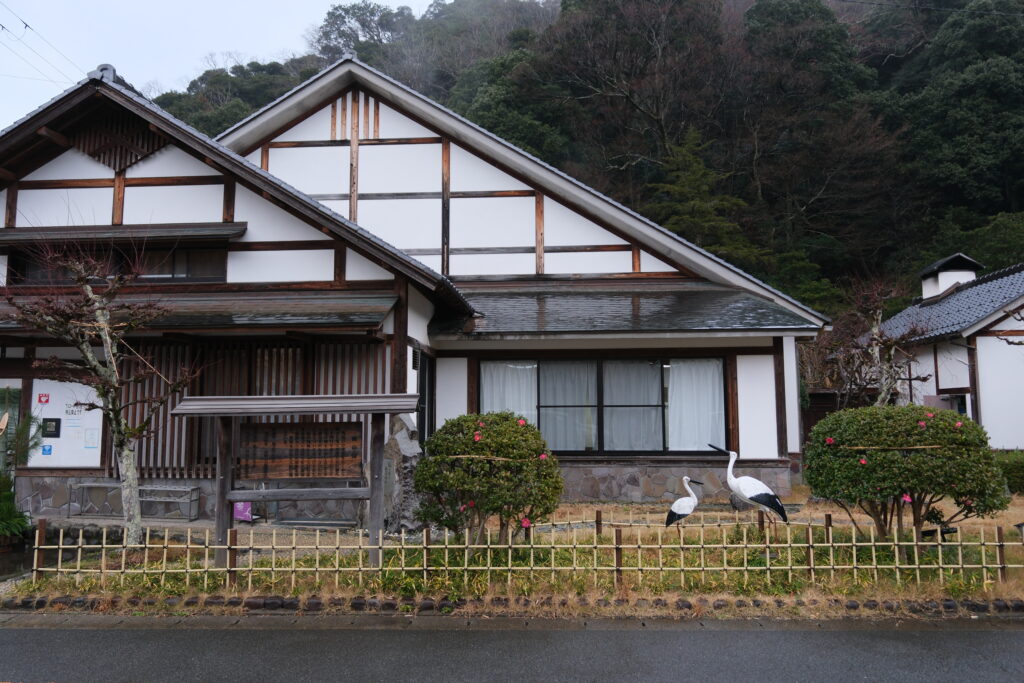
Kinosaki is small, and the good places are very limited. Winter is peak. Prices go up. And whatever is left at the end is rarely what you wanted. Book early, as in more than 6 months in advance. And you will pay less for something better.
DO come in winter
Cold, crisp air, a hot bath, crab steaming out the front of every second shop, and snow if you are lucky. Winter is when this town is at its peak.
But, if you can..
DON’T come during the Japanese holiday (a rule I broke)
Here is the one I didn’t follow: I think places that locals cherish should belong to locals first, especially over their own holidays. On paper, very righteous. In practice, my leave falls at the end of the year, every year, and winter is genuinely the best time to be in Kinosaki. So I am leaving it here as something to sit with, rather than something I am pretending I obeyed.
We left on the evening train to Fukuoka to see in the New Year, starting with a yatai I had booked for the anniversary. Kinosaki turned out to be exactly as magical as its name sounds, and I will be going back, canal-side next time.
Follow me on Instagram @KultureKween for more recent updates.

[…] you visit one onsen in Kinosaki Onsen, make it […]
[…] thing worth knowing if you are booking. In crab season, most Kinosaki Onsen ryokan run a matsuba-gani set alongside the standard one, built around crab landed at Tsuiyama and […]