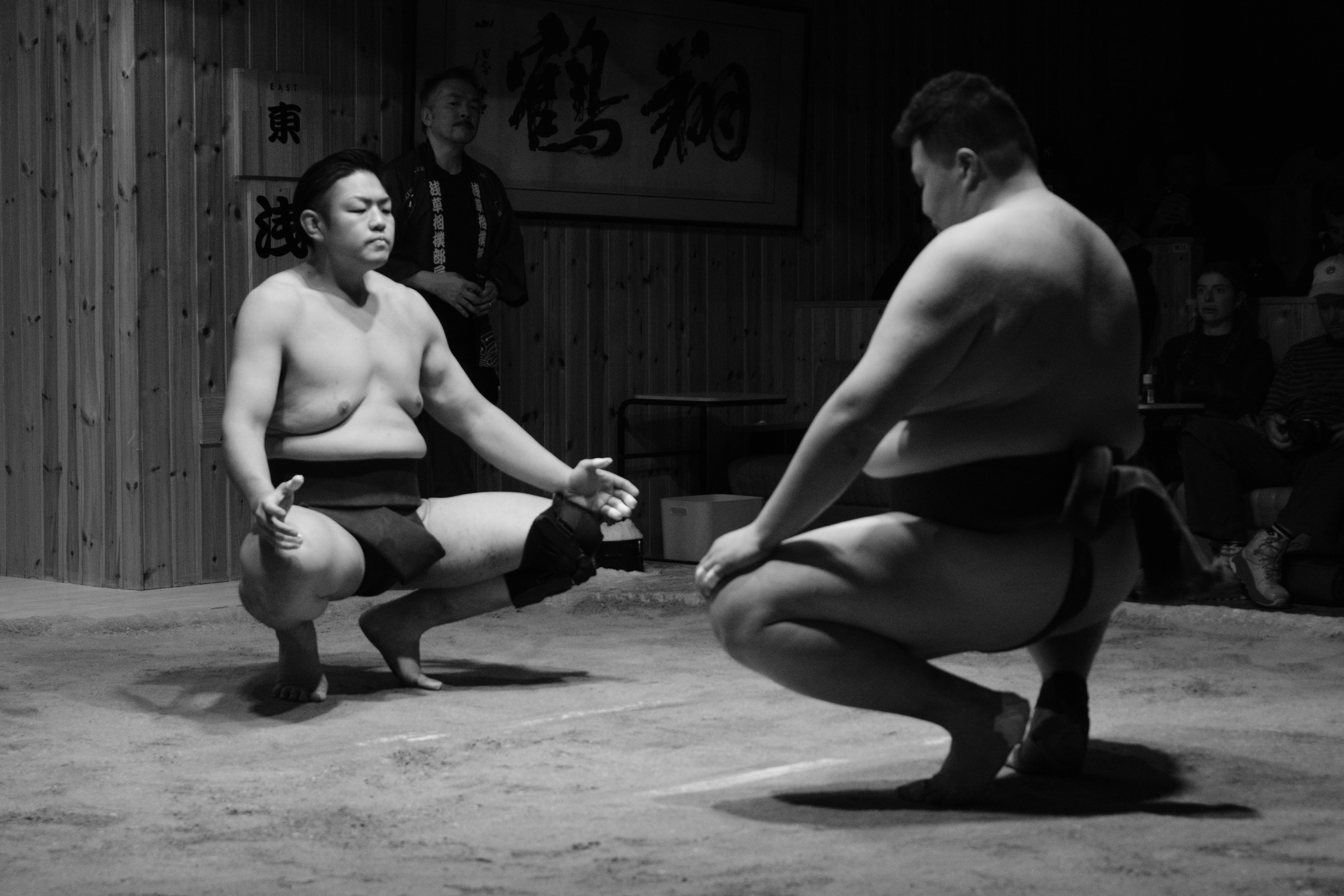
We went to watch sumo wrestling in Japan, one of the activities I planned for Fafa, despite having absolutely no interest in sumo whatsoever… or so I thought.
Asakusa Sumo Stable
We bought tickets for a sumo wrestling performance at the Asakusa sumo stable, where we were warmly welcomed and shown to our seats. I don’t think we had a formal VIP session, but we ended up with a corner spot—and I’m definitely not complaining.
The show opened with a song-and-dance performance by a maiko, who was incredibly graceful and captivating. It instantly brought me back to watching Kabuki in Kyoto many years ago. This was followed by a light-hearted and engaging segment on the history and culture of sumo, led by an MC who kept the energy high throughout.
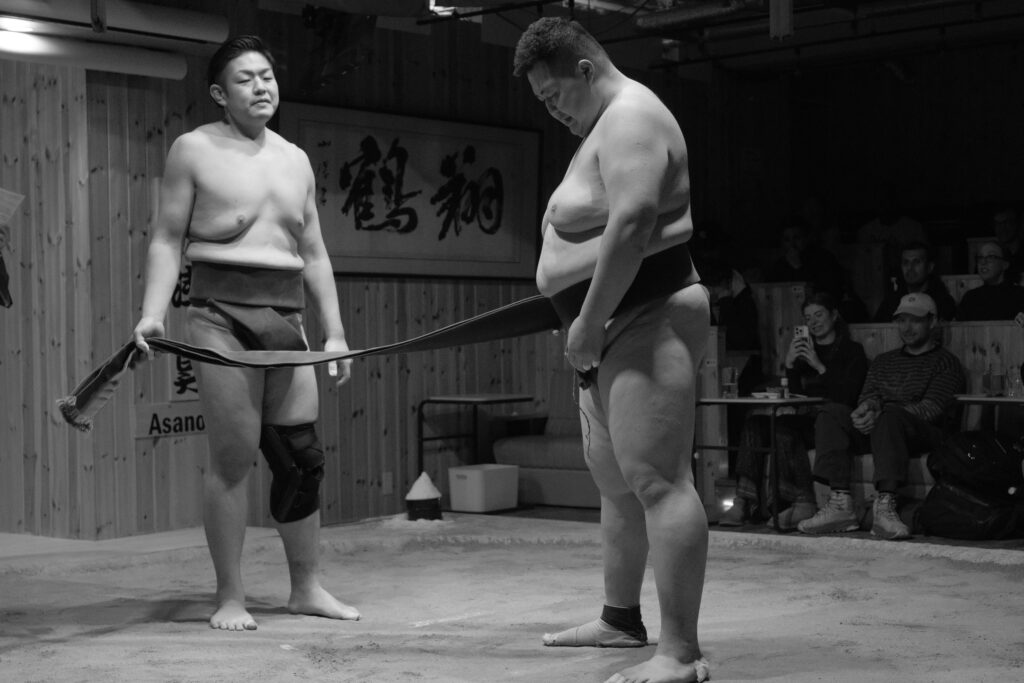
He introduced the sumo wrestlers, who shared more about the sumo lifestyle, their personal backgrounds, and their journey from training to where they are today. They then gave a brief sumo wrestling demonstration, including sumo rules and techniques, before moving into actual matches, three quick rounds lasting only a few minutes.
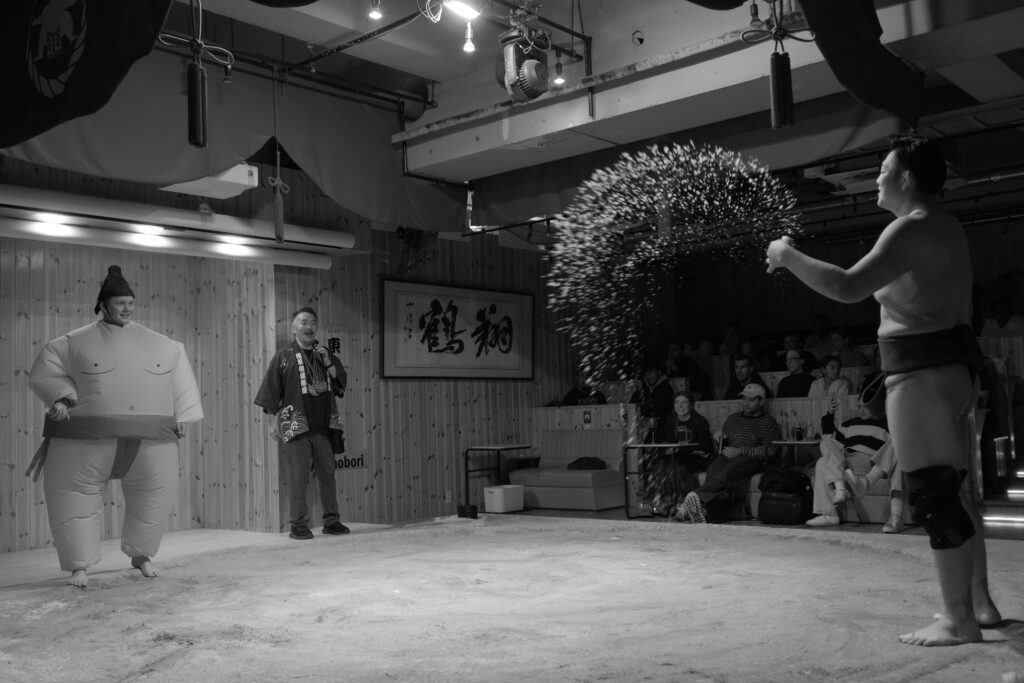
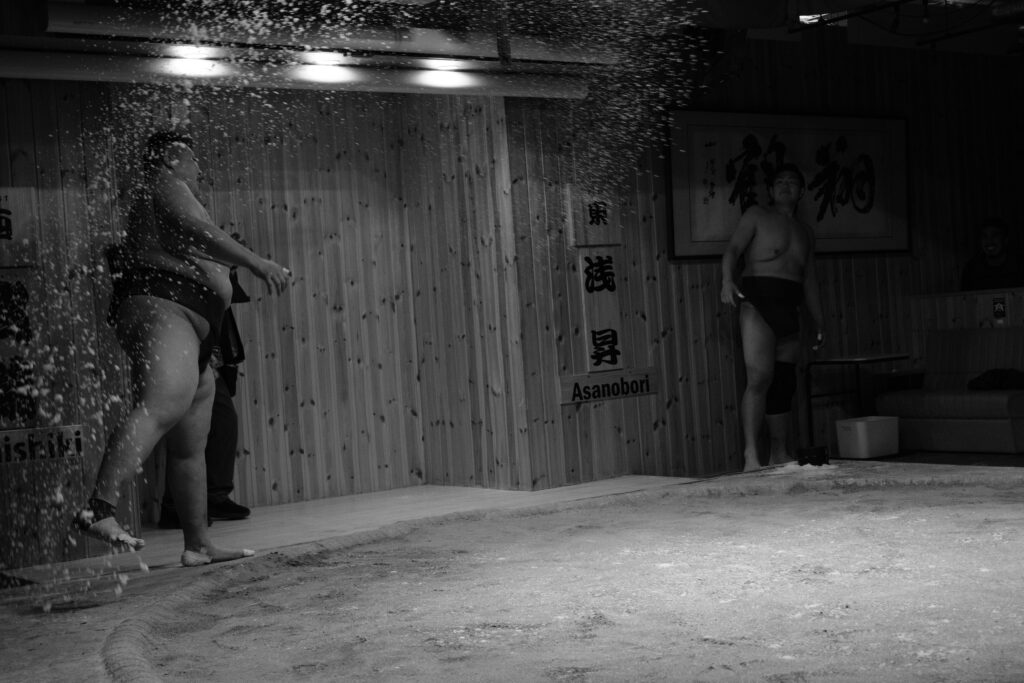
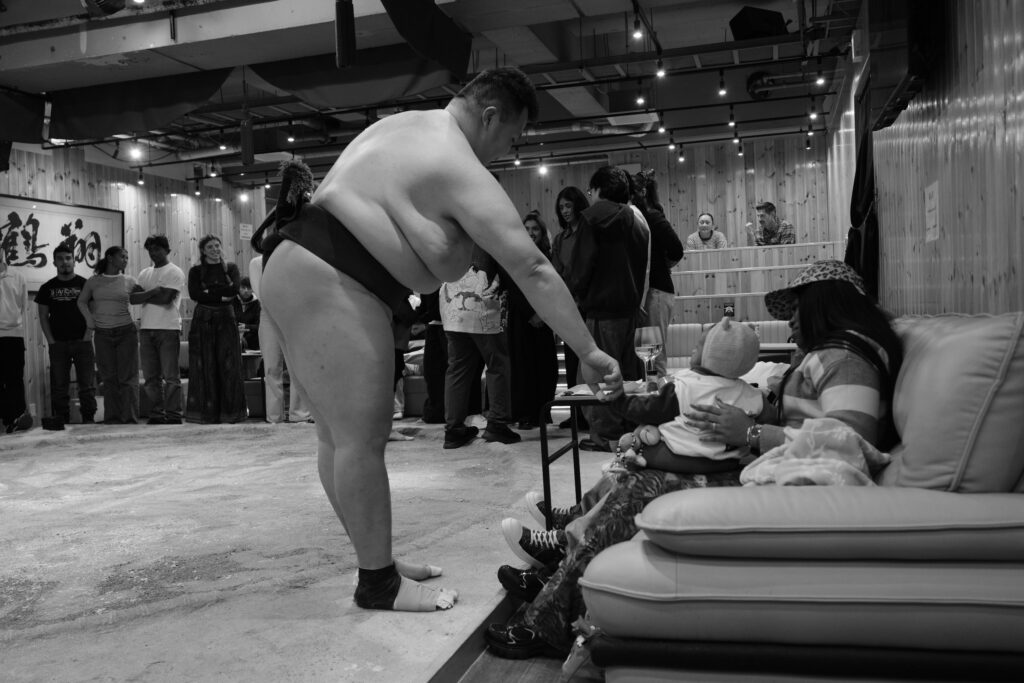
The whole experience was genuinely entertaining; we laughed so much throughout. The salt-throwing ritual before each bout, which is meant to purify the ring in Shinto tradition, was especially memorable.
Chanko Nabe of The Sumo Wrestling World
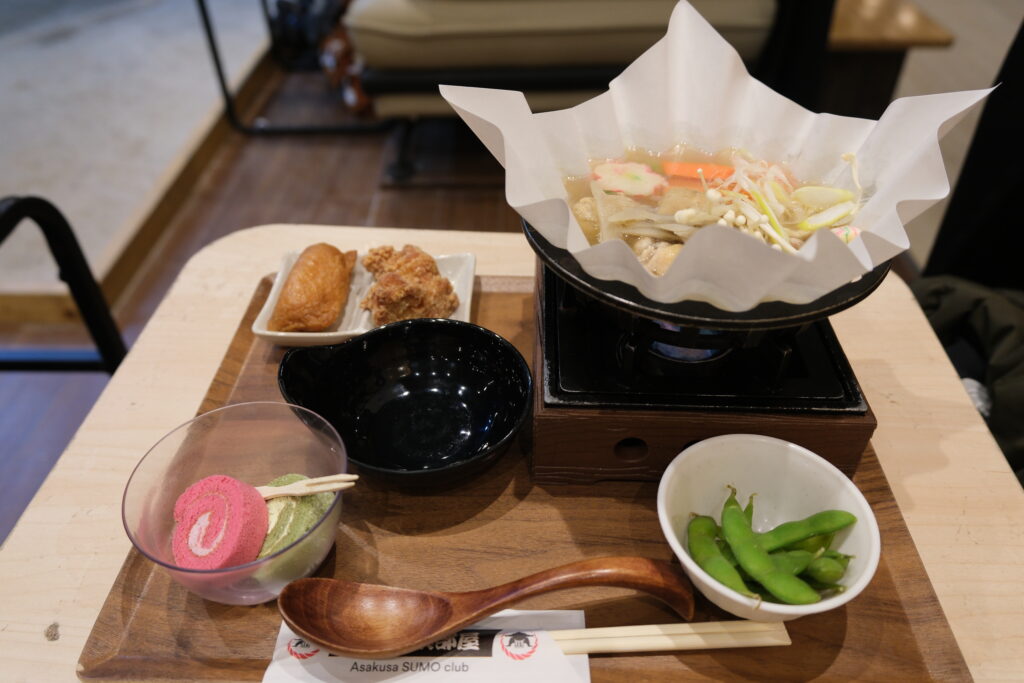
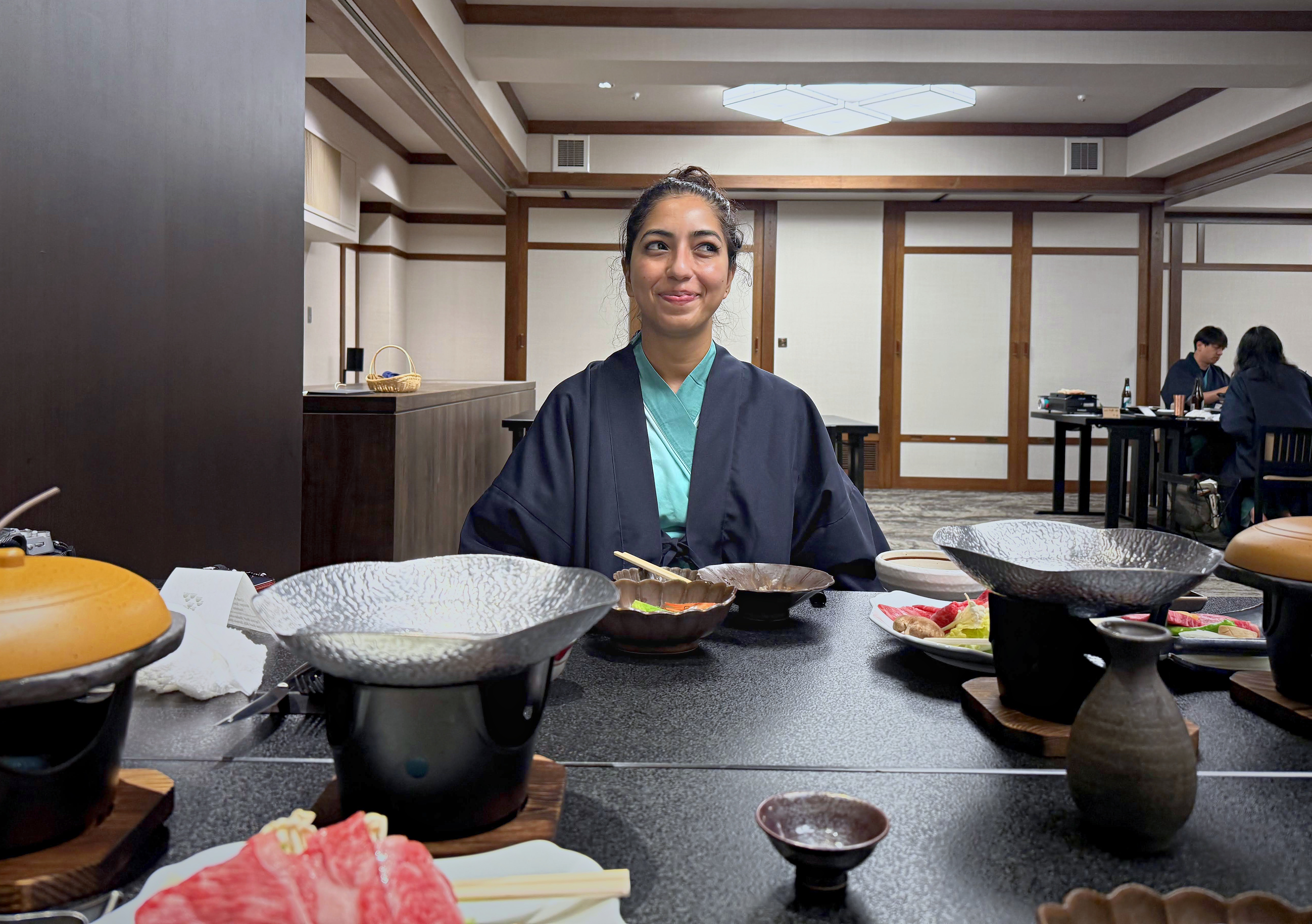
Almost immediately after we sat down, food started arriving: unlimited servings of Chanko Nabe (a hearty hotpot traditionally eaten by sumo wrestlers), inari sushi, and chicken karaage. We learned that chanko nabe is a staple of sumo life. Chanko nabe is a nutrient-dense hotpot typically made with a mix of protein, tofu, and a large variety of vegetables simmered in broth. It’s designed to be eaten in large quantities, helping wrestlers efficiently increase their calorie intake for weight gain and muscle recovery.
Beyond nutrition, it also has a strong cultural and communal role—meals are usually shared in a group setting within the stable, reinforcing hierarchy, discipline, and team bonding among wrestlers. Over time, it has become closely associated with sumo life itself, to the point that many sumo stables develop their own signature versions of the dish.
Beyond that, there is also an old folk belief that sumo wrestlers eat chicken because chickens stand firmly on two legs, symbolising stability and staying upright—an auspicious idea in a sport where remaining on your feet means victory.
I usually have low expectations for food served at shows, including hotpot, but this completely surprised me. It was so good that I went back for seconds, along with some sake.
—
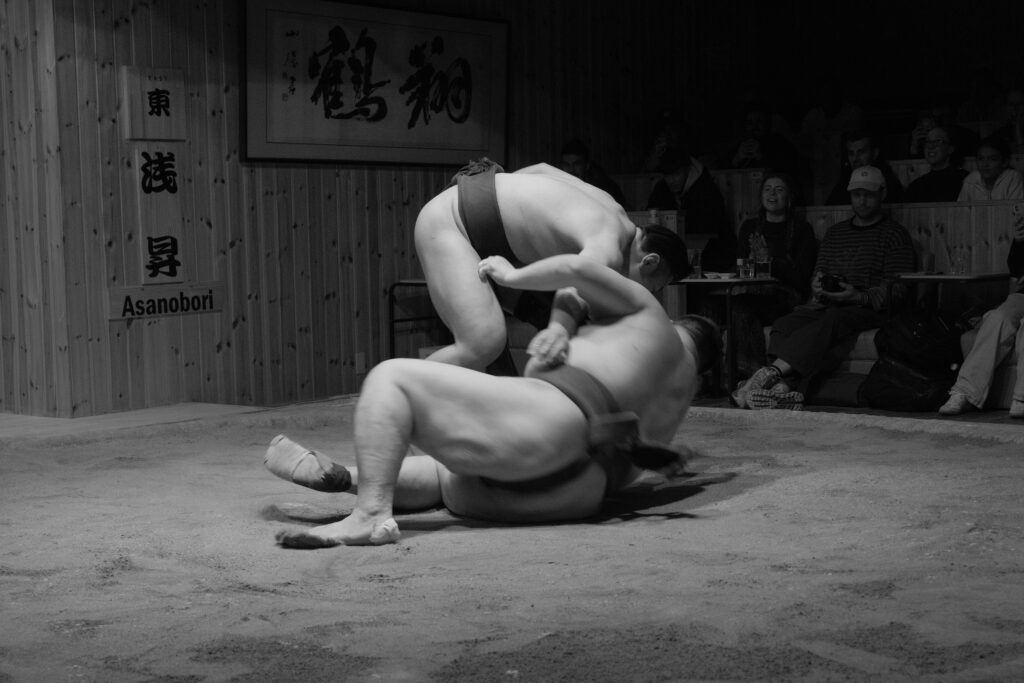
Eventually, the fun time had to end, and I left with a much deeper appreciation for sumo wrestling as both a sport and a cultural tradition in Japan. It truly felt like an evening well spent.
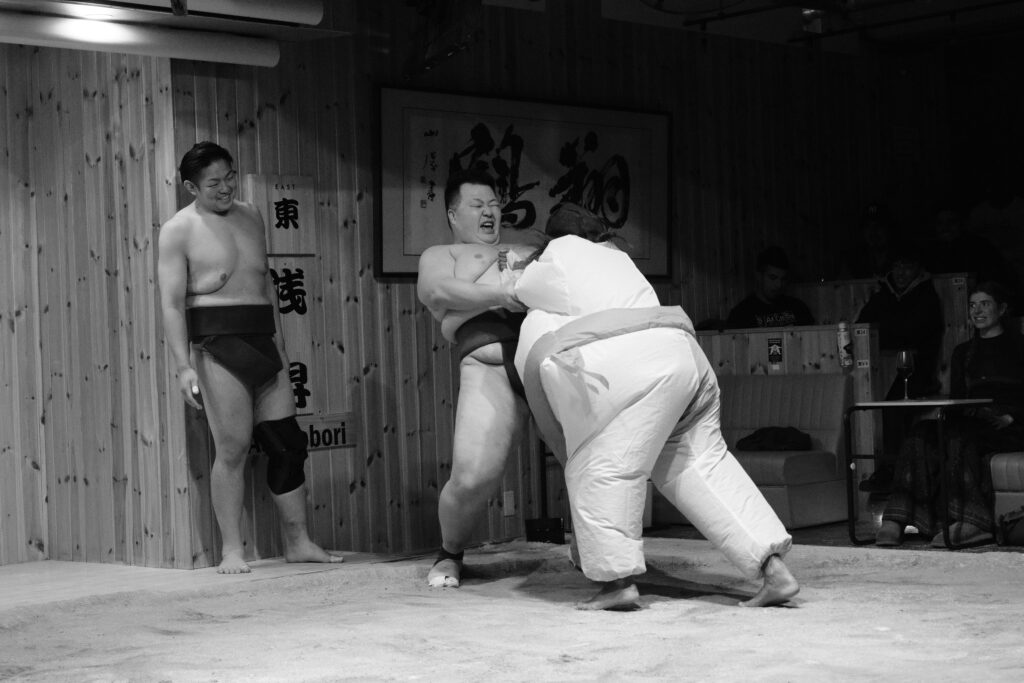
I’d love to do it again—but I do wonder whether it would feel quite as special as the first time, when I arrived with absolutely zero expectations of enjoying sumo at all.
Follow me on Instagram @KultureKween for more recent updates.

Let’s do it again 😊
Next time ya…
[…] block, nearly passing the Hanko Stamp 21 shop. I was on a mission: Asakusa for chopsticks and sumo wrestling show — but first, the Hanko […]
[…] first time I saw a complete Japanese Sumo wrestling match was on TV at one of the train stations in a rural Hokkaido town on my last trip to Japan. […]