You must know by now that I love Japan, so it won’t surprise anyone that half my luggage allowance goes on Japan souvenirs. One of the things I love most about this country is the sheer abundance of cute stuff. Buying it is easy. It is just not easy on the wallet.
I flew in with a list of things to do and things to buy, including presents for people back home. I am one of those people who genuinely enjoys the shopping-for-others part. Standing in a crumpled little souvenir shop a thousand miles from home, working out what someone would actually like, makes me think about who they are in a way I never do from my own couch.
The Japan souvenirs that made it into my overweight luggage
Katsuobushi
Katsuobushi is dried, fermented and smoked skipjack tuna, served shaved into paper-thin flakes.
I was introduced to it by Fia, who brought takoyaki to class as a snack. Weird-looking balls with octopus inside. Ummm. But they were warm and smelled good, so I ate one, and it turned out delicious. I would not mind some hot balls right now, actually.
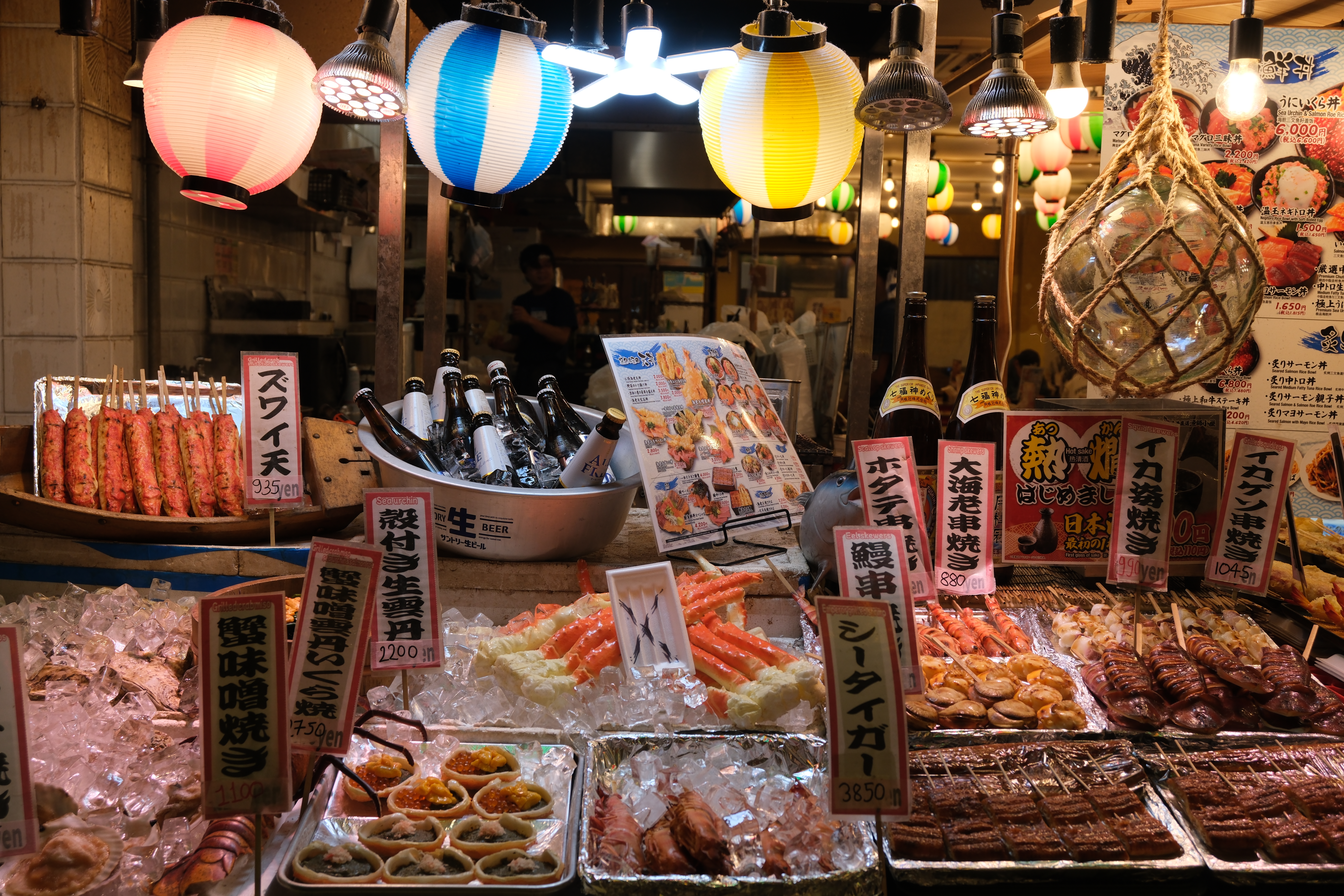
Japanese restaurants keep katsuobushi on the table in a tin, the way we keep chilli flakes or parmesan. For reasons I am assured are scientific, the flakes appear to dance when you drop them on something hot. Fun to watch, fun to eat, easy to pack. We saw it at Nishiki Market, but any traditional market will have it. Eat it on bread, on hot noodles, on rice. Try it. And when your kitchen supply runs out, you can order more online.
Geta
Geta are traditional Japanese footwear, somewhere between a wedge and a sandal, on a raised wooden base.
Jik reminded me to bring her a pair. “Don’t come back without it!!” she warned.
They are effortless to find. I saw them on people in traditional dress and on geisha everywhere. But they didn’t look comfortable, and I couldn’t work out how to buy a pair for a woman who follows Oprah’s rule about comfortable shoes. Until I found the soft padded version, the kind we wore around the hotel. I did briefly consider stealing our hotel pairs, one for her and one for me (Ross Geller, I am with you on this one), but before I could commit the crime, I spotted similar ones in Asakusa. So I got a pair each for her and Bolbol. I hope they like them.
One warning if you are buying for friends: Japanese feet are tiny. Get your girlfriends a boy’s size (the rectangular shape), and your guy friends something else entirely.
Strange-flavoured snacks
The classic. Perfect for guy friends, because it is food, it is weird, and it is interesting enough to tickle the macho side into trying it.
I brought back green tea, mint, banana and latte chocolate, chocolate-flavoured chips and an assortment of KitKats for Hulk. He liked some, threw out the rest, and was amused the whole time. Mission accomplished.
Anything from Muji
Oh, Muji. The holy grail of everything minimal and functional. My love affair with Muji has been rolling in the deep for years, and I have never once walked into a store without finding something useful. But Muji in Japan is ten times the Muji we get here. It has everything you could possibly want for a minimal, organised, well-labelled life. I came home with green tea powder (hot and iced), a traveller’s wallet and an unreasonable number of zip bags.
Yukata
The eastern equivalent of a T-shirt and jeans. I have been obsessing over it since I saw Jessa from Girls wearing one, and I arrived wanting to buy one, wear one and be photographed in one.
We got to try them as soon as we reached the hotel. I made Yin take pictures and sent one to my parents immediately, captioned “I look adorable in a kimono, don’t you agree?” No reply. They were probably asleep.
The yukata is comfortable, airy, and lovely, so I eventually caved and bought a black one with a pink flower design for 5000 yen. Yes, it is not cheap. But if you are going to splurge on one thing in Japan that is not Burberry Blue Label, make it a yukata. Imagine greeting your guests at home in it, elegantly. I am absolutely wearing mine to the next costume party.
Folding fan
A folding fan is a beautiful thing with a long history and pocket-sized dimensions, which makes it close to a perfect souvenir.
I got Amma a blue one with two goldfish on it, because she loves anything with a pair of fish. She says they remind her of her love for Appa. She loved it and has carried it everywhere since.
Think of it as the cheaper, more portable cousin of the yukata.
Maneki neko and other cats
On my first day in Tokyo, I learned how much Japan loves cats. And I love that Japan loves cats, because I love cats. It made me feel like I belonged there.
The maneki neko, the beckoning cat with one paw raised, is the country’s most famous good luck symbol, and it is genuinely everywhere. Fashion, television, manga, the counter of every second shop. Cat paraphernalia follows it around in every possible size and format, and it’s all ADORABLE. Enough to turn a non-believer into a cat person.
I didn’t buy a maneki neko this time, because Yin already gave me one for my birthday, and I am the resident crazy-cat-lady-in-training back home. Next trip. I could start collecting cat figurines properly, become famous for it, and get interviewed by whoever replaces Oprah.
Bring one home for the cat lover in your circle (cough, me), or for yourself, for luck.
Knife
Japanese knives are world famous, which I only properly understood while wandering around Tsukiji before dawn. The blades come out of Japanese sword-making tradition, and they are known for their sharpness and versatility. It is why sushi chefs make all that chopping look effortless.
I did not buy one. I could not think of a good way to explain a knife wrapped inside my onesie to airport security.
Lacquer bowl
A quintessential, quietly versatile thing that comes in unlimited patterns, most of them earthy. It suits any household, and you can use it for anything you can imagine, from dinnerware to somewhere to keep small treasures. In Tokyo, hunt for them around Yanaka.
Furoshiki
I cannot tell you when or how the furoshiki fascination started, but I have now gifted this large square of cloth to most of my friends. Most of them use it as a very large handkerchief and have no idea it can be folded into a bag, a bottle carrier or its own gift wrapping. I have made my peace with that.
Doraemon
Doraemon is a beloved manga character, a robotic cat who travelled back from the 22nd century. Depending on where you grew up, you either know nothing about him or, like me, you spent every Sunday morning of your childhood in front of him. If it is the second one, whoever you bring this blue cat home to will understand exactly.
One-size clothes
The best part of clothes shopping in Japan is the absence of a changing room queue. Urban Research, the local brand I swear by, does a one-size, genderless collection, so you can grab things for yourself, your family, and your friends without a single fitting.
Limited edition footwear
We saw a limited edition Air Jordan going for 3000 USD, apparently because of a stamp from some warehouse. I do not see it. But I know some of you are deeply into rare and expensive shoes, and Japan has a serious market for them.
Omamori and kami
Shinto is Japan’s indigenous religion, and it runs through most of the culture. It centres on kami, the gods or spirits that live inside things, and there are said to be eight million of them, which is the traditional way of saying countless. Mount Fuji is among the most revered.
Omamori, the little cloth amulets, are sold at every shrine, each charmed for something specific: safe travel, safe delivery, study, love, luck. This year I got myself a daruma one for victory, because that is what I want most right now. I have also brought them back for a friend’s safe delivery, and for Amma’s good luck. And plenty for myself.
You will find kami charms too, in tiny keepsake shapes for a keychain or a phone strap. We each got one at a Kyoto market, because we need luck and we prefer it pretty. I got one for Amma as well, so may she live a long and happy life.
This is my favourite kind of souvenir. Small, light, cheap, and it comes with a wish attached. “What did you get me from Japan?” you ask. Well, my friends, I got you success, wealth and good luck.
Lavender
Some of the best souvenirs are regional, so your list changes depending on where you land. If you land in Hokkaido, and especially in Furano, the gift shops turn purple.
Do not think twice. Stock up on lavender for your boss, your aunty, your cousins and your exes, because lavender is a universal souvenir. I came home with a keychain, a fridge magnet and dried lavender that will last for months. I also posted a lavender card, with real lavender stuck to it, to my BFF in Sydney.
Electronics
Some electronics are cheaper and more current in Japan, including Apple products, especially if you know where to look for a deal. I bought packs of Instax film for half of what I pay here. Side note: I was very tempted by the Instax Wide. Neither my luggage nor my credit card agreed.
Japanese literature
I have been deep in modern Japanese literature since Norwegian Wood. What pulls me in is the vagueness of the storylines and how beautifully it’s presented. Not all of it is easy to find online, especially if you do not already know what you are looking for, which makes a book a genuinely good souvenir. The most recent one I brought back was a haiku collection, because I have been living in poetry lately.
Cute socks
If it were up to me, I would wear a different pair of socks every day for the rest of my life. If money had been no object, I would have bought every pair in the picture above, except the Frozen ones. I do not get Frozen. Perhaps I am too old.
Socks make an excellent souvenir. Affordable, tiny, functional, and did I mention cute? I got the Inside Out ones for my cousins. And for myself, obviously.
Cult make-up brands
Kose, Cure, and the rest. I learned this one from Yin, who actually jumped for joy when she found the brand she is devoted to, then stocked up for the entire year. I would love to know whether she is still using it, and whether that stockpile ever ran out.
Japanese ingredients
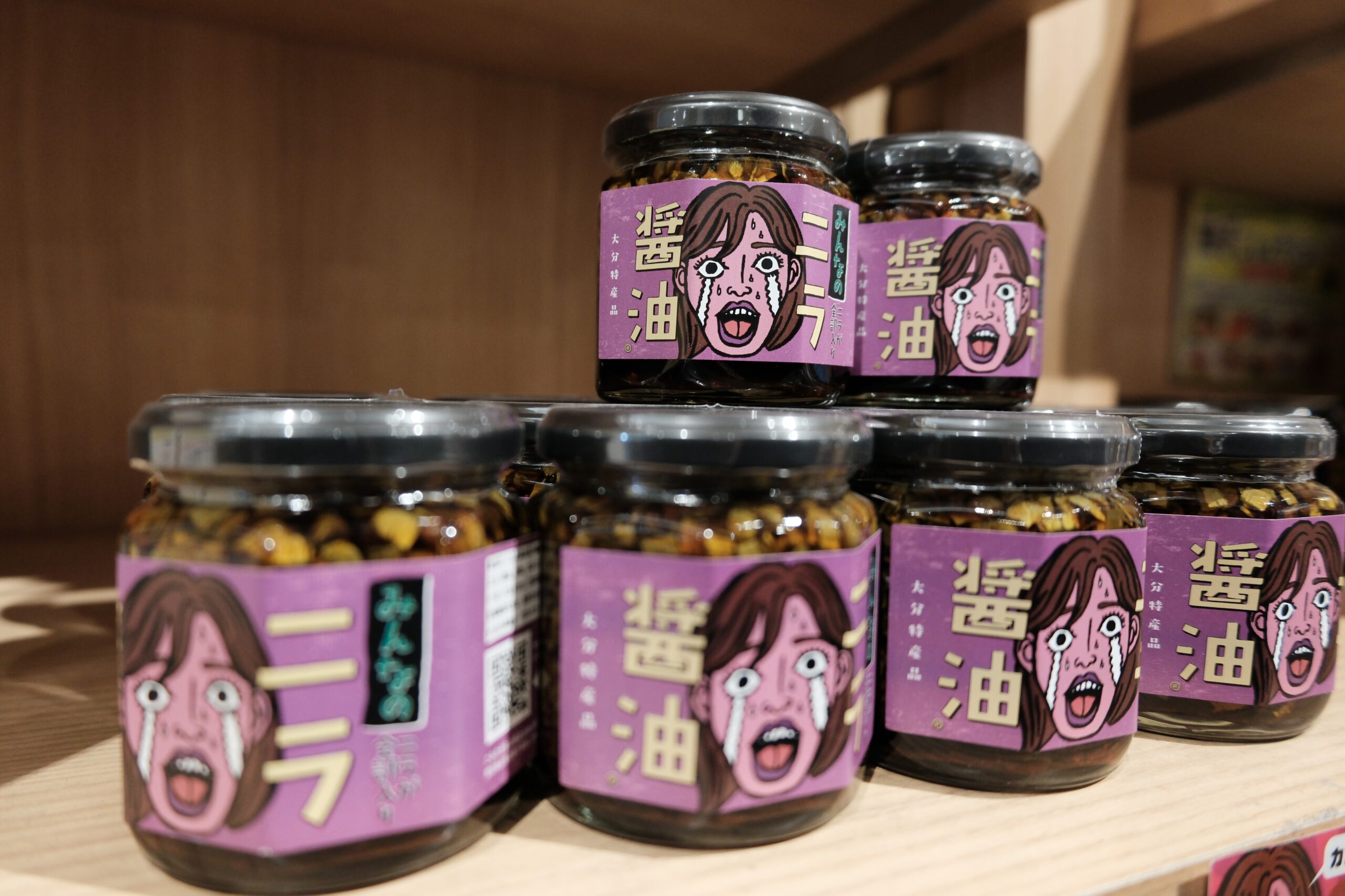
I brought back an unreasonable quantity of Japanese cooking supplies. Miso paste. Coloured seaweed to scatter over rice. Soba, which we can get perfectly easily at home, but which felt more authentic bought there. I also came back with wasabi in three colours. Why? It is not as though we make sushi at home.
Cheese
Who knew Japan was famous for cheese? Hokkaido is the heart of it, with Otaru and the wider dairy country turning out some very good stuff.
If you are not going that far north, there is a Cheese Garden at Tokyo Solamachi, at the base of the Skytree. It is a Nasu brand, best known for its Goyotei cheesecake, and at tea time you can order an assortment of five cheesecakes in one sitting. You can thank me later.
Japanese pottery
Japanese pottery is famous, high quality and distinctive, and it is always packed properly for travel, which matters more than you think when you are carrying it home. It is lovely to bring a bit of it back, and extra points if you find something with a hint of wabi-sabi. You can find it almost anywhere, from Asakusa to the shopping streets of Osaka.
Anello bags
Everyone is doing it, so why not? I do not fully understand the appeal, but this is the bag of Japan. It reminded me of the Cambridge satchel, which had its own moment once. I got myself one, and so far I like it. I can see a lot of travel in its future, and a lot of days when a backpack beats a handbag. I might even take it to work, if I am not too embarrassed.
Horse oil
I made an ugly frown when my coworker said those two words, seconds after I told him I was going to Japan. My first thought was, is it appropriate to ask your female colleague to bring you back a manhood booster, even a Japanese one?
Well, no. Horse oil is a lotion-like skincare product, used in China and Japan for centuries and believed to be very good for the skin. I am well aware of how flawless my Chinese friends’ skin is, so I was intrigued.
When I asked where to buy it, he said anywhere. Normally I resent that answer, because anywhere, anytime, and anything all feel lazy. This time anywhere really did mean anywhere, thanks to a drugstore on every corner of Tokyo (rather like Starbucks in Seattle). I tried it myself, and it is good stuff, hydrating for hours. I bought one for a friend too, and it was worth every yen for the suggestive hints I got to pass on with it. Muahahaha.
Japanese tea
If you live elsewhere in Asia, as I do, ordering green tea in a restaurant usually gets you a Chinese green tea bag. That tea is excellent. It is also nothing like the real Japanese thing, which is much richer.
We had our first proper cup at the sushi place we went to on our first night. They gave us a cup of green tea powder and a small glass of hot water, and let us mix it as strong as we liked. Half a spoon was more than enough.
Japanese tea comes in every flavour and every kind of beautiful packaging, which makes it the ideal last-minute souvenir for the person you forgot. That is precisely what happened to Yin and me. We remembered our managers at the very last possible minute at the airport, when the pile of paperwork waiting on our desks flashed into view. Mountain of paperwork, then boss’s face, then Japanese green tea from duty-free.
Origami
Origami is the Japanese art of folding paper, and the crane is its most famous form. I spent the whole trip trying to convince my friends. “It will not be complete if we go home without something origami,” I nagged. They ignored me. The origami spirit did not.
On the last day, we went back to Asakusa to collect Vi’s phone, which she had left at our first ryokan and which the owner had kindly kept for her. A shop owner handed me a paper crane. “For good luck,” she said.
I was collecting a lot of good wishes in Japan, and I loved it. One crane down, 999 to go. I did not buy mine, but it makes a lovely thing to give.
Mt Fuji O2
And if none of the above is eccentric enough for you, there are cans of air collected from Mount Fuji. Oxygen. In a can. It does not get more Japan than that. If you cannot make it to the mountain, the mountain air will come to you.
Disney Tsum Tsum
Disney stores are scattered around Japan, including a three-level one in Shibuya. Go in and enjoy the Mickey, the memories and the sheer uber-cuteness. I got Jasmine bracelets for my cousins and Disney baby things for the kiddos.
Marimo
Read all about this green blob here. It is small, it is meaningful, and it will stay attractive for a very long time. Get one, or ten. I bought one each for a colleague, my Sydney BFF and myself.
More souvenirs from Japan, in no particular order
Goshuincho, dorayaki, self-heating masks, coffee butter, bento boxes, stationery, notebooks, stickers, crystal, flavoured water, mini kokedama, seaweed, manga, umbrellas, anime characters, anything sakura, kokeshi dolls, daruma dolls, small comb in Japan for my travel bag, fancy Tamagotchi, Japanese incense, thin bath towels, Bento Box, lacquer box, bath salt, pillow, amomori, gapcha inside, bath salt with gapcha.
I hope this list inspires you to shop for the people you love. Or to send me kawaii things. Or to send me to Japan so I can buy them for you.
If you want more, read the first instalment of souvenirs from Japan, which famously does not include seaweed. Hence the title, which is admittedly one of the strangest ever posted here. Eh.
Stay awesome.
Follow me on Instagram @KultureKween for more recent updates.