Have you ever thought about how your culture shapes the way you travel? The thought came to mind when I teased my cousin for packing a few bottles of chilli sauce into her luggage every time she flies overseas. As a culture-curious person, I started wondering which of our travel habits are actually shared.
Chilli in the carry-on
It’s no secret that Indonesians love our spices, especially chilli. It is deeply embedded in our food culture.
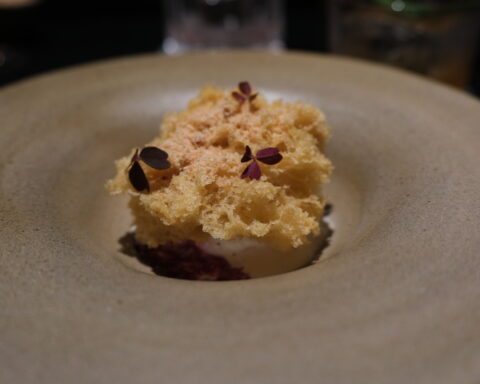
The same cousin’s latest chilli saga involved her arguing with a chef at a top restaurant in Bergen, who asked her not to bring outside food while dining in. The so-called outside food was, yes, you guessed it, a bottle of chilli. Her point was that it was a condiment. I understand where both sides came from. The chef wanted us to enjoy the food as he had prepared it, but to be fair, the food was pretty bland for an Indonesian palate.
In the end, she hid the bottle in her bag, but only after putting a generous dollop on the plate, which NGL I dipped into as well. Because yes, I teased her chilli habit endlessly, but I was also secretly glad she brought it, especially on that Scandinavian view so good, food so bland trip. And although I am never going to admit it to her, I carry chilli too. Indonesian chilli flakes, in my case. I took those bottles everywhere I ate during my first few years in Melbourne, and I still do when I have lunch at the office.
Sometimes I also carry a pack of Pop Mie, because Indonesian instant noodles are easier, cheaper, and definitely tastier than most alternatives.
Oleh-oleh, Omiyage, the souvenir you bring home
One distinct difference between Australian and Indonesian culture, which I only noticed after moving to Melbourne, is that bringing souvenirs home for your mates isn’t the norm here. In Indonesia, nine times out of ten, I am sent off with a half-joking “don’t forget oleh-oleh” the moment I share my travel plans.
Oleh-oleh is the souvenir you buy at your destination and give to your loved ones, including friends and office mates. The tradition isn’t as strict as omiyage in Japan, but it is still somewhat expected.
Personally, I would like to think the oleh-oleh tradition is not as prevalent as it used to be. Then again, that might just be me giving less of a f about buying things for other people when I travel, except for my parents.
Weather-bound
This one might not be a travelling Indonesian problem at all. It might just be me. But hear me out.
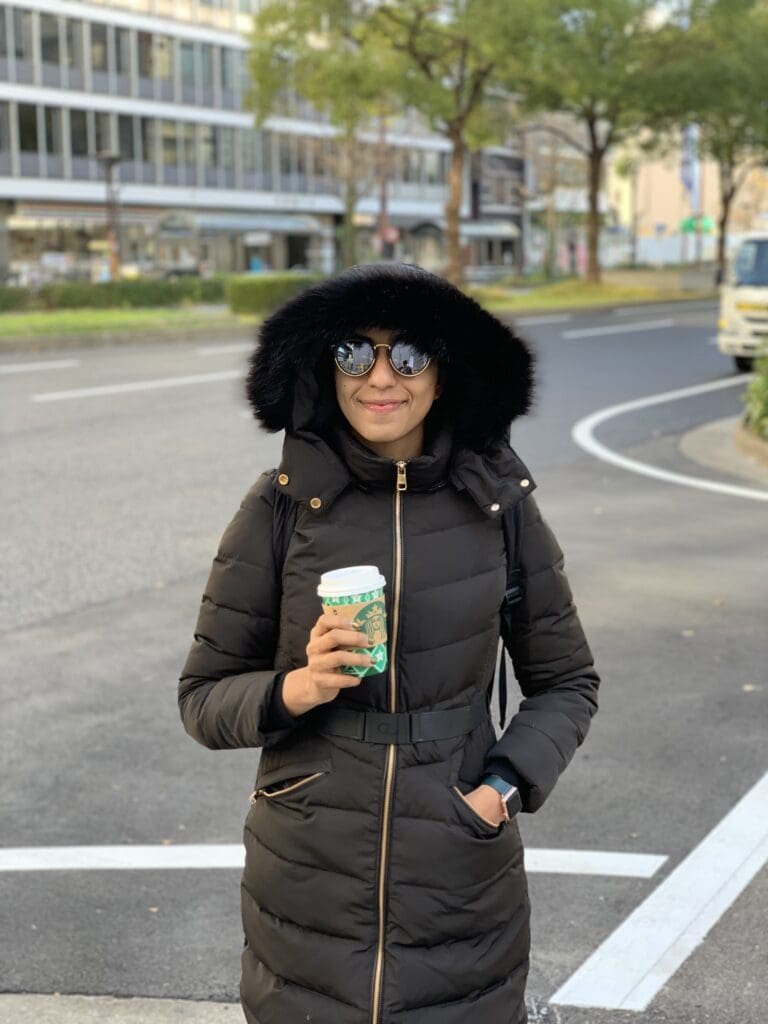
I grew up in Indonesia and never ventured much outside the equator until I was 25, so it took several trips before I understood that, unlike the forever 32 degrees of sunny Indonesia year-round, there is no standard temperature for winter or summer.
Summer in Perth is not summer in Japan, and summer in Japan almost killed me. Autumn in Amsterdam looks and feels like autumn in Auckland. Even 20 degrees in windy Melbourne is not 20 degrees in sunny Sydney. Every kind of weather needs a different set of clothes depending on the country, the city and the position of the moon.
Hunting Indonesian Food
Unlike the previous point, I can attest that this isn’t just me. We like to eat Indonesian food when we travel, myself included.
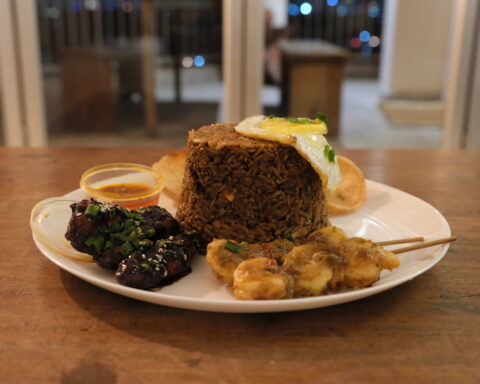
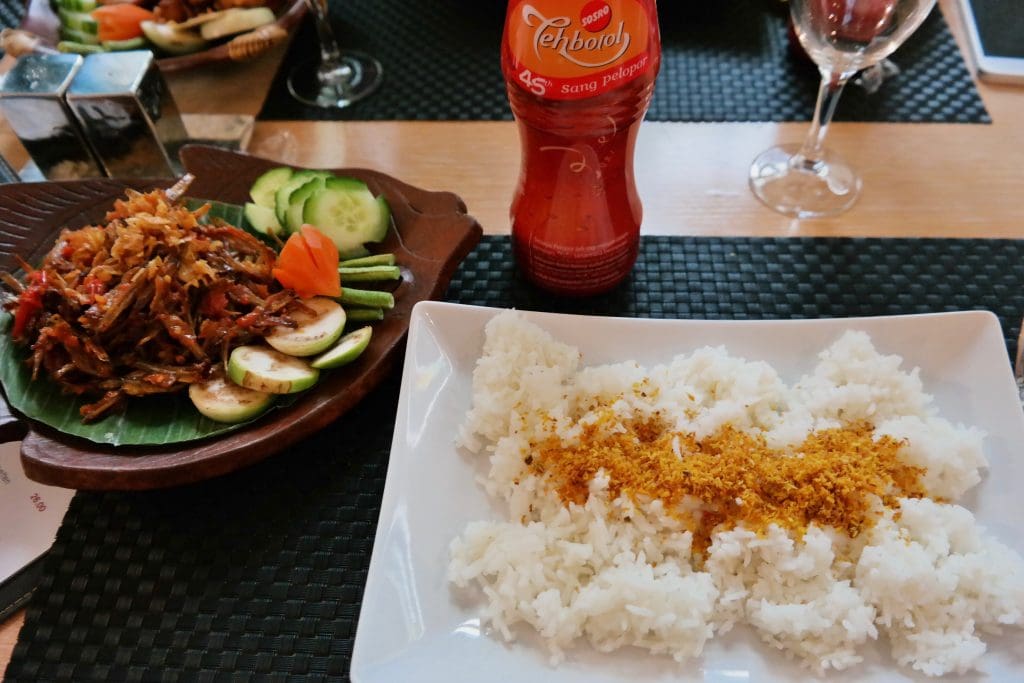
It is not a must, and I do not want my first few meals to be Indonesian food. Still, there is an inherent curiosity about how Indonesian food turns out overseas, usually good but expensive. When it is good, there is an undeniable sense of pride, and something to report back to the next Indonesian heading to that part of the world. It is also nice to be reunited with rice, sambal and Teh Botol after days and days of eating another kind of food. And it is not that easy to find Indonesian food when you travel, compared to Chinese or Indian, so there is a thrill to the hunt.
Teh Botol deserves its own line. We love it wherever we go, and if we spot one in a fridge halfway across the world, we buy it, and we drink it. It does not matter what the shop is charging or whether we are even thirsty.
More of my overseas Indonesian food adventure: A Cheat Sheet for Indonesian Food in London / Rijsttafel-ing Indonesian Food in Amsterdam / Indonesia Food in Zurich My Most Expensive Meal in Switzerland / Authentic Indonesian Food in Seoul at Bakso Bejo Korea / It’s Java Authentic Indonesian Street Food in Auckland / Makan A Celebration of Indonesian Cuisine in Melbourne / Rasa Rosa A So So Indonesian Food in Canberra / Indonesian Restaurants in Cairns / Indonesian Food in Darwin Leaves Something to Be Desired / I Tracked Down Indonesian Food in Reykjavík Iceland / Ravintola Bali Best Indonesian Meal in Scandi Region / Cabe A Culinary Delights of Indonesian Cuisine in Tokyo / Traiteur Le Surabaya Noumea Indonesian Restaurant in South Pacific.
The visa admin
Kind of a sour subject and not really culture-related, but an Indonesian passport shapes how you travel more than any habit on this list.
Travelling as an Indonesian means checking visa requirements wherever you go, and most of the time you will need one. As of today, an Indonesian passport gets you into around thirty countries with no visa at all, or somewhere in the seventies once you count visa on arrival and eVisas. Out of nearly two hundred. For perspective, Indonesia is the world’s 14th-largest and 4th-most populous country.
Having an Indonesian passport adds an unwanted layer of tension to travel preparation. Everything needs to be sorted at least two months beforehand, and it is significantly more expensive because visas and visa preparation are expensive. From personal experience, visa submission has never been pleasant, except for Japan.
Tolak angin sachets
Masuk angin is not a diagnosis you will find in a medical textbook, but it’s why my suitcase has always had its own small pharmacy. The chilli is for the enjoyable part of travelling. This corner of the bag is for the aftermath, and it is smaller, cheaper and far more suspicious-looking at airport security.
Tolak angin, I must say, is a new addition that comes with age.
Tolak angin is a herbal liquid drink that does not really taste fun, but we Indonesians believe in its potent power. A box of it will always be in my luggage, especially if I am travelling in winter.
These days I see a lot of similar things in Korean and Japanese convenience stores. The little bottles by the register, promising you your energy back. Same idea, better branding. But this one has been passed down through two generations in my family, so it doesn’t feel like a wellness trend to me. It is just what you drink when you feel a bit off, and you are not ready to say out loud that you are getting sick.
And I loved it when Nikki told me she loves it too. Convert number one.
Koyo, the medicated patch
Koyo is the patch. You know the one. Beige, medicated, smells like a grandmother’s handbag, and stays stuck to you for hours.
I do not travel without a sheet of them. Long flight, aggressive aircon, a neck that has been at a forty-degree angle for nine hours: koyo. Overnight bus: koyo. And yes, sometimes on the temples, which I will only do behind a hotel door, because the airport is not ready for me.
The smell gives you away immediately. If you have ever walked past someone on a night bus in Java, you already know which row they are in.
Minyak kayu putih, the eucalyptus oil
If tolak angin is the drink and koyo is the sticker, minyak kayu putih is the smell.
Cajuput oil, green bottle, and the smell of every Indonesian childhood I know. I use it for everything, and none of it is scientific. Cold pain: on the stomach. Mosquito bites: on the bite. Feeling faint in a long transit: two breaths under the nose and carry on. It is also the oil you need if anyone ever offers you kerokan, which is a whole other post.
My mum packs it. I pack it.
There you go. These are the things I can think of, for now, that set us Indonesians apart while travelling. Some of it is pride, some of it is admin, and three of them live in a small pouch that will never make a proper packing listicle but will always make mine.
Follow me on Instagram @KultureKween for more recent updates.