The train from Kyoto to Uji is unremarkable in the way that meaningful journeys often are. A simple local line, about half an hour long, carrying a few commuters, a peculiar student, and—quietly, reverently—matcha pilgrims like me. Outside the window, Kyoto city loosened its grip, giving way to low houses and the stillness of a smaller town.
I was on my way to Uji to honor my decade long matcha-drinking habit—ritual, perhaps, if I want to make it sound more decadent. It is one of the first traditions I brought home from my first trip to Japan.
Matcha Pilgrimage to Uji
Matcha, simply put, is green tea in its most complete form. Instead of steeping leaves and discarding them, the entire leaf is stone-ground into powder and whisked into water. One consumes everything. The taste is deeper, fuller—grassy, slightly bitter.
My relationship with it began quietly, then grew into ritual. Morning bowls before work. Afternoon resets. Moments of stillness disguised as routine. It has followed me through Singapore, Jakarta, and Melbourne, nurturing and comforting me through different grades of matcha, three bowls, and a collection of broken whisks.
Since then, I have been to a Japanese tea ceremony—twice, if memory serves me right—but it was a visit to a Japanese teahouse in Bali, during a conversation with the apprentices about Uji, where they sourced their tea, that truly piqued my interest.
I, too, wanted to go to Uji.
Thirteen months and some days later, I arrived in Uji on a gloomy morning, with Fafa in tow—bribed with the promise of a fun evening back in Kyoto.
My Uji itinerary was simple: have some matcha, buy some matcha, and look around a bit.
But that plan stopped at the first matcha store we saw, when we realised it had a beautiful café in the back. I now had to sit and have matcha here. There was no alternative as I told Fafa.
Matcha Soba Breakfast in Uji
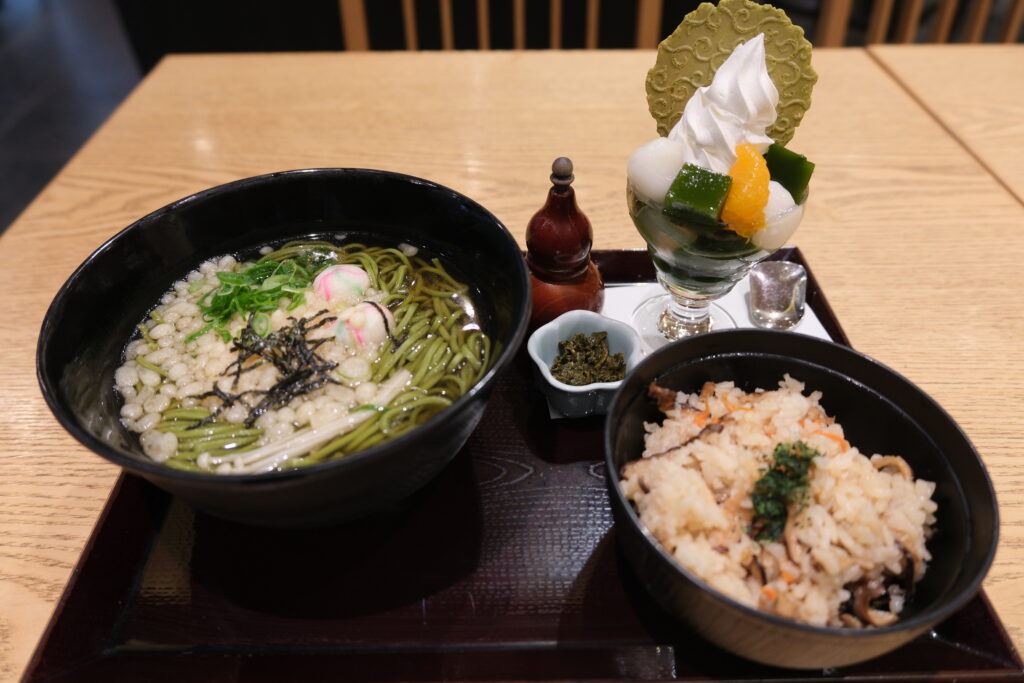
Again, the plan was only to try the matcha, but I ended up ordering the most elaborate item on the menu: matcha soba, which came with rice, pickle. Also wagashi, and Gyokuro. Fafa, showing restraint, ordered only a matcha parfait.
Gyokuro
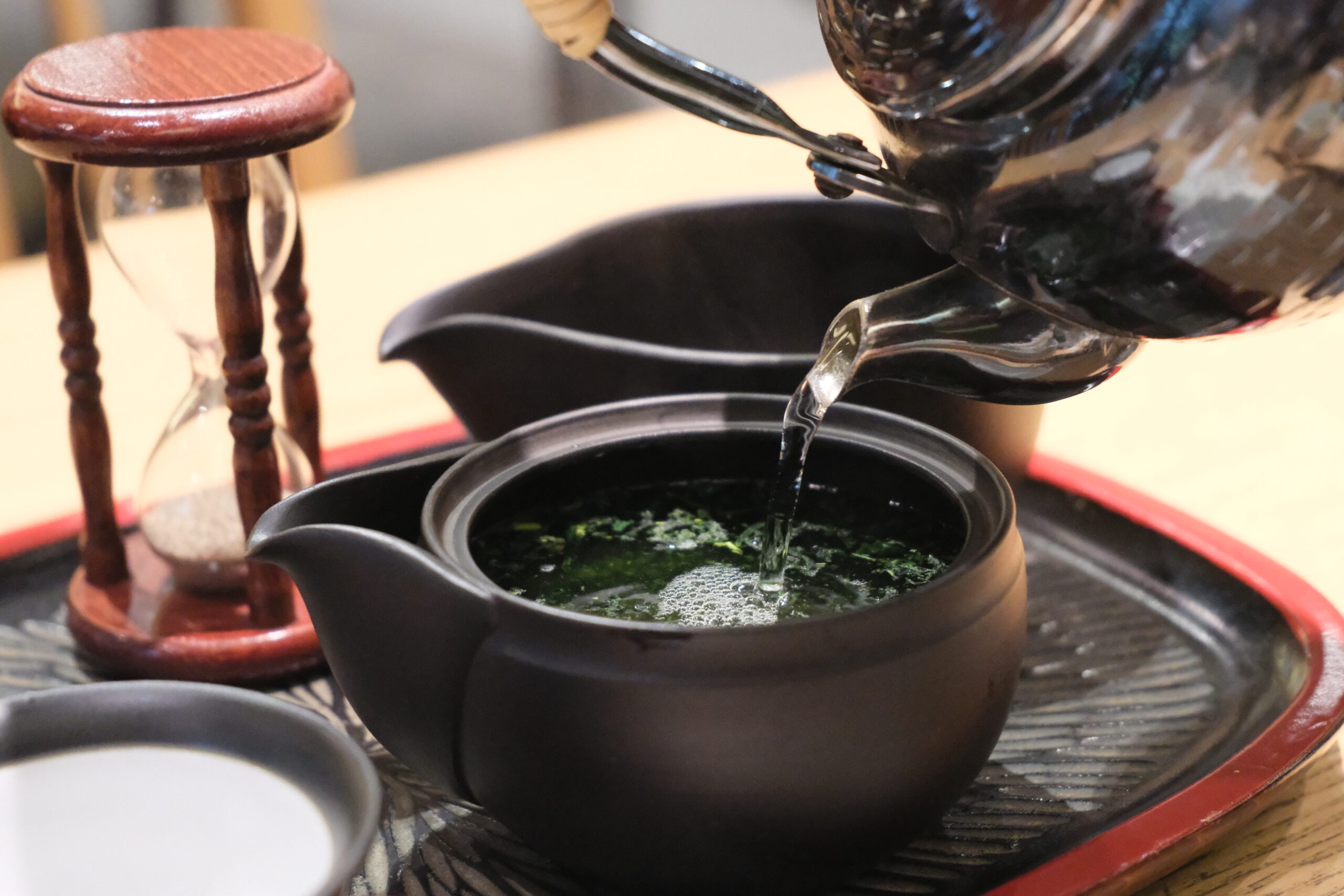
The gyokuro arrived with instructions and a small hourglass, a quiet reminder that this was not a tea to be rushed.
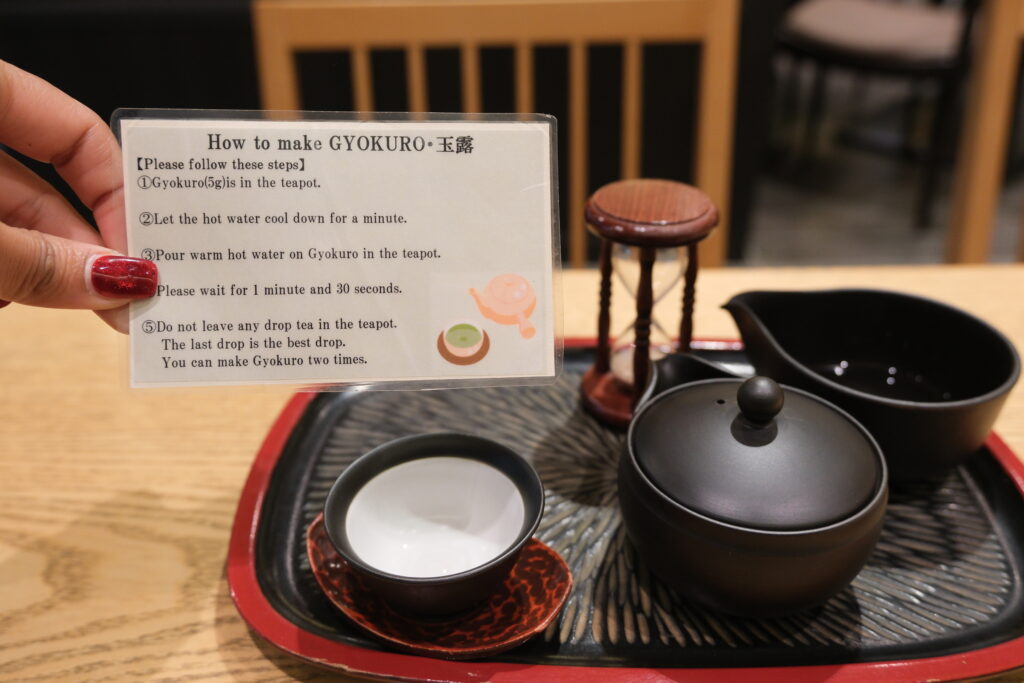
Known as “jewel dew,” gyokuro is shade-grown, which gives it its deep color and distinctive sweetness. When brewed, mine was soft and clear, like pale green light. The first sip was gentle but layered, with a natural sweetness and a subtle savory depth that lingered longer than I expected. It asked for my full attention. For a moment, nothing else mattered except being there, holding the cup, and drinking it slowly.
Satisfied and happy, we walked around Uji. I had expected a more touristy town, but it was quiet and felt like a normal town for locals.
Byōdō-in Temple
At the end of the main road, we passed through a torii gate and eventually reached Byōdō-in. The temple was tranquil and beautiful without trying to be. The water surrounding it shimmered in shades of matcha. There I got my Goshuin stamp and bought incense from the gift shop.
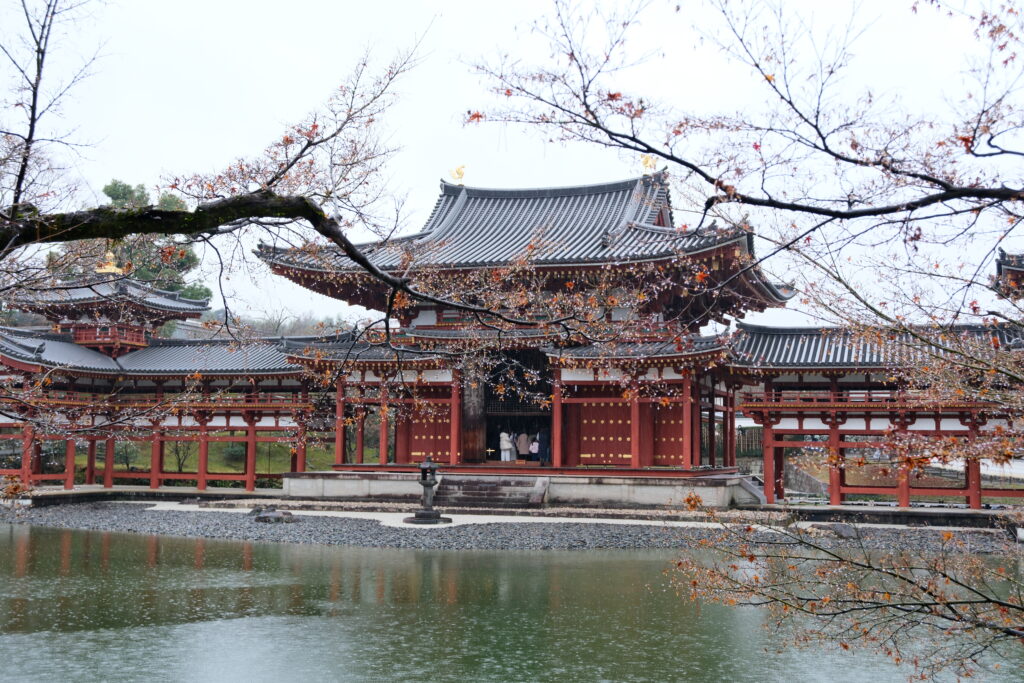
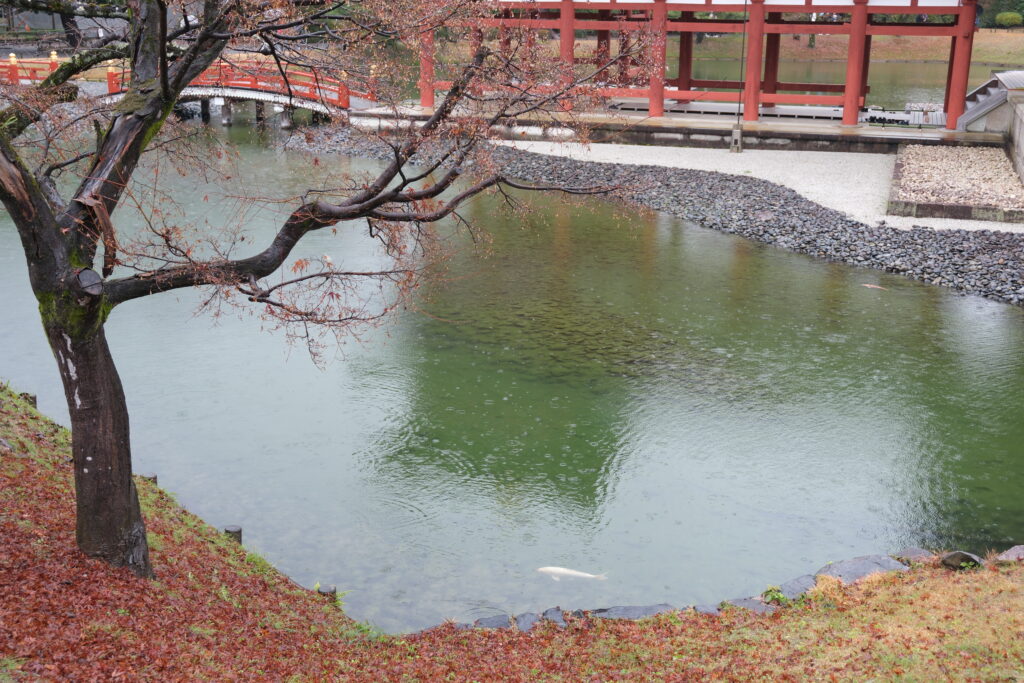
We walked back slowly, stopping to buy art for our home.
We passed matcha gelato, tried matcha sake, and eventually stopped at a chazuke place for lunch.
Chazuke
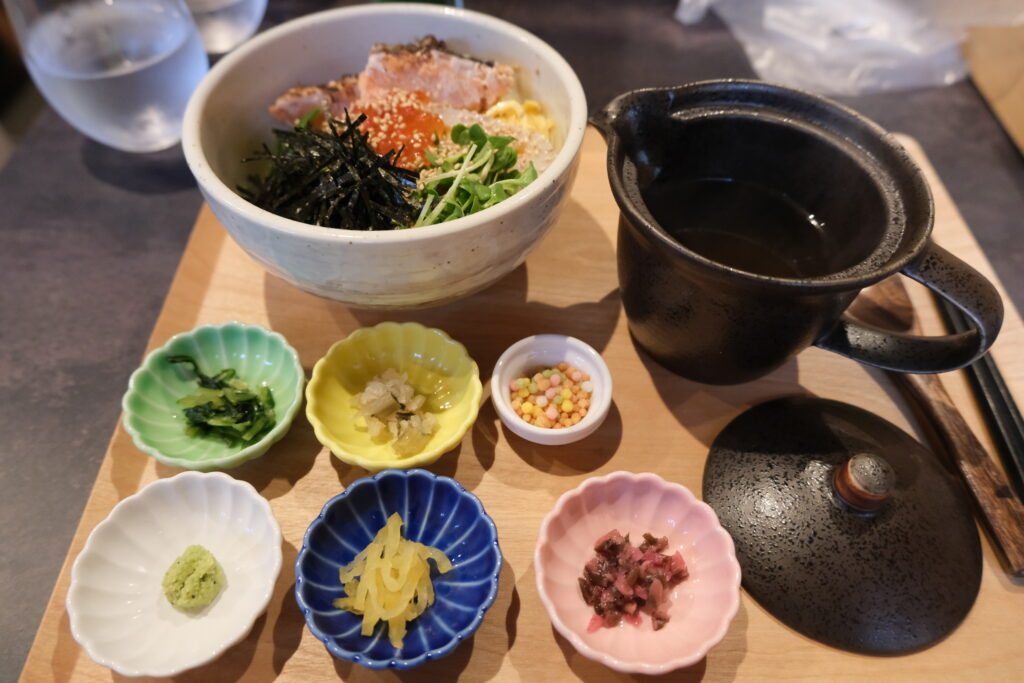
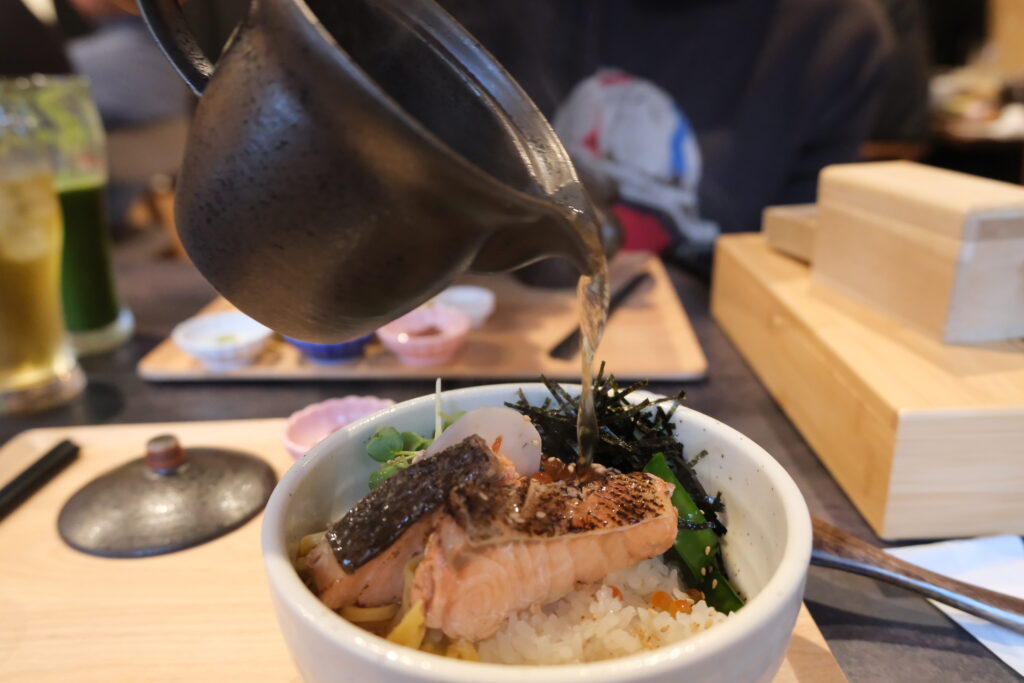
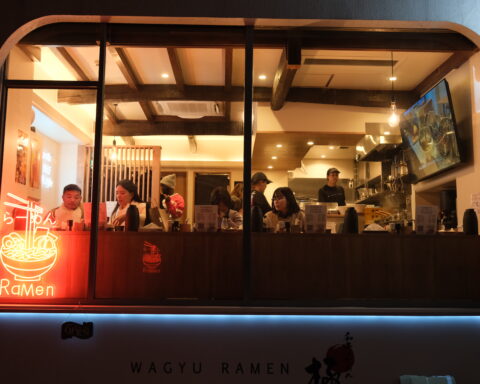
I had salmon ochazuke. Fafa had wagyu. They gave us unlimited katsuobushi and let us shave it ourselves. In a parallel world, where luggage space didn’t exist as a limitation, I would have come home with the shaver and a whole block of katsuobushi.
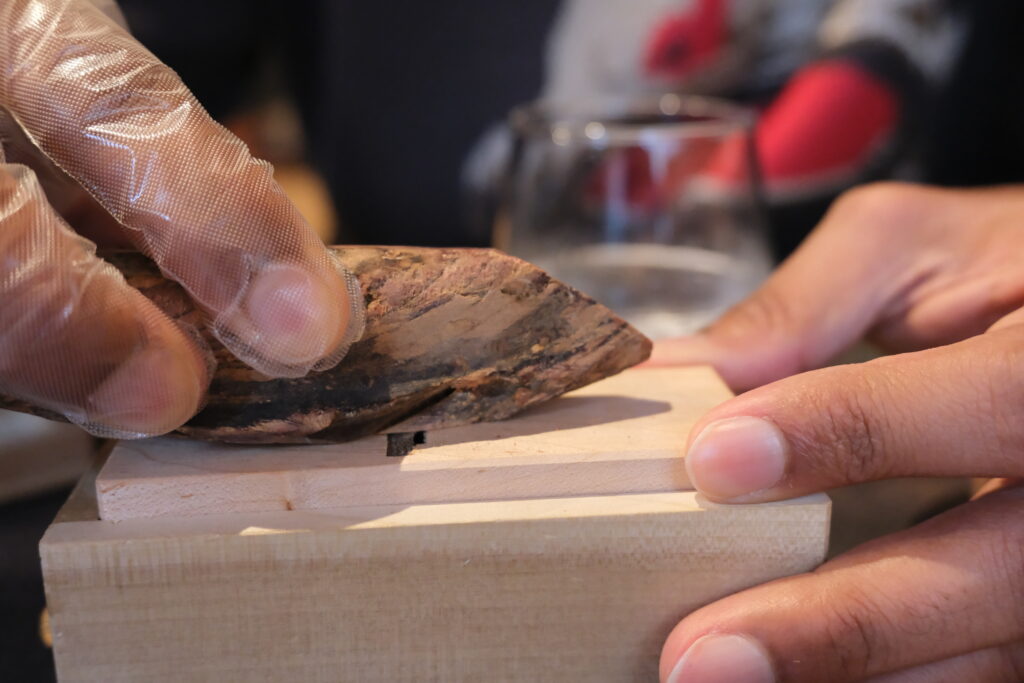
Fafa also had matcha beer, which he enjoyed more than expected.
Nakamura Tokichi Honten
With our stomachs full, we planned to head back after buying matcha. But, like the start of the day, the ending did not go according to plan.
I saw the logo of Nakamura Tokichi, one of the most recommended tea houses in Uji, and insisted we try it.
We put our name down. The wait was over two hours—or so we thought.
A stranger gave us their queue ticket because they had to return to Kyoto. Just like that, we were seated in ten minutes. It felt undeserved and completely deserved at the same time.
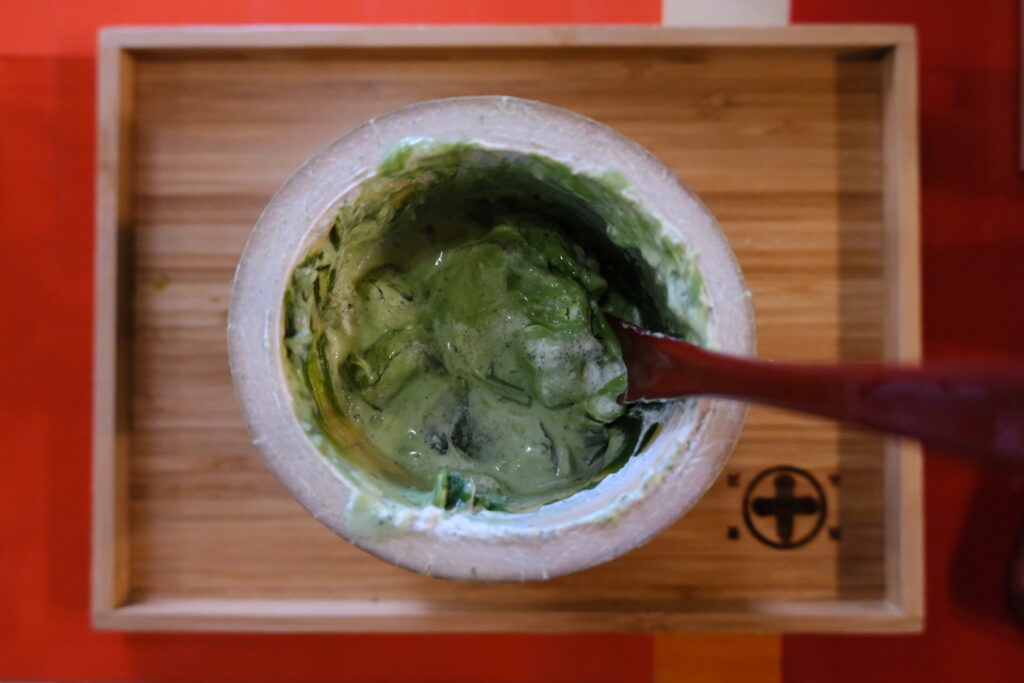
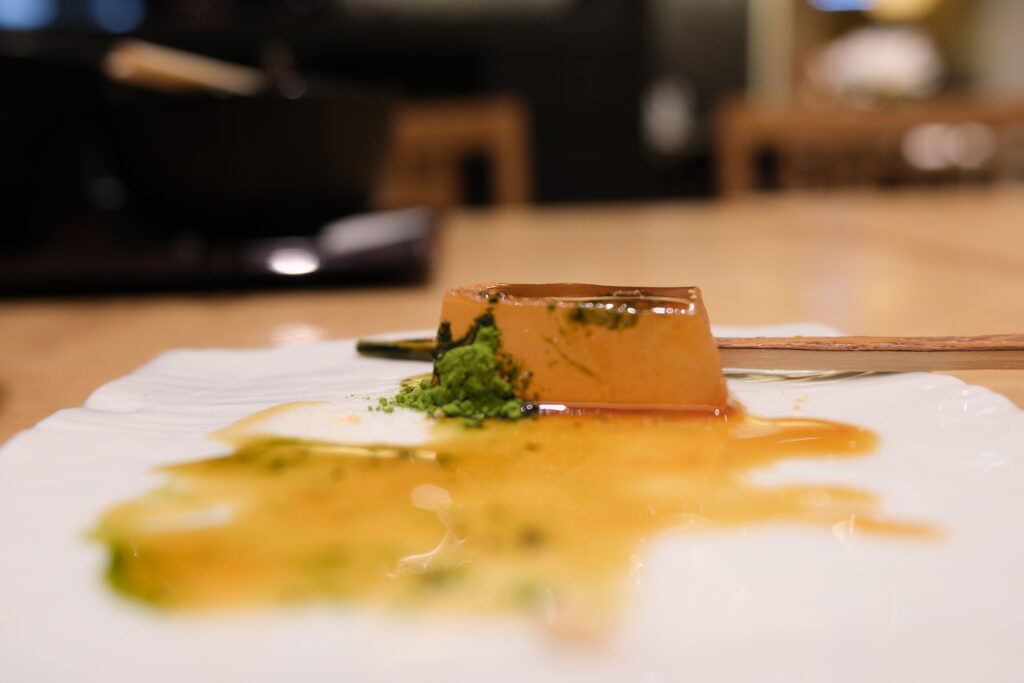
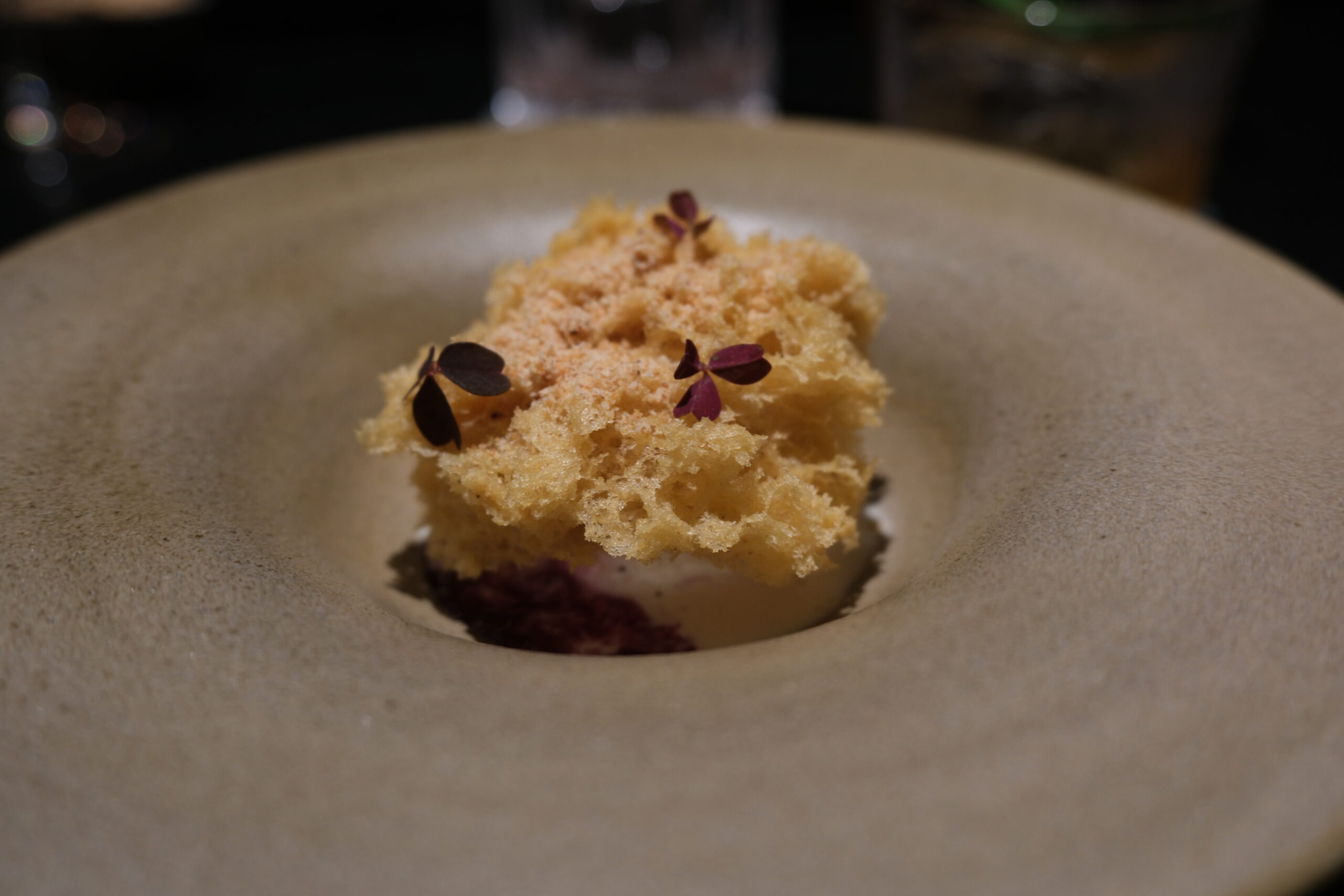
We got their Namacha Jelly and Maruto Parfait (would have ordered their chicken matcha soba too, if it hadn’t been sold out. I mean, while in Uji and all that).
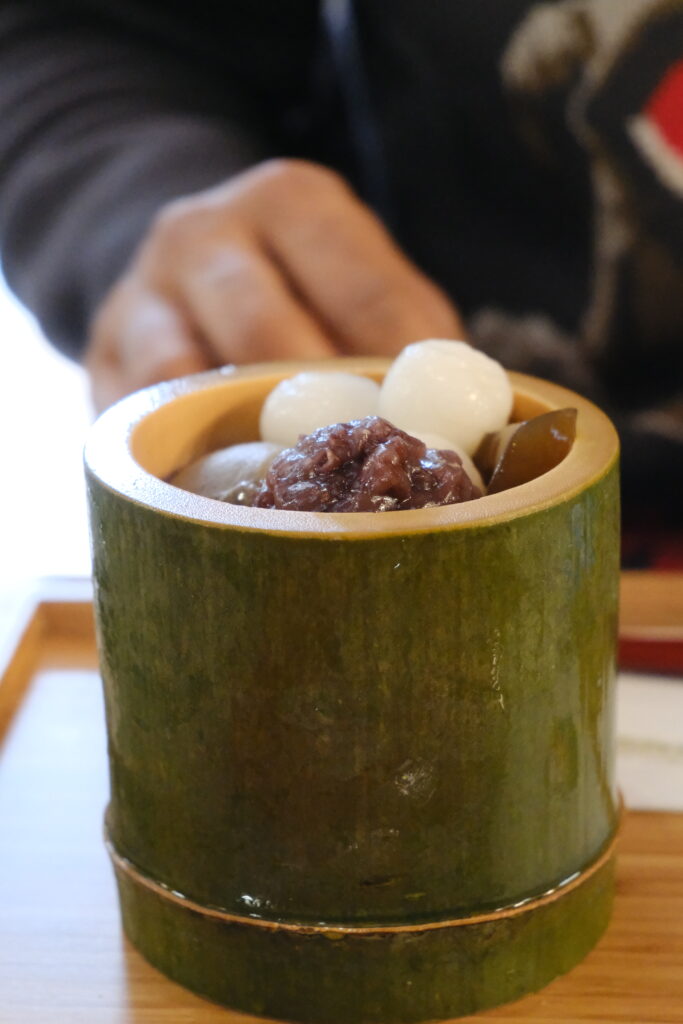
Both desserts were exceptional.
Buying Uji Matcha
The last stop was finally the matcha itself. Inside the store, we sampled freshly brewed green tea. It was lighter than matcha, clearer, but equally delightful.
I hesitated when it came time to buy. I hadn’t done my research. I didn’t understand the differences well enough to justify the prices. It was Fafa who urged me to get the 6,500-yen Hatsu no Mukashi tin. I regretted that decision later—but only because I bought one. It was the best matcha I have ever had. Sweeter and smoother than anything I had tried before. I now dread the day it runs out. And I dread the price of replacing it outside Uji.
Uji Again
On the train back to Kyoto, I wondered—as I tend to do—whether a night stay in Uji would be different. Better. Slower.
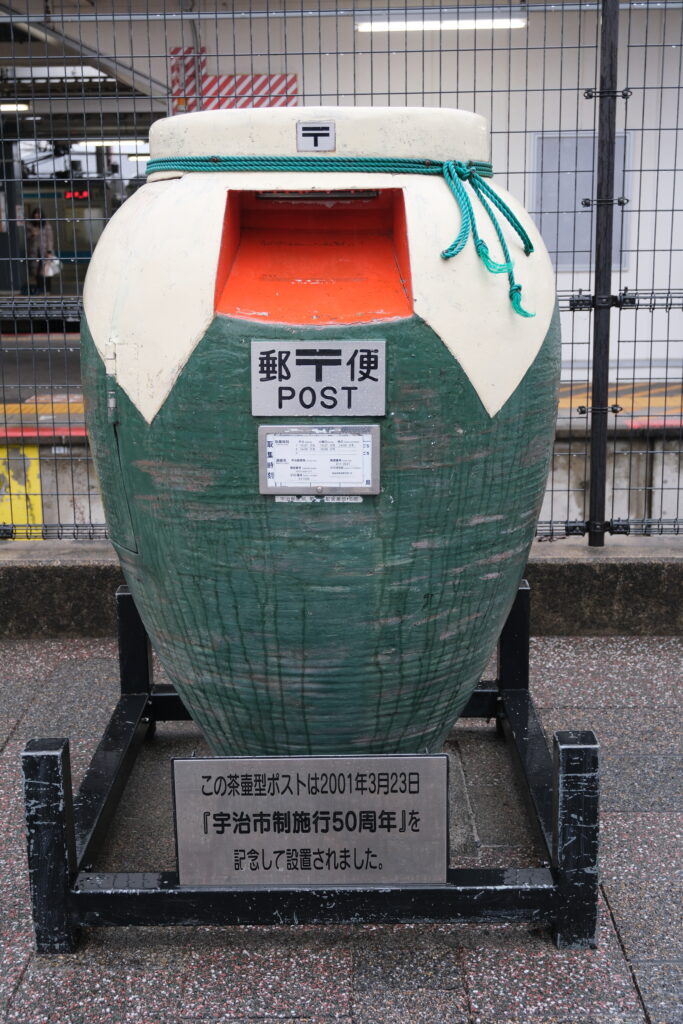
I want to go back. I still need to try the chicken matcha soba.
Follow me on Instagram @KultureKween for more recent updates.
This was one of the most memorable and fun days of our trip. Great post btw – took me back
[…] — The Matcha I got from Uji is absolutely divine—not bitter at the […]