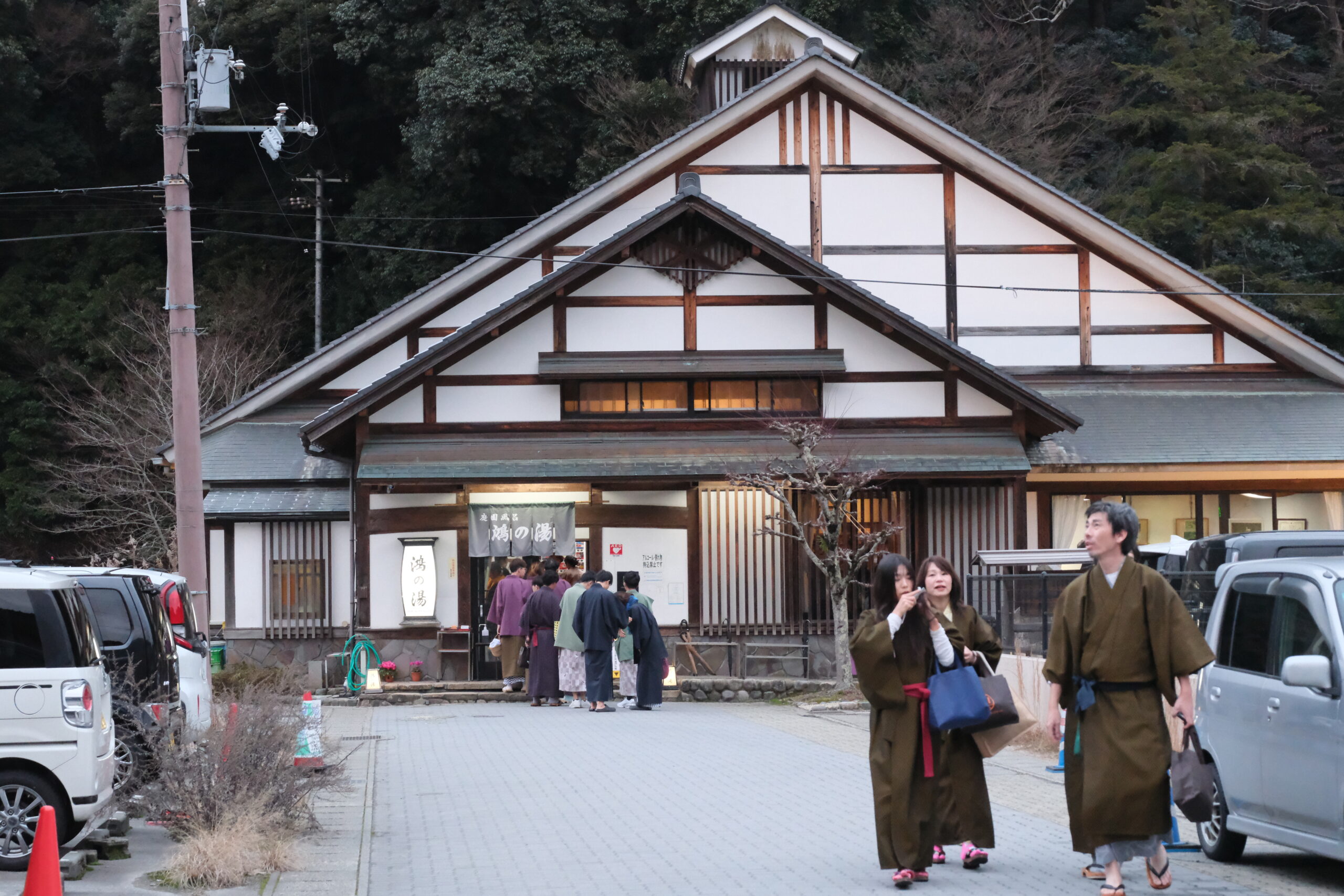
How about some onsen tips from someone slightly obsessed with onsening?
I love onsen and onsen-ing. So much so that when I book a hotel in Japan, the first thing I check is not the location, not the room size, not even the breakfast. It’s the onsen.
If the hotel has an onsen, it immediately moves up several ranks in my mind. If it doesn’t, I won’t stay in it.
Over the years — and many, many soaks later — I’ve picked up a few personal onsen tips, habits and rituals. Nothing essential. Just small observations from someone who genuinely loves soaking in hot water.
Also, a quick disclaimer: I am nowhere near as qualified as serious onsen regulars. These are simply things I’ve learned from observing around Japan. I also hope to keep adding to this list as I explore more onsen towns — in Japan and outside of Japan, though outside Japan it probably won’t technically be called an onsen, I guess.
Hotel with onsen
What’s the point of going to Japan if you don’t onsen?
Whenever possible, book a hotel with an onsen. At the very least, get a hotel with a bathtub so you can use bath salts and pretend you’re in an onsen.
And if you are staying at a ryokan, try to book the dinner set as well. (Winter) Nights of onsen followed by Sukiyaki are a special kind of luxury. After experiencing this recently, I completely understand why people travel specifically to onsen towns.
Time it
If you can, arrive super early in the morning or very late at night to avoid the crowd. Those quiet hours make the experience even better.
Onsen fashion
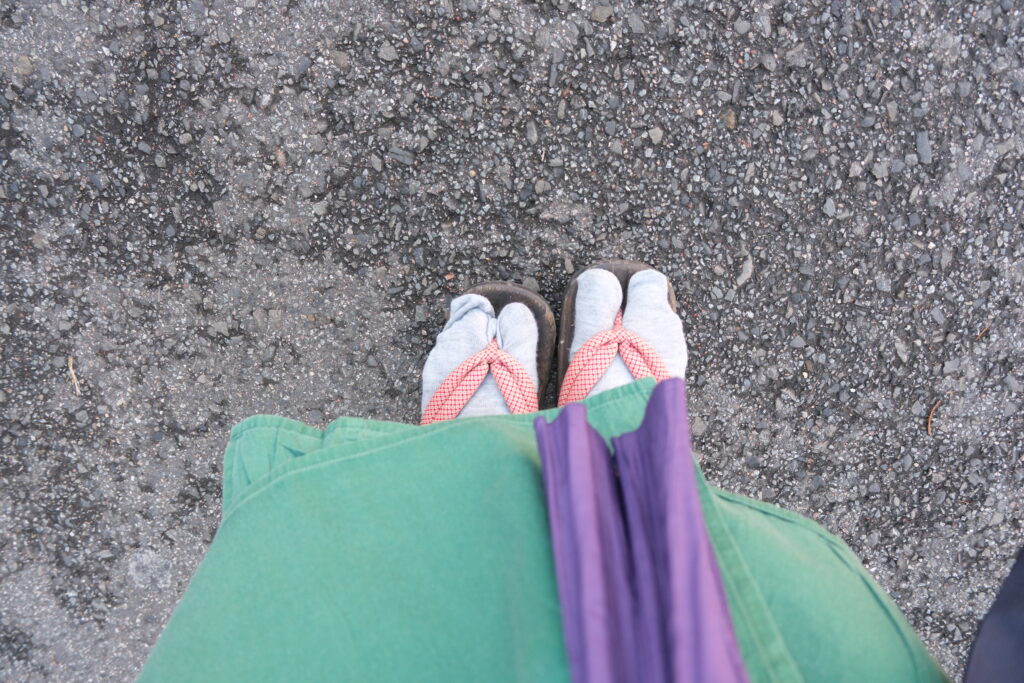
Embrace the onsen culture from the very beginning by slipping into a yukata, carrying the small basket or bag with your towel, and walking around in geta. It’s a simple ritual, but it immediately shifts me into a slower, more relaxed mindset. Part of the charm of staying in an onsen town is seeing everyone dressed the same way, wandering between baths, restaurants, and little shops in their yukata. Lean into it—take time, stroll around, and let oneself fully settle into the calm rhythm of onsen life.
Get naked
I know soaking naked with strangers can be daunting, especially if you’re not from a culture where communal bathing is normal. But if there’s one place in Japan where it’s worth stretching outside your comfort zone, onsen is probably it.
For me, it unexpectedly became a lesson in self-acceptance. Standing there with strangers, being so different, noting how everyone just quietly minding their own business, I realised something important: no one cares. Truly. And this is coming from the brownest girl in almost every onsen I’ve been to.
Shower basin
Before entering the bath, you need to wash yourself at the shower basin. This is basic onsen etiquette. Small tip: don’t sit at the very first basin you see. It’s usually the most visible and the most used, which means the most naked foot traffic.
Wash yourself properly before entering the bath. Some people shower again afterwards. Personally, I tend to shower here rather than in the hotel bathroom.
Also, rinse the basin before and after use.
Kakeyu
Another step before entering the bath is kakeyu. Kakeyu simply means pouring hot water over your body before stepping into the onsen. It helps your body adjust to the temperature. This is a ritual I picked up recently, and I could immediately feel its benefits. Also, it only takes a few seconds, but it’s part of the rhythm of onsening.
Wash hair before or after?
The usual rule is to wash your hair before entering the bath. But I personally prefer washing my hair after the onsen. Sitting in hot water with wet hair tends to give me a headache, so I save it for the end. Again, either way is fine as long as you don’t wet your hair in the onsen water.
Speaking of water…
Skin care
Onsen skin care is serious business. Many onsen changing rooms have great skincare products. Use them. I cleanse my face before going into the onsen (cleanser, then face wash). Afterwards, I do a quick rinse with cold water, then go through however many skincare steps they provide. If you have a specific skincare product you prefer, bring it with you in the small onsen bag usually provided by the hotel or ryokan.
Washcloth
That small towel you see people placing on their heads while soaking is the washcloth. People often place it on their head to retain warmth while keeping their head cool. Sometimes it’s soaked in cold water, though I avoid doing that because it gives me a headache. The towel shouldn’t come into contact with the bath water. Also, if the embarrassment monster appears while you’re walking around naked, you can discreetly use it to cover yourself. Though it’s pretty much a faux pas in onsen culture.
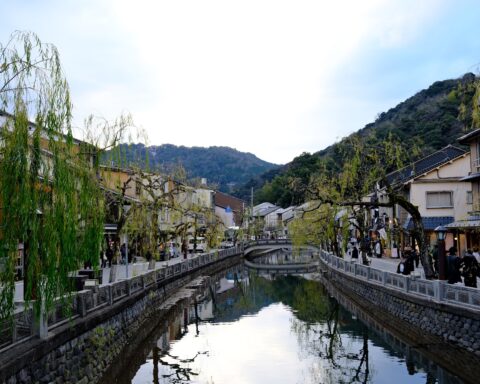
A washcloth also makes a great souvenir, especially if you’re visiting smaller onsen towns like Kinosaki Onsen, which carries its own design.
Before or after food?
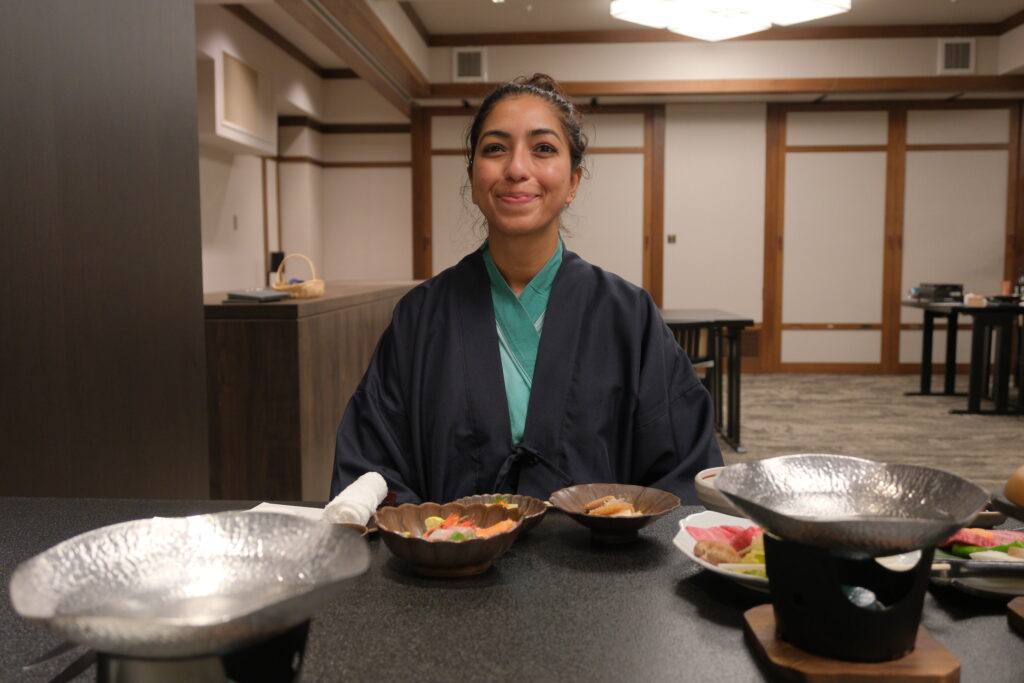
One question I kept asking myself during this trip was whether onsen should happen before or after food. Before dinner sounds logical. Irelax, you build up an appetite, then you eat. After dinner, however, has its own charm. Ieat, rest a little, soak quietly, and then go straight to bed.
Traditionally, the Japanese tend to onsen before dinner. But IMO, both work. Personally, I prefer onsen after food. I usually give myself about 15 minutes to digest and soak, then go straight to deep sleep after.
Onsen Tamago
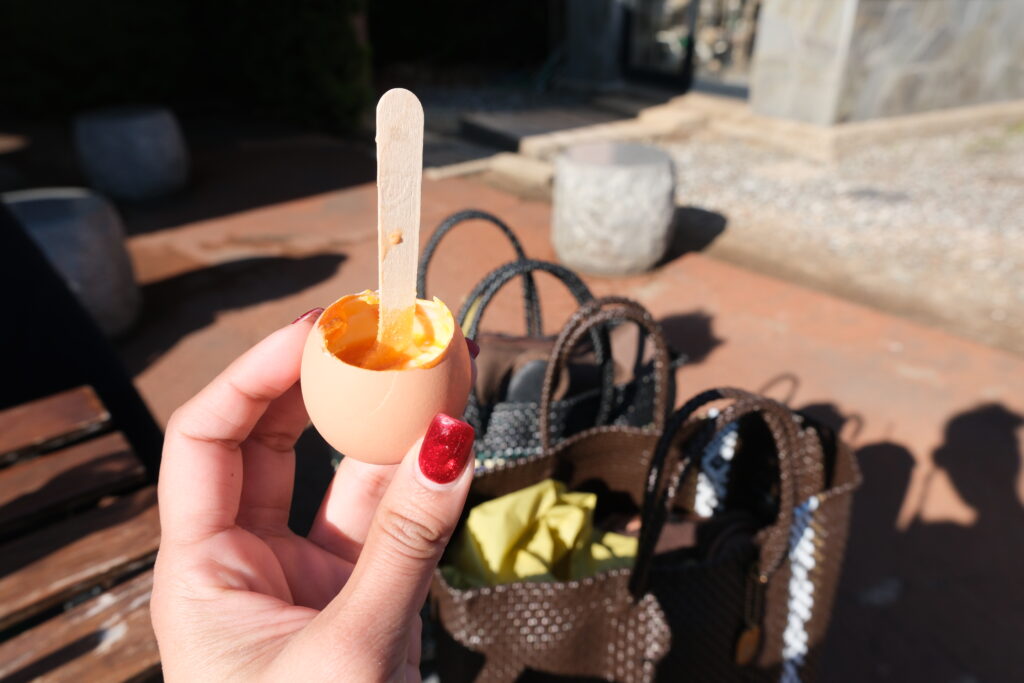
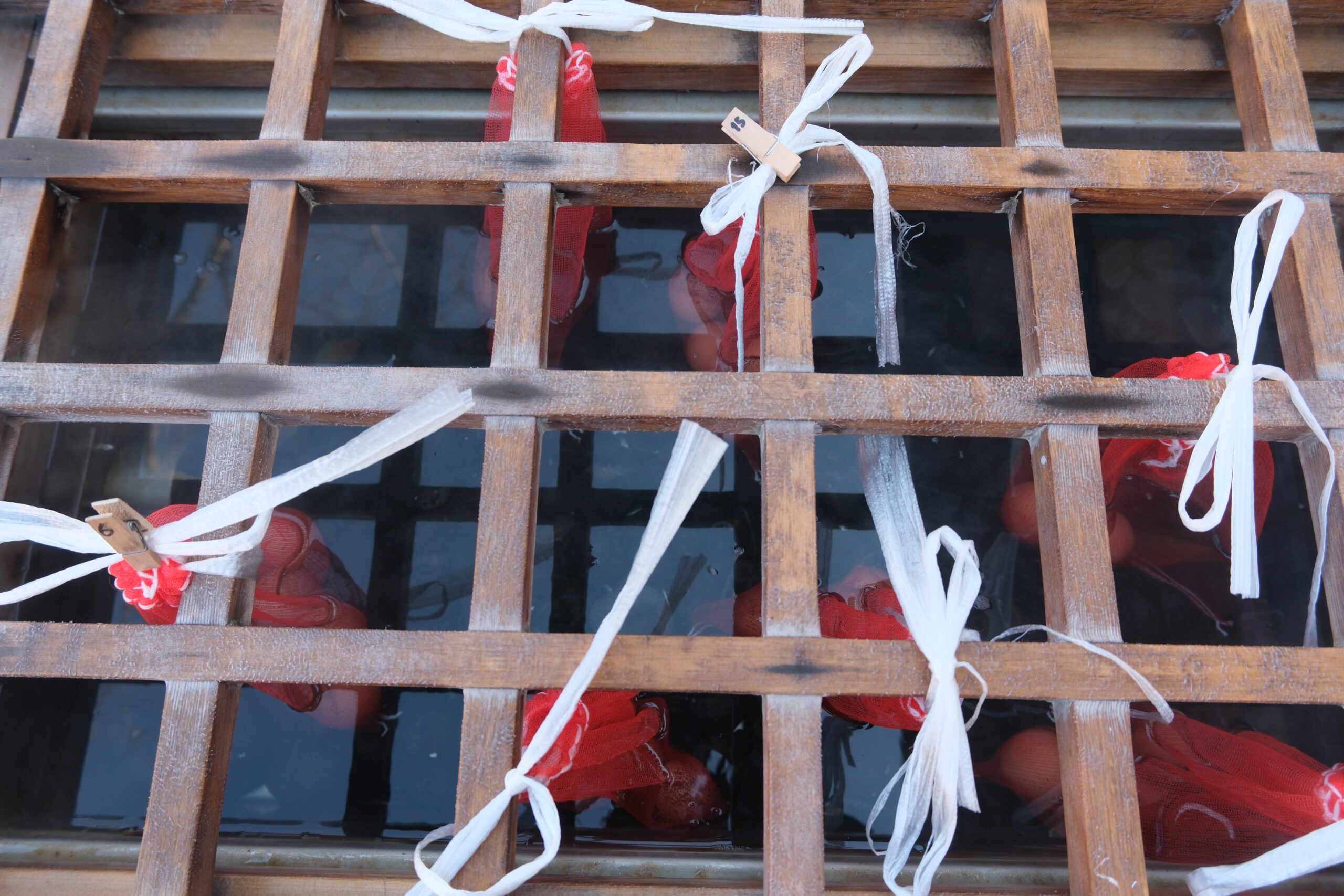
If you see onsen tamago on offer (usually around the onsen neighbourhood), you should absolutely try it—unless you truly dislike eggs or are allergic to eggs. Onsen tamago, a softly cooked egg made with the gentle heat of hot spring water, is one of Japan’s most unique and comforting treats, not to be missed. Part of the charm is the whole process, from how it’s slowly cooked to the simple pleasure of eating it. In some regions, you’ll even find local twists with special sauces or seasonings that are unique to that area. In Beppu, for example, we had ours with a green soy sauce that was incredible with the silky egg. It’s a small experience, but a very memorable one.
Drink water!
Most onsen changing rooms have a water dispenser. Use it. Drink before going in, drink afterwards, and drink in between if needed. Skipping water can easily give you what I call an onsen headache. I learned that the hard way.
Tattoos
I have tattoos, but so far I’ve never been asked to cover them or not allowed to enter an onsen because of them. If you’re using the onsen at your hotel, you can usually get away with it. Public bathhouses can sometimes be stricter. If you’re worried, you can buy skin-coloured tattoo patches online. Or simply visit tattoo-friendly onsen towns like Kinosaki Onsen, which is one reason it’s popular among international travellers.
Private onsen
If you can book a private onsen (you need not worry about tattoos anymore) — usually for a 30- to 60-minute slot and a small fee — it’s absolutely worth it. You get to enjoy the bath in peace and quiet, and private onsens are often located in more secluded or scenic spots. Some even come with small perks like drinks, snacks, or particularly beautiful views.
It’s really the whole experience. Private onsens can usually be booked for couples or small groups of three, which makes them perfect if you’re travelling with a partner or friends. Another advantage is that private baths often allow you to bring your phone, so you can take photos and videos — something that is almost always not allowed in public onsens. In smaller onsen towns, especially, these private baths tend to be in some of the most beautiful locations, sometimes overlooking rivers, forests, or mountains.
Themed Onsen
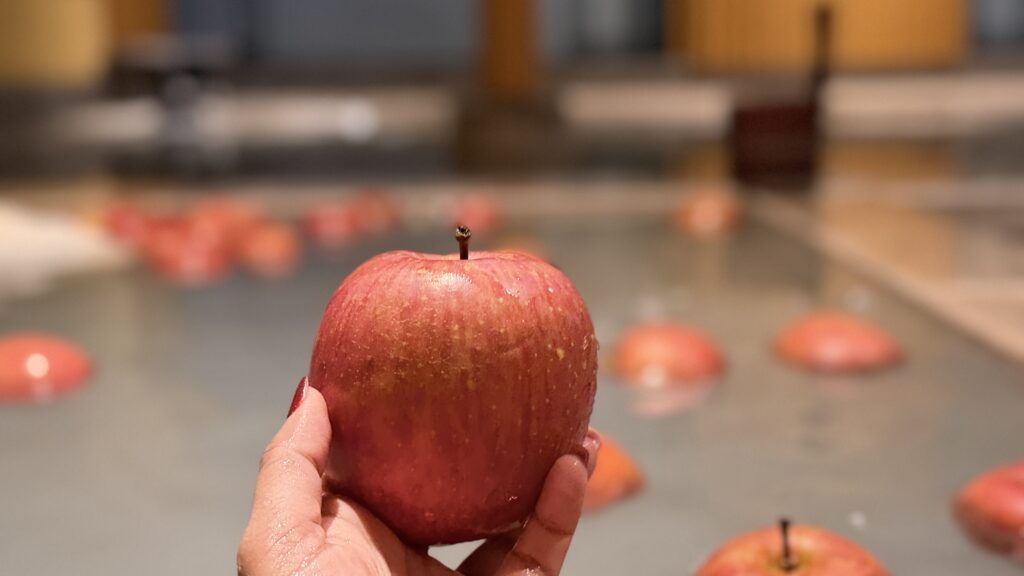
Keep an eye out for unique onsens—or better yet, plan parts of your Japan trip around finding them, or at least around visiting an onsen town. Some of the most memorable travel moments can come from these small, unexpected bathing experiences. I was absolutely delighted to try an apple onsen in Aomori, where apples floated in the bath, filling the air with the faint scent of fruit. Before that, it felt like a real privilege to soak in Tsuboyu Onsen UNESCO World Heritage onsen in Yunomine, and even collect a certificate for the experience. Moments like these make onsen-hunting feel like a fun little quest.
Mindfullness
This one is mainly for us tourists. Onsen time is meant to be calm. If you’re chatting with friends, keep the conversation soft. And please — no staring.
if there’s one thing onsenning teaches you, it’s this: slow down. Sit in the water. Breathe. Drink water. Take your time. For a brief moment, there is absolutely nothing to do except exist in hot water. And that might be one of the best feelings in the world.
Relaxation Room
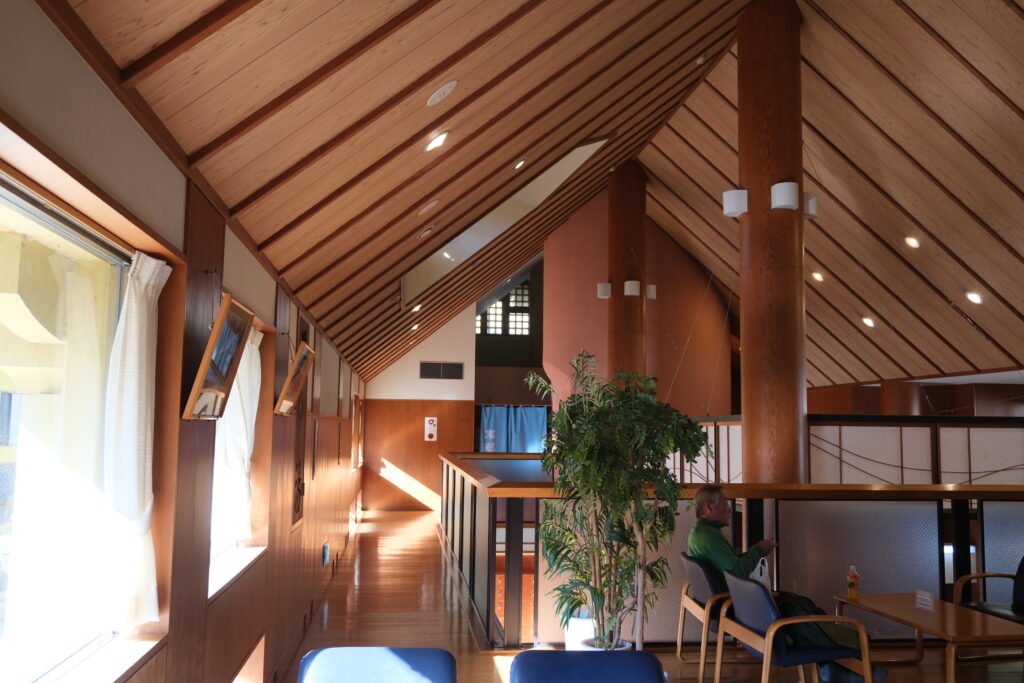
Some onsens, especially the public ones, have relaxation rooms where you can rest for a while after your bath. These spaces are usually set up for unwinding, often with small snacks, drinks, massage chairs, or quiet areas to sit and cool down. Make use of them and take your time—part of the onsen experience is not rushing. Let your body relax, enjoy the calm atmosphere, and ease back into the day slowly.
Lastly and most importantly…
Follow the rules
Every onsen has basic rules. Shower before entering. Don’t swim. Don’t wash your hair in the bath. If the rules aren’t obvious, it’s worth checking online beforehand. Follow them.
Let’s not embarrass ourselves collectively.
At the end of the day, onsen is one of those simple pleasures that Japan does exceptionally well. Hot water, quiet space, and a moment to slow down. And if you ask me, any trip that ends with a soak in an onsen is already a very good trip. So do onsen when you are in Japan.
Follow me on Instagram @KultureKween for more recent updates.
[…] know he is comparing it to the onsen tamago we had in Yunomine Onsen during our Kumano Kodo hike. That one sits very clearly in my […]
Great list! One from me – some onsens have a vending machine outside which has cold milk – u flavoured and flavoured. And it’s a great way to finish up the onsen experience.
That’s a good one. I like unflavored milg.
[…] at the same time, the onsen town welcomes people with tattoos, quietly rejecting the rigidity that many other bathhouses still […]