The head chef of Matsu stepped outside to send us off with a goodbye before calling out, “Be home safe.” Cementing Jiro Sushi-level hospitality in my own backyard. I like it. I like it very much.
When I first spotted Matsu’s sign along Barkly Street, I was hoping it would be a Japanese-Mexican fusion tapas bar or a Japanese massage parlour. Either option, especially the latter, of a shiatu, sounded inviting.
To my delight, Matsu turned out to be even better — a Japanese Kaiseki restaurant.
A Kaiseki (read: fancy) restaurant in the West? That sounded almost too good to be true. While we’re lucky to have plenty of good food in the West, it’s hard to find a place I’d recommend for a special occasion.
I was intrigued, keen to try and report back to my readers in Melbourne West.
However, to my dismay, I had never managed to secure a booking, not even for our birthdays or anniversary. Then Diwali, Christmas, or Valentine’s Day came and went, still no luck. Getting into this ten-seater restaurant felt like the camel and the needle situation. Finally, I got in, that’s because I saw a random opening on a Wednesday, seized the opportunity, and booked it before telling Fafa.
“What’s the occasion?” he asked. “That we managed to get seats” I replied.
After weeks of anticipation, we arrived at Matsu at exactly 6 PM, only to find ourselves standing in front of a locked glass door with the curtains completely drawn.
Why Matsu? Exclusivity? Mystery? Or is it more likely for security and safety? It’s Footscrazy after all.
Minutes later, we were seated, hot towels in hand, facing a tranquil display of ikebana flowers floating in the air, set against the barest of restaurant walls I had ever seen.
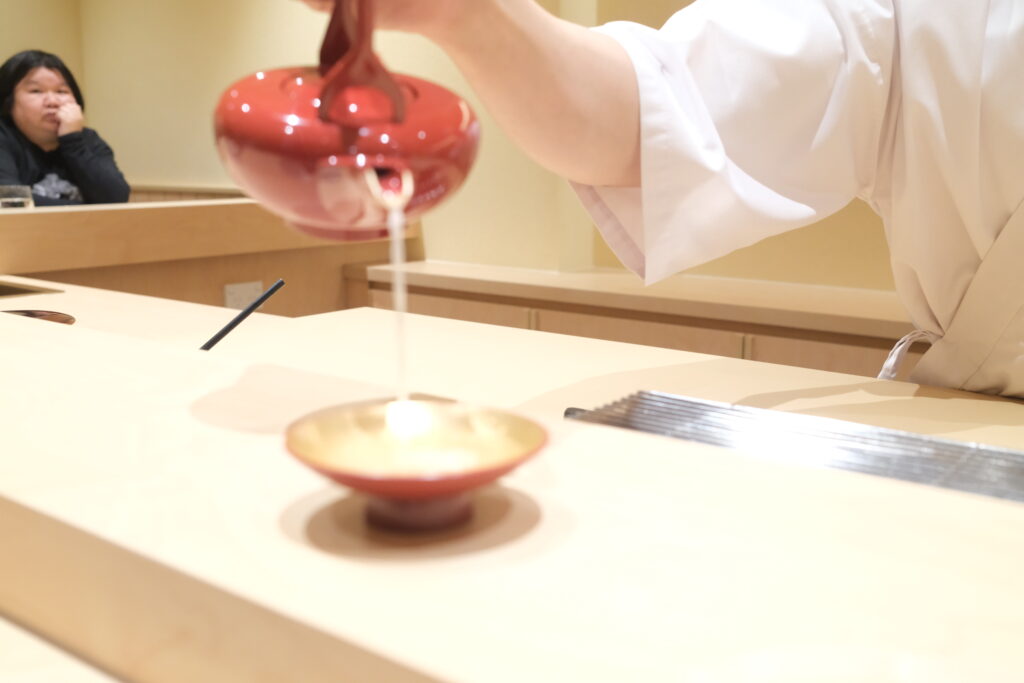
The chef served us Yuzu tea and introduced himself, clarifying that Matsu wasn’t an Omakase but a Kaiseki restaurant.
Matsu’s Ten-course Winter Kaiseki
— I counted.
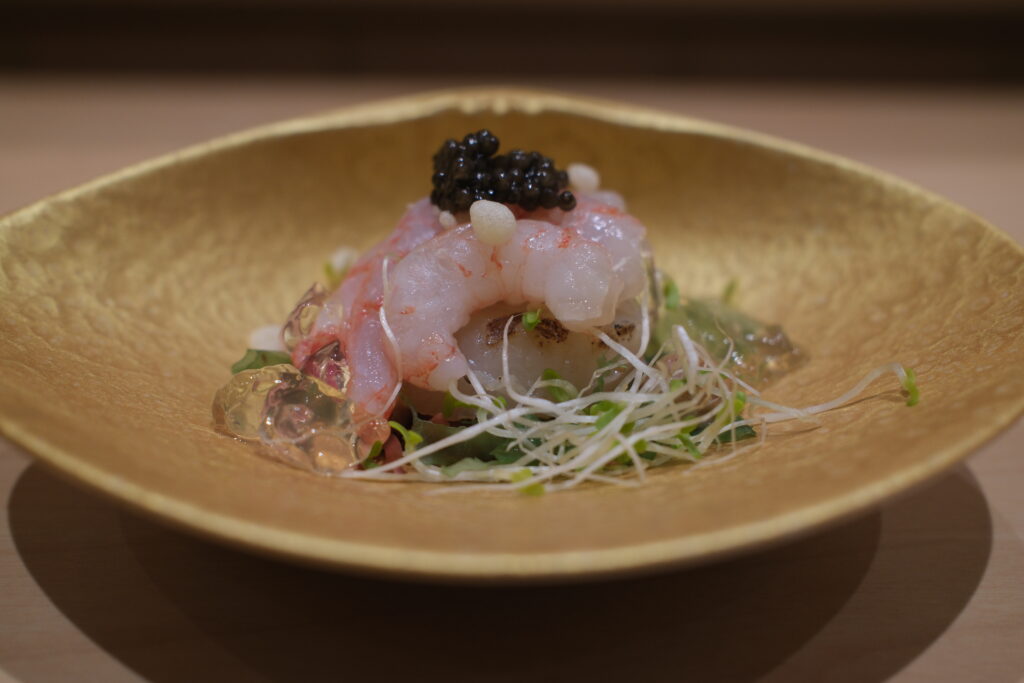
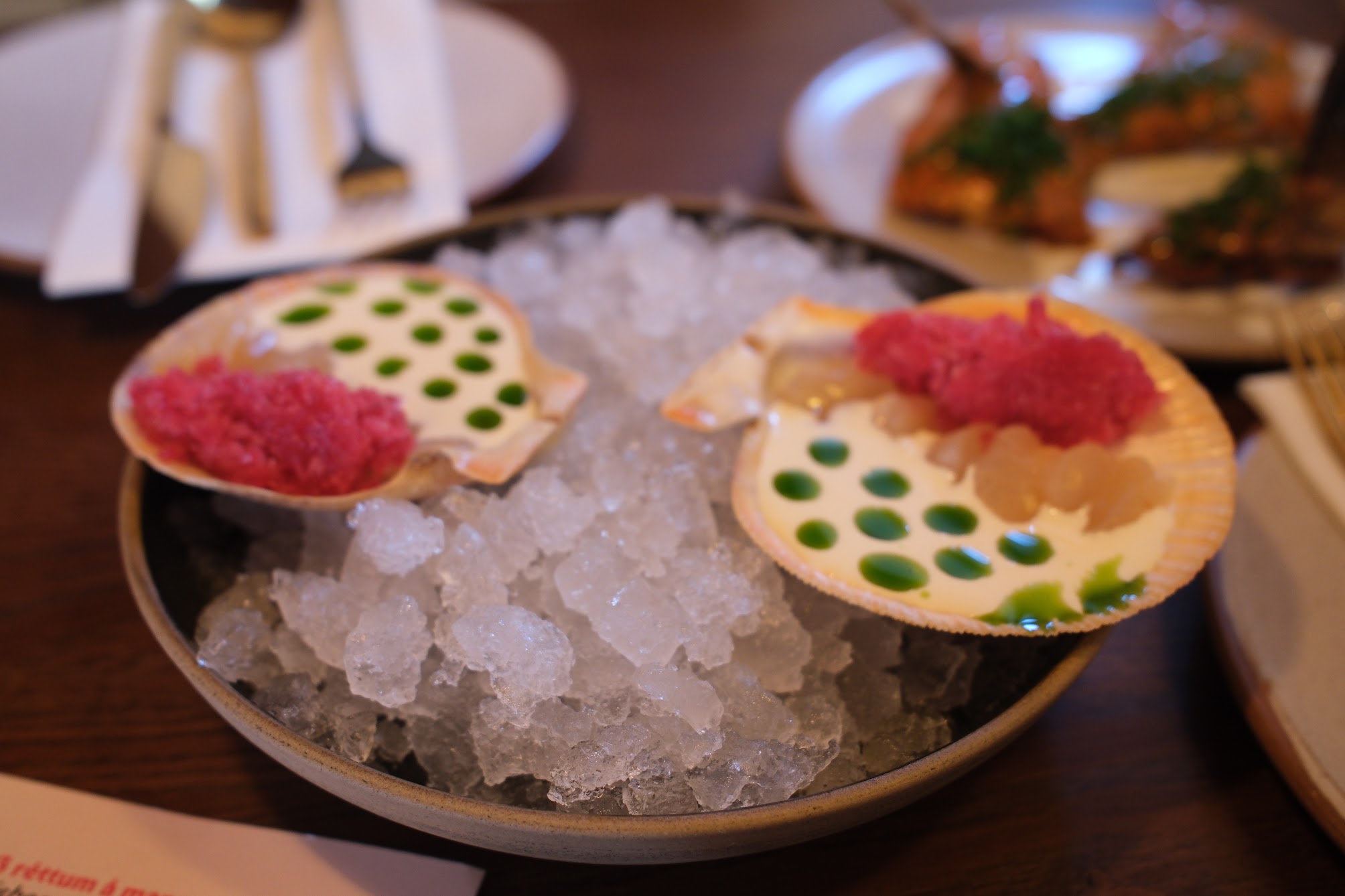
Sakizuke is the first course in a traditional Japanese Kaiseki meal. An appetiser, if you may. We had Amaebi (sweet prawn), scallop with bonito, garlic mayo, and seaweed topped with a bit of caviar.
I had it with the first sake in my pairing, Roman. It’s brewed using the traditional mochi rice four-stage process. Sweet and absolutely delicious. At the end of the meal, I was more than a little disappointed when the chef mentioned that this sake—my favourite of the lot—couldn’t be purchased by commoners.
Next was Mushimono, a steamed dish. The chef took time to show and explain to us the star of the show. This time it was abalone – cooked right in front of us.
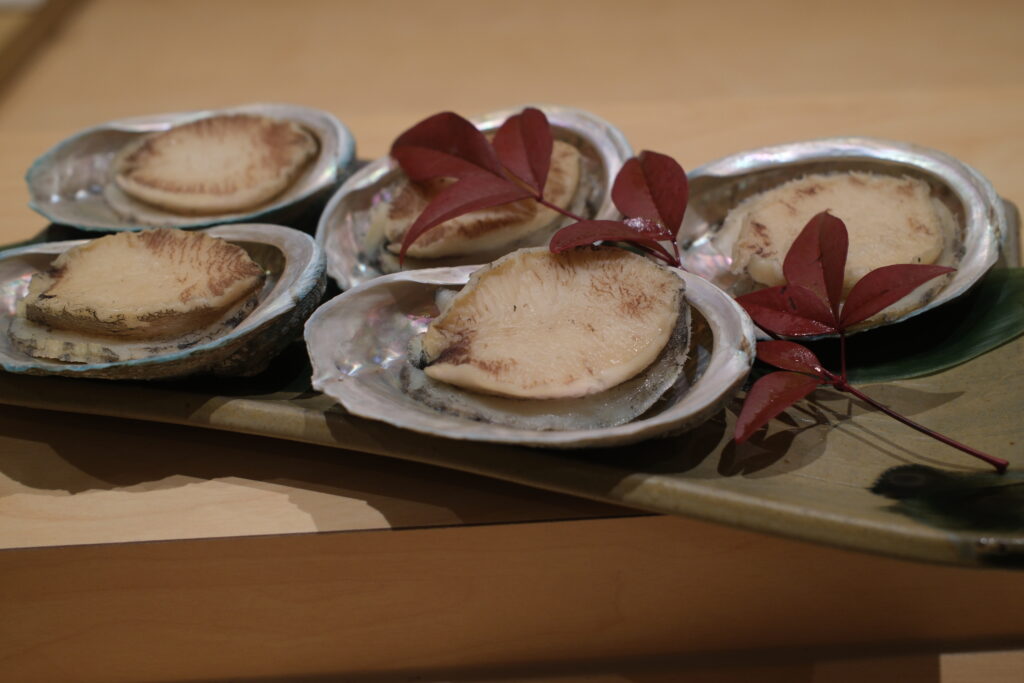
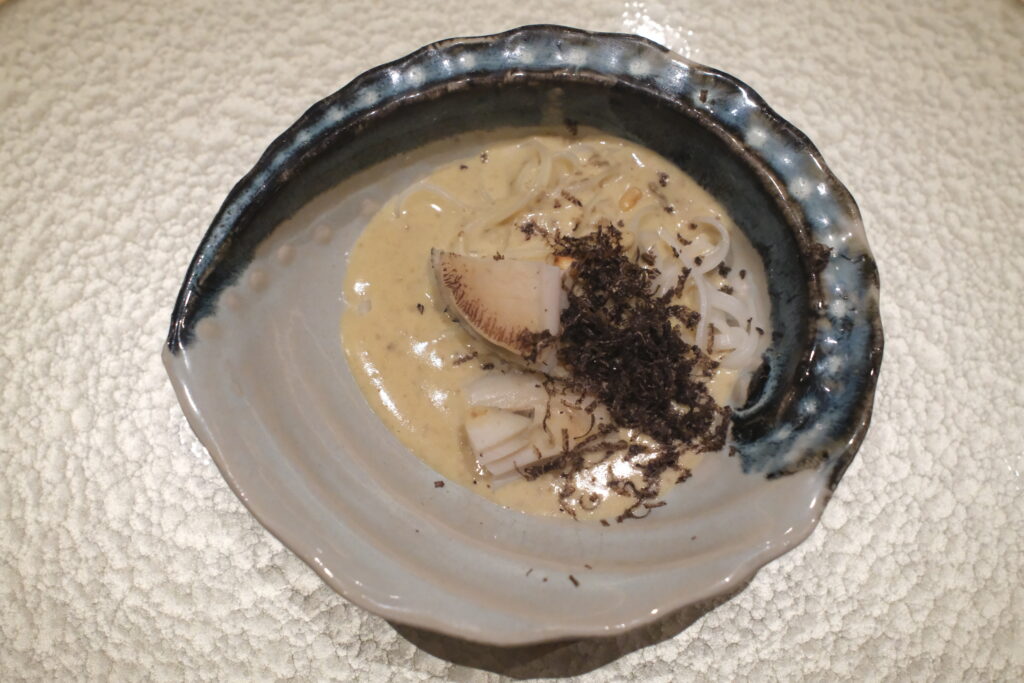
We had it with udon in cream sauce and a generous shaving of truffle. I could happily eat this dish many, many times. My one wish was for it to be served warm, not room temperature. The brain saw udon on a Winter Kaiseki menu and anticipated slurping up some warmth. If only it were, this dish would have been phenomenal.
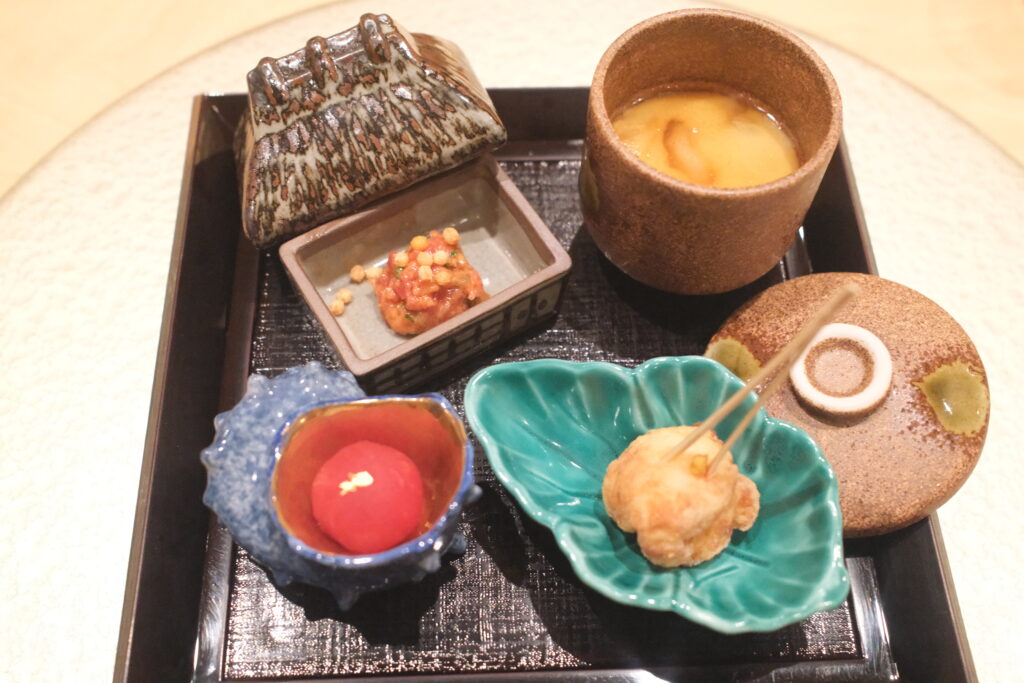
Hassun is a seasonal-themed dish in a Kaiseki meal, and we were served a miniature village with four separate dishes: a dash of Tuna Tataki; Chawanmushi—warm, soft, and cooked to perfection (my favourite of the four); a cherry tomato; and my least favourite, unseasoned Fish Karaage.
By now, I have moved on to my second sake pairing, Houou Biden Black Phoenix. Another Junmai Ginjo, with a stronger and fruitier taste. I was supposed to smell and enjoy its aroma while drinking it, but I can’t remember whether I did.
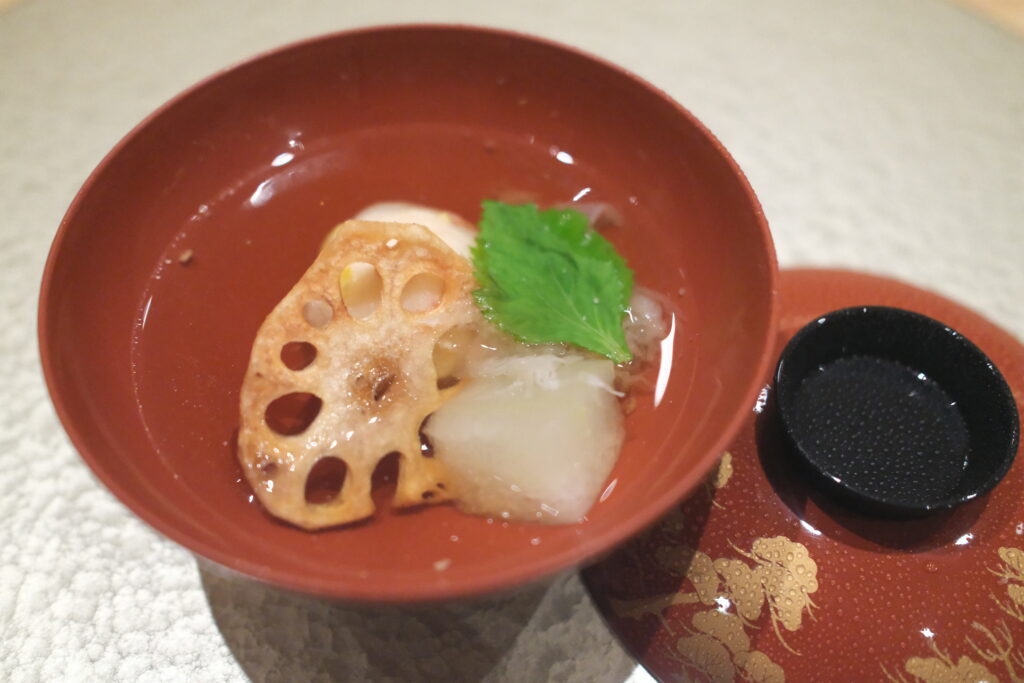
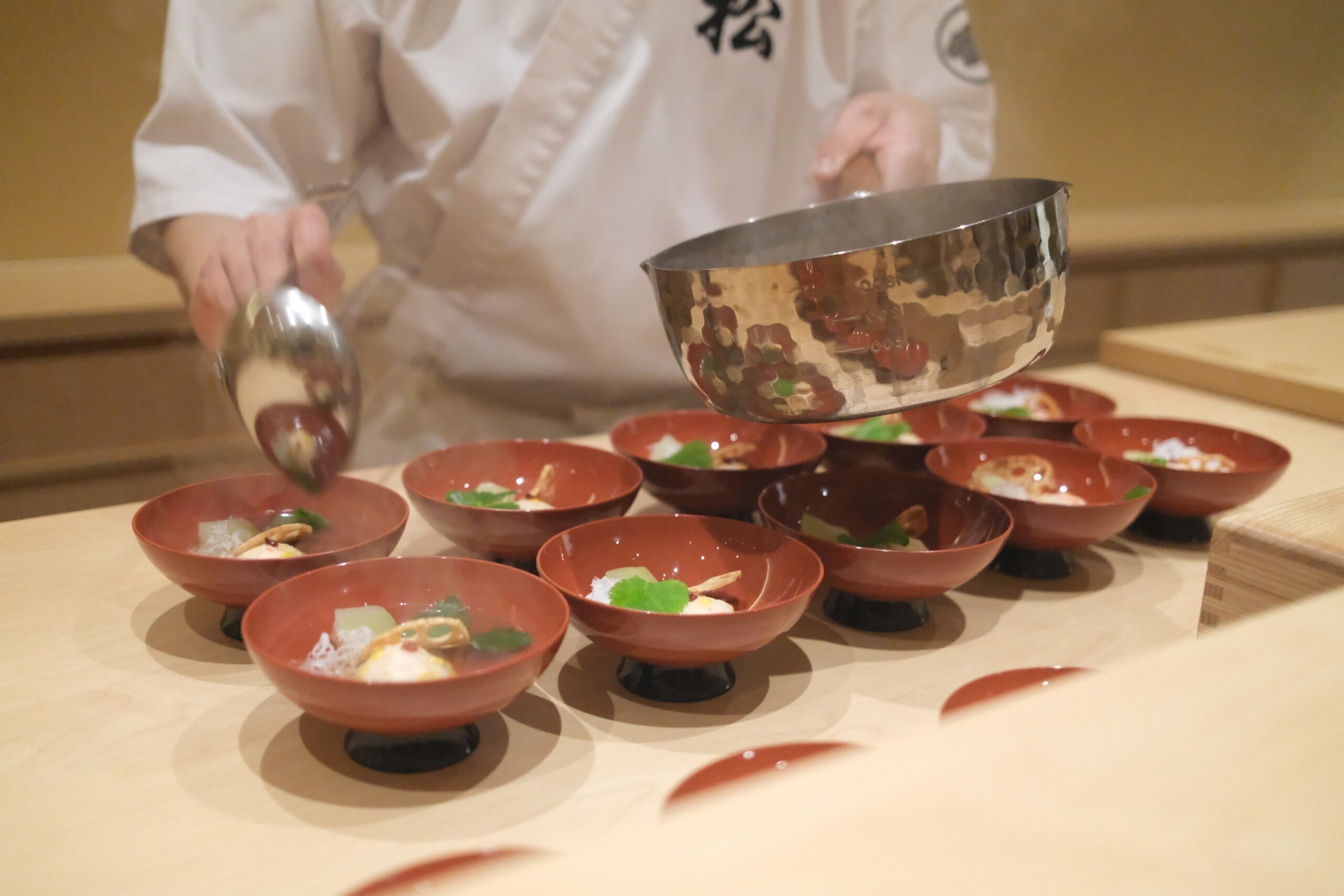
For the soup course—Wanmono, part of the Japanese Kaiseki meal—we were served a beautiful bowl of Dashi soup with prawn, fish, tofu, lotus root, winter melon, and sweet corn. The chef presented it with a closed lid sprayed with water, accompanied by an anecdote: during the samurai era, the watermarks on the lid were meant to reassure diners that the food hadn’t been tampered with.
Man, I love food with anecdotes—keep them coming, chef!
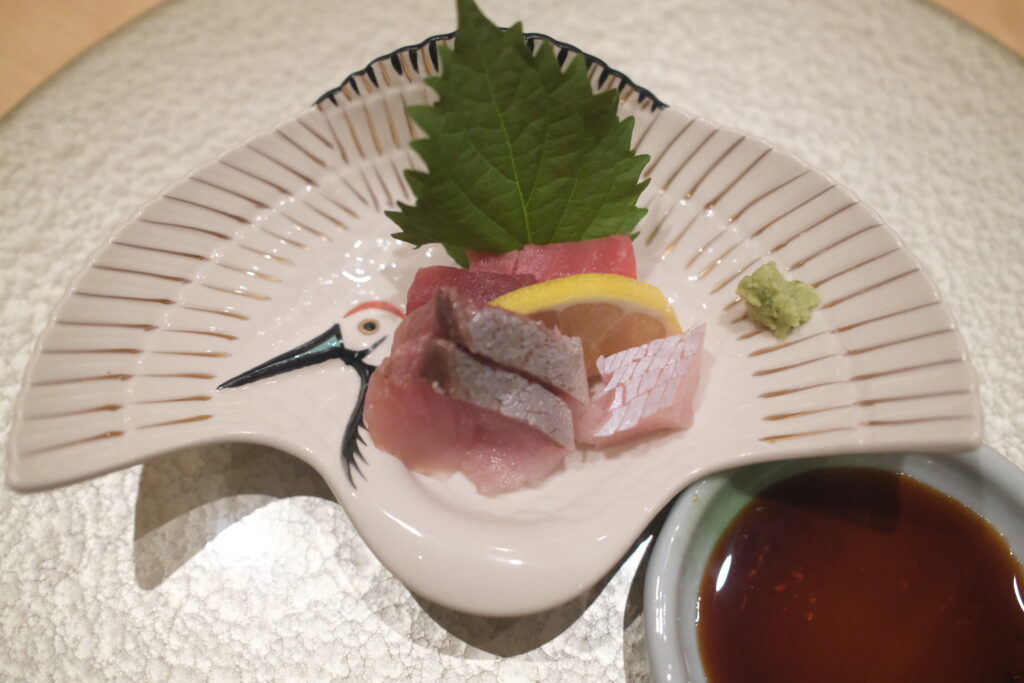
Next was Otsukuri, the sashimi course, where we were served various cuts of tuna on one of the most beautiful plates I’ve ever seen. (I even did a few reverse image searches to find out where to buy it—no luck so far.)
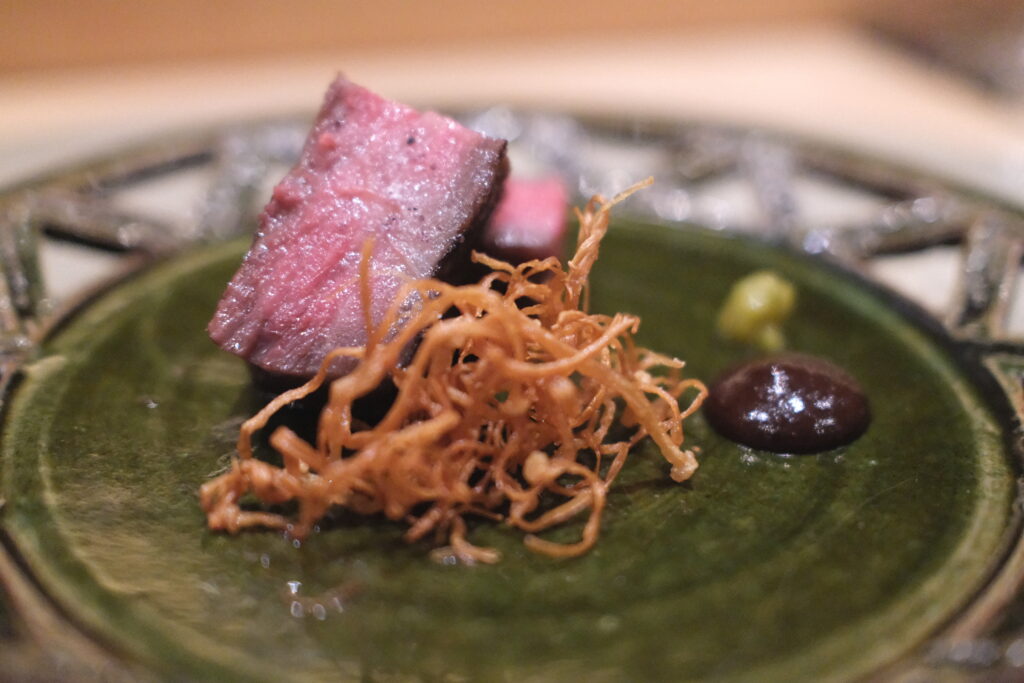
Yakimono, aka the grilled course, was an MS9+ Wagyu (9 being the highest grade of wagyu marble) with a side of enoki, pepperberry salt, and wasabizuke. The meat was tender and juicy, which we ate with each side separately.
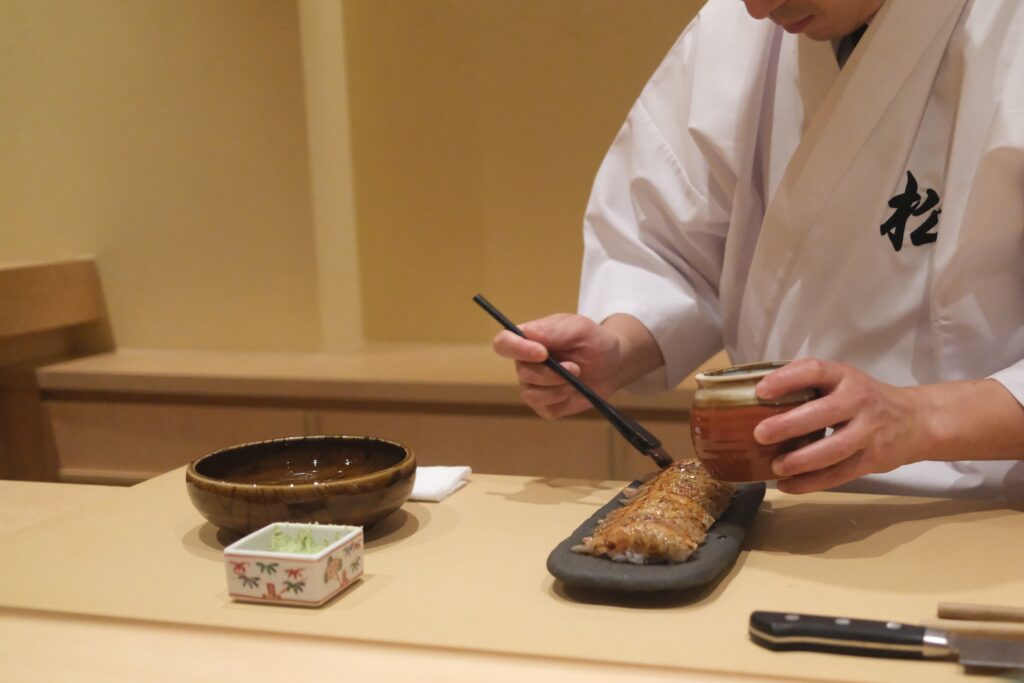
Here we were offered an option of Wagyu Nigiri. We didn’t get it, but honestly, when I saw it being prepared—with generous shaving of dried duck pâté on top—I had immediate regret.
Still, $29 for two bites? I think I can live with the regret.
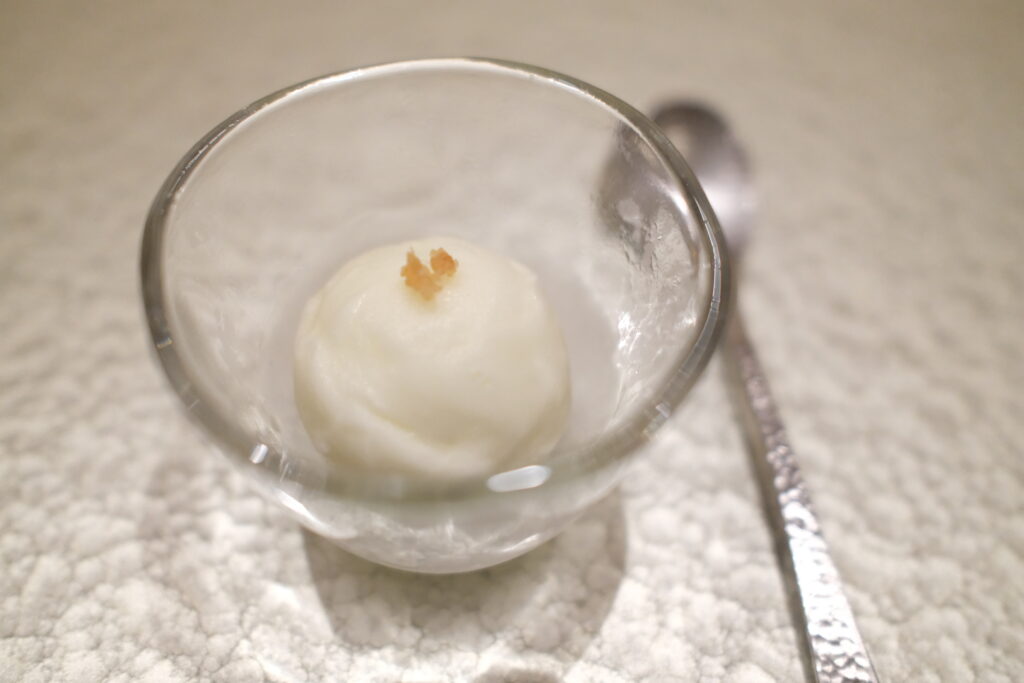
While waiting for other patrons, we were served a refreshing lemon sorbet as a palate cleanser. It also marked the mid of Matsu’s Kaiseki course.
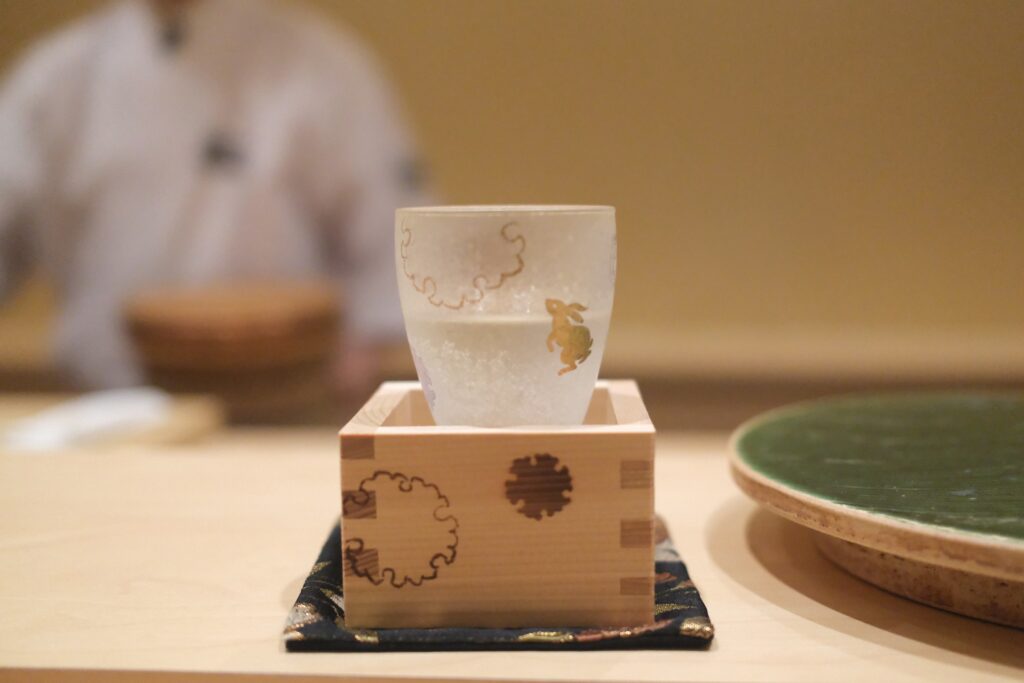
I am also on my third sake, Houou Biden Akaban, served in a cute chilled glass inside a sake box. It’s supposedly had the aroma of lychee and melon. I couldn’t smell any of it, but I can attest that good sake will turn one into a sake lover, and that night, I am the living proof of it.
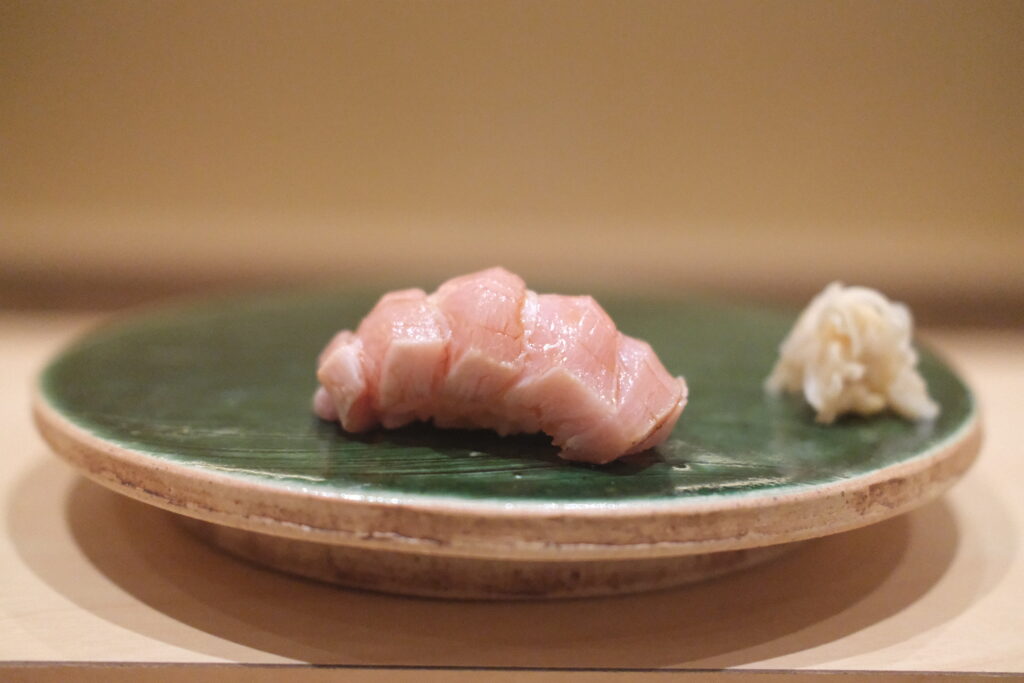
After that, we had Osushi, the sushi course—Chef’s selection of Nigiri. I almost don’t want to admit it, but in this ten-course Kaiseki at Matsu, my favourite was the Tuna Nigiri. It was incredibly rich and packed with umami—an easy 10/10.
Shokuji is supposedly the “meal” course. We were served Yosenabe, a traditional Japanese hot pot featuring crayfish, enoki mushrooms, and vegetables.
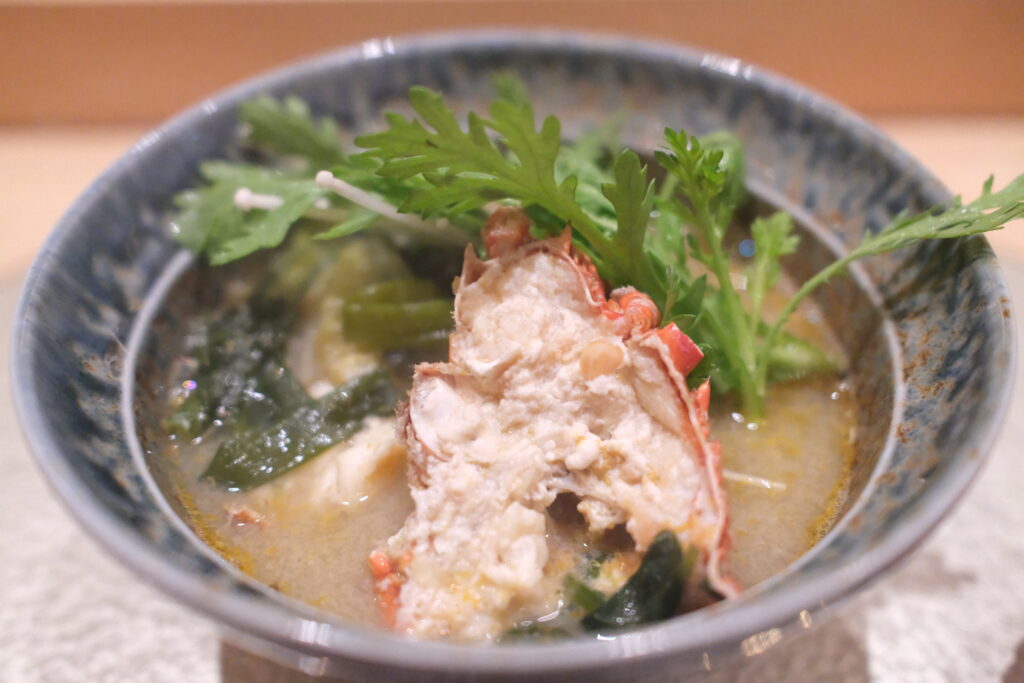
This course was my least favourite. The bowl was filled with large leaves, and I struggled with the crayfish.
As much as I love crab, I’ve come to accept that I don’t enjoy lobster (unless it’s in a bisque or roll). Crayfish is much the same—too much effort for too little flavour. Even though the chef prepared it beautifully, it still felt like an unworthy chore to eat.
In short, the whole dish was difficult to eat, let alone enjoy.
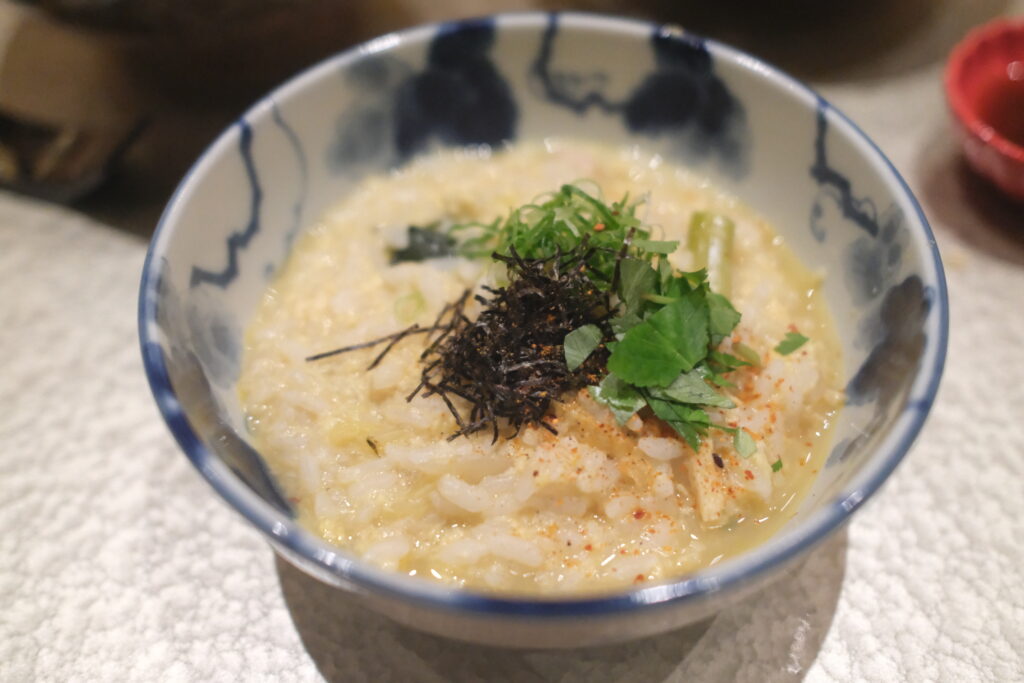
Next was Zosui—a rice soup that isn’t quite porridge. It’s made with Japanese rice, egg, and spring onion simmered in Yosenabe (Japanese hot pot) broth. I wanted to like this dish because it combines rice and soup—two of my favourite food types. Plus, I love Chazuke, so I naturally assumed I’d feel the same about Zosui. But I didn’t. It was quite bland, especially coming right after a rich and strongly flavoured seafood soup.
By now, I was on my final sake—Kokuryu Golden Dragon. It was also the fruitiest of the four; I picked up a hint of apple, which, apparently, was actually pear.
The chef also chatted with us a bit more.
We asked why he chose Footscray, and he said he loved the proximity to the market — that he gets to touch and choose the ingredients every morning. For seafood, he goes to D&K Seafood, and I got unreasonably excited because that’s where we get our seafood, too. It felt like brushing shoulders with excellence. I felt accredited by proxy.
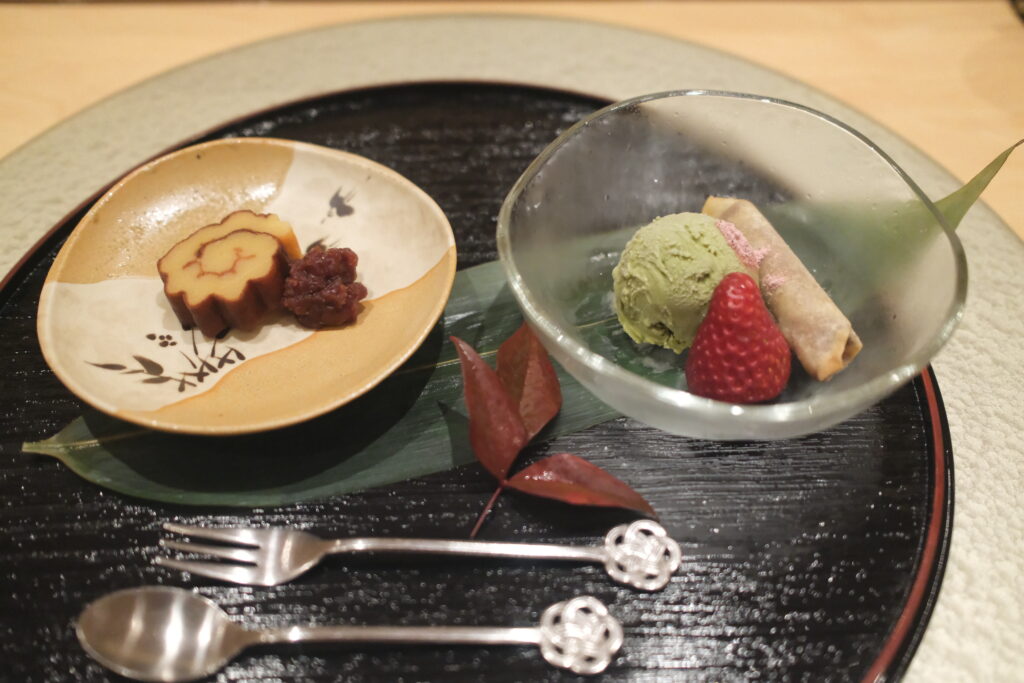
The final course, of course, was dessert. We had a plate of Datemaki (sweet rolled omelette) with a side of red bean paste, a bowl of matcha ice cream with Harumaki (a sweet spring roll filled with hazelnut, chocolate, and cream cheese), and a chilled glass of umeshu jelly.
At the end, the chef also recommended checking out the new sushi place now operating in the space where he used to run the OG four-seater Matsu.
To be honest, I’m just so thrilled we have an Omakase—I mean, Kaiseki—restaurant in the West. (The couple at the next table had driven in from Caulfield for their anniversary dinner—yes, I eavesdropped.)
People always dish on the West, but I can’t wait for it to become Melbourne’s answer to London’s Shoreditch. One acclaimed restaurant in Footscray at a time.
Follow me on Instagram @KultureKween for more recent updates.
[…] month, I wrote about ticking a bucket list item, soaking in Blue Lagoon, savouring Japanese Kaiseki In The West, and having a hazy memory of Hobart, […]
Thanks again for the dinner date Sayang
u r welgam <3
[…] Kaiseki, the multi-course Japanese cuisine dining – based on season and region’s specialities, served in the ryokan’s room, is one of the many traditions in the Japanese culture I truly love. […]
[…] took me to our first Kaiseki meal for our wedding anniversary in Ishizuka, Melbourne. It was hands down one of the best meals of […]