I’ve been to Japan enough times to know that I still know nothing—but also enough to have opinions, preferences, and strong feelings, my Japan travel tips, about train stations, foot masks, and when exactly one should panic-book a Shinkansen ticket.
These Japan tips won’t change your life. They’re mostly small, practical things. Menial, even. But they made my trips smoother, lighter, and more enjoyable. Use them however you see fit.
Lesser-known towns
You’ve probably heard about overtourism, and it’s mostly concentrated in places like Tokyo, Kyoto, and Osaka. But Japan, to me, is best experienced in its smaller towns, where Japan reveals itself.
Places like Kii-Katsura, where the sea moves slower than time. Or Kinosaki Onsen, where people walk between bathhouses in yukata and wooden sandals. Or Aomori, where the station opens into the sea, and everything feels calm and self-contained.
Small towns are where Japan breathes and are always worth adding a few of them into your Japan itinerary, even if it’s your first visit.
QR code for tax-free shopping
Japan has made tax-free shopping much easier. You no longer need to carry your physical passport everywhere. You can register your passport details online and generate a QR code, which you then show at tax-free counters when making purchases. This means you can leave your passport safely at your hotel, without worrying about losing it while shopping.
It’s a small thing, but it makes a difference—especially on long shopping days when you’re moving between stores, stations, and cafés, collecting things you definitely don’t need but absolutely must have.
Digital Suica card
Download the digital Suica card and use it for transport, vending machines, and stores. Navigating Japan becomes easier.
Avoid major Japanese holidays
Public holidays like Golden Week and New Year are beautiful—but crowded. Prices increase. Trains fill up. Restaurants overflow.
We spent the first day of January in Fukuoka, and everything felt dense and difficult to navigate. And we ended up waiting for more than an hour to get a seat in a restaurant.
Also, IMO, there’s something respectful about avoiding peak domestic holidays when possible. Let people enjoy their own country.
But if you must travel during those times, plan ahead.
Book train tickets early
Earlier than you think.
This is a lesson learned recently. We tried to book tickets from Fukuoka back to Tokyo on January 3rd. We stood at the ticket machines trying to figure out an acceptable route. We Googled alternatives. We wasted the JR officer’s time. Too late. Everything was full.
Eventually, we gave up and flew instead. In a silver-lining way, Fukuoka Airport was fun. In a non-silver-lining way, it was poor planning and an additional hit to the credit card.
Book early. Your future self will thank you.
Stay in hotels attached to train stations
If possible, book hotels directly connected to the station. It’s one of the best decisions you can make. No dragging luggage across unfamiliar streets. No getting lost. No walking in summer heat or winter wind after a long day.
Also, train stations in Japan are not just stations. They are ecosystems. They have malls, restaurants, bakeries, convenience stores, and coffee shops.
When we stayed in Aomori, our hotel was attached to the station. We could go downstairs at odd hours just to get snacks, wander, or buy coffee early in the morning. It made everything feel easy.
Book hotels with an onsen
—or at least a bathtub.
Onsen culture is central to Japan. If you’re shy, start with a private onsen or even just a hotel bathtub with bath salts. But if you can, experience a real onsen. It’s life-shifting.
A personal note slash one of my most indulgent Japan travel tips: a private onsen (you can find out ahead of time whether the hotel or ryokan you are planning to stay in has one) is a necessary luxury on a Japan trip.
Wash your clothes during the trip
When booking hotels, I’d also suggest choosing ones with washing machine facilities. They are common in Japan, and they’re good, safe, and affordable. This allows you to bring fewer clothes, which means more luggage space—either for convenience or, more realistically, for shopping.
Don’t pack PJs and socks
Most Japanese hotels provide pyjamas, toiletries, and everything necessary for comfort. You also don’t need to bring many socks. Japan sells socks everywhere, and they make perfect souvenirs. You will acquire what you need as you go.
Luggage forwarding services
Japan’s luggage forwarding system feels like magic. You can send your suitcase to your next hotel or to the airport, and it will be waiting for you there. This allows you to travel freely without having to carry everything. This is especially helpful if you are like me and keep buying things because everything in Japan is cute.
Buy another suitcase
Visiting Japan should come with the wisdom that you will leave with way more than you arrived with. If you run out of space, buy another suitcase and don’t feel guilty about it. We did. We filled it completely. With my things, obviously. Stores like Don Quijote sell affordable luggage, and department stores sell beautiful ones.
Cosmetic haul strategically
My advice is to bring minimal skincare and makeup, and buy them early in the trip—preferably in smaller sizes or trial sizes. Use them while you’re there. Also, use the high-end brand readily available in the hotels. See how your skin reacts. See what you actually like. Then, near the end of the trip, go back and buy the full sizes of the ones that earned their place in your luggage.
Also, skincare and makeup make a great souvenir.
Use Tabelog
When searching for specific or serious food, use Tabelog. Google Reviews can be helpful, but Tabelog better reflects local opinions. I usually browse Tabelog first to see what looks promising, especially if you are in the mood for treat-yo-self meals, then confirm on Google. It has led me to some of the best meals I’ve had.
7-11 All Day Everyday
Convenience stores in Japan are not convenient. They are institutions. Buy breakfast, coffee, snacks, bath salts, postcards and stamps. Explore the convenience stores and try everything and anything that fancies you. Push your boundaries with the most unusual-looking food or treat yourself to a random thing that caught your attention, even if you don’t know exactly why you need it (you can Google it back in your room).
I always treat myself with foot masks because I walk endlessly, and placebo or not, they help.
During our last trip, I also discovered sleepy chocolate. I love it, and now I miss it.
Medicine from home
Medicine can be harder to find than cosmetics, especially in smaller towns. Bring more than what you think you need. It saves time, stress, and the challenge of explaining symptoms across languages.
And finally…
Take off your AirPods
I say this mostly to myself. I often walk with earphones in, even in Japan. But Japan has its own soundscape. Footsteps. Train jingles. Store greetings. Crossing signals. The slurped ramen.
These sounds are part of the country. Listen to them. You came all this way.
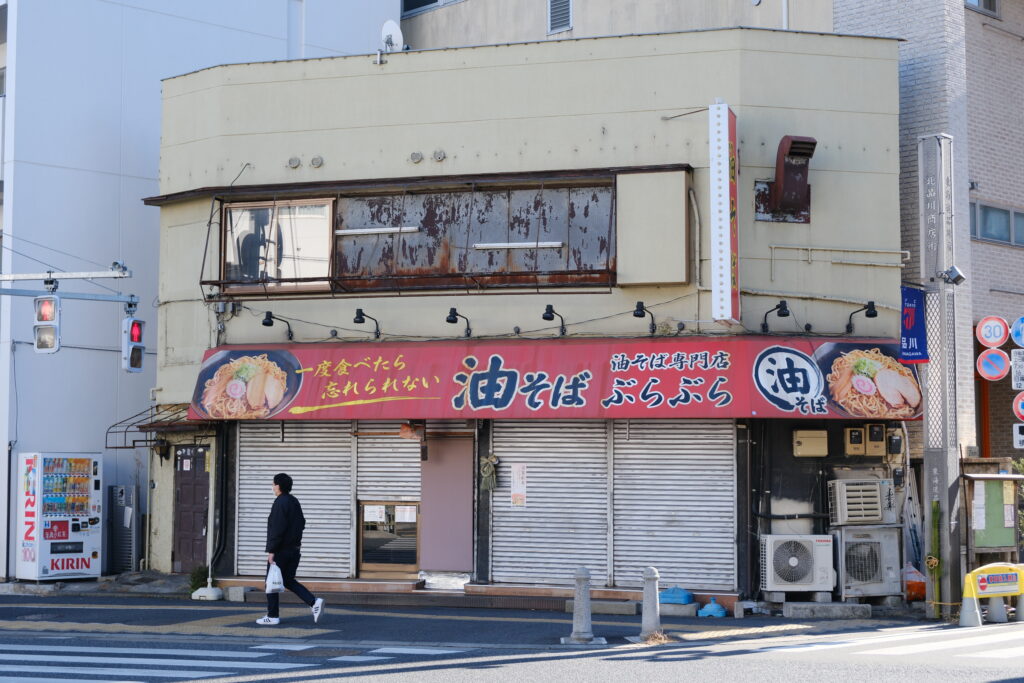
I hope some of these Japan travel tips help you travel and enjoy Japan more fully. If you have your own tips, share them in the comments. I’m always learning, and I’d love to add them here.
Follow me on Instagram @KultureKween for more recent updates.

[…] Read more: Not So Essential Japan Travel Tips for First Time and Returning Visitors […]
[…] I started the #30DaysofJapan series: My Matcha Pilgrimage to Uji Japan’s Matcha Capital 🖋️ Not So Essential Japan Travel Tips for First Time and Returning Visitors 🖋️ Shibuya Ramen Crawl Worth the Food Coma 🖋️ Onsen Tips from Someone Slightly Obsessed […]
Great tips , I wonder who showed you the QR code option.
And secondly I’m more of a Lawson guy 😎
Fafa did 🙂 Iya we know you are a Lawson boy…
[…] aside from not buying tickets from unsolicited websites. But if you insist, here are some train travel tips in Europe. Maximum fun is NOT […]